Featured

Tutto Giappone – appunti di viaggio

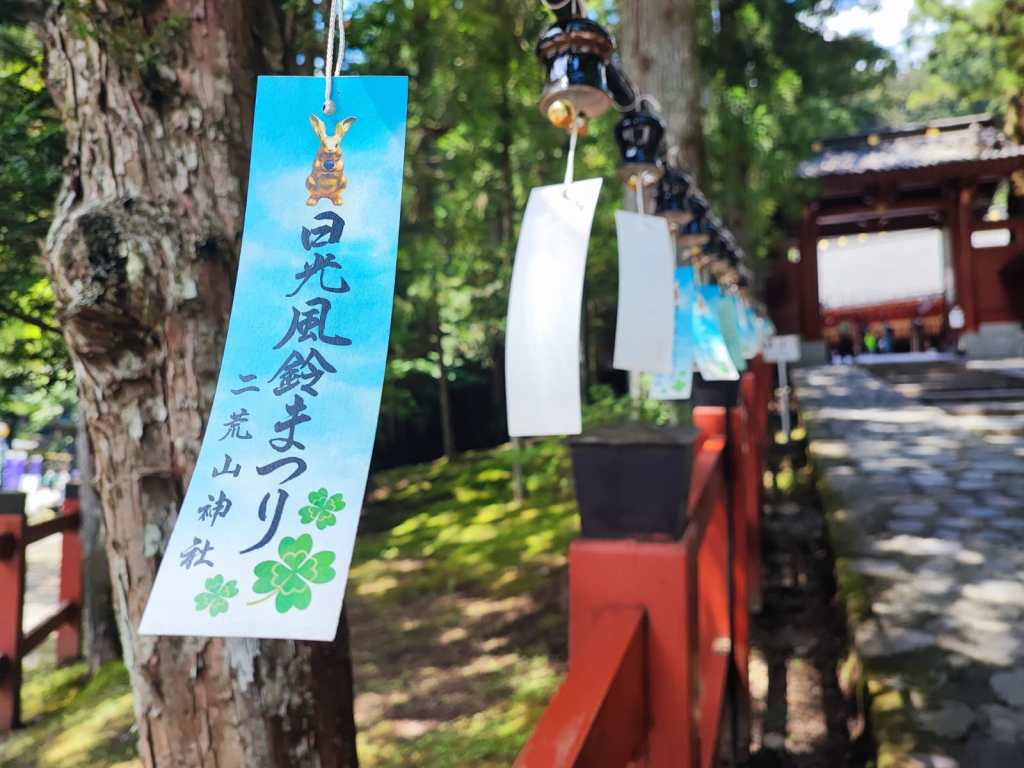
Konnichiwa amici ed amiche! Il tempo vola e dal Giappone sono ritornata già da 30 giorni, e, forse perché veramente ero super impegnata, forse perché temevo il momento di iniziare a rielaborare quanto visto ed esperito nel Nihon, ho rimandato sinora la scrittura del mio resoconto di viaggio nel paese del Sol Levante. Il Giappone ha sempre esercitato un grande fascino su di me, ma non solo: anche timore e riverenza, curiosità e ammirazione. Dopo tanta Asia a dir il vero ero più proiettata verso altre mete, ma ormai il viaggio era stato prenotato, e così, dopo una prima esperienza con Avventure nel Mondo in Marocco https://wordpress.com/post/wandergirltravell.wordpress.com/341  nel giugno 2022, 23 giorni di questo agosto li ho passati in Japan con un gruppo nuovo e una nuova consapevolezza. Non so bene da dove partire, dato che le cose da dire sono davvero tante, ma partiamo così: durante le tre settimane di viaggio ho tenuto un diario in cui annotavo pensieri, sensazioni, osservazioni, episodi degni di nota, un piccolo glossario di parole utili, i timbri delle stazioni, qualche foglia essiccata, adesivi stravaganti e un paio di miei tentativi di disegni. Ora, attingendo al materiale del suddetto diario, alla guida Lonely Planet, ai miei preziosi ricordi e alle fotografie scattate laggiù, partiamo con il racconto.

Il nome del viaggio di Avventure è Tutto Giappone. Il nostro itinerario è stato: Tokyo, Kamakura, Nikko, Hakone, Hiroshima, Myajima, Kanazawa, Takayama, Kurashiki, Shirikawa-go, Okayama, Himeji, Naoshima, Osaka, Koyasan, Nara, Kyoto e Tokyo di nuovo.

Ecco l’elenco delle cose strane del Giappone che ho segnato sul mio diario:

  • Arigato gozaimas, grazie mille, è una specie di mantra. Tutti ringraziano tutti in continuazione, spesso non si sa bene per cosa.
  • Non ci sono pattumi per strada. Ci tengono molto a fare la differenziata una volta arrivati a casa, inoltre i bidoni dei rifiuti sono stati usati nel passato per nascondere bombe. Nonostante questa mancanza non si trova una briciola di sporco in giro neanche a cercarla in lungo e in largo. Non ho mai visto una lattina vuota né un torsolo di mela per terra. Il Giappone è veramente pulitissimo.
  • La frutta è costosa. Un melone può costare 50 euro, una pesca 5, un rametto d’uva 30. Per via di condizioni climatiche particolari il Giappone non è una terra adatta alla coltivazione degli alberi da frutta. Gli unici frutti un po’ più accessibile sono le banane, un euro l’una. La frutta non fa parte della dieta dei giapponesi, che pur hanno un’alimentazione sanissima, tanto da averci fatti dimagrire tutti di almeno 3 kili nei 23 giorni nel paese.
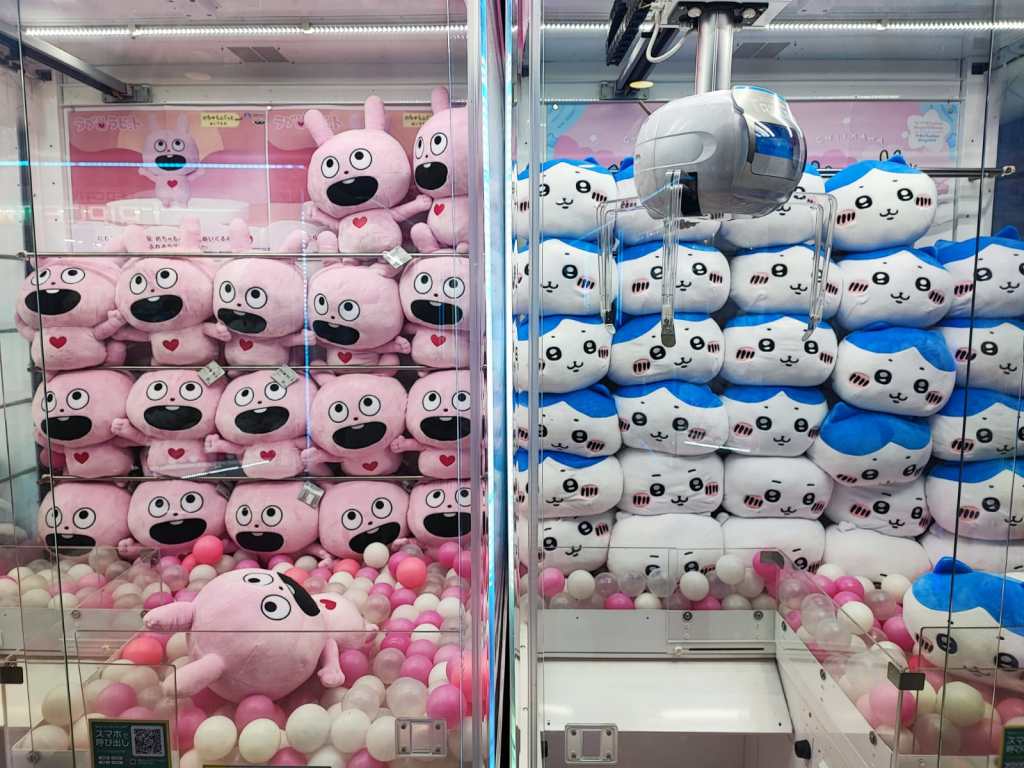
  • Il resto del cibo non è caro come ci si immagina. Costa molto di più andare a mangiare giapponese in un ristorante in Italia che in Giappone. In Italia una cena all’all you can eat costa 35 euro, in Giappone 20. Il sashimi, ovvero il carpaccio di pesce crudo, te lo tirano dietro, i ghyoza, i deliziosi ravioli al vapore ripieni di carne, verdure o gamberetti, costano una stupidaggine, un ciotolone di ramen bollente 10 euro. Ho speso di più nei supermercati, dove mi compravo tante insalate con verdure e tonno o pollo e sacchettini di carote, patate dolci e zucca fatti a mo’ di patatine, ma sane, o pesciolini essiccati con mandorle. Nei localini per strada mangi anche con 5/10 euro, nei ristoranti con 10/20 euro. Il Giappone, insomma, non è caro, a meno che, ovviamente, non si vada nei locali più in di Tokyo dove i prezzi salgono alle stelle.
  • Un euro equivale a 150 yen circa, di conseguenza 10 euro sono 1500 yen, 20 euro 3000 yen, 50 euro 7000 yen e via dicendo.
  • Le migliaia di giapponesi in cui ti imbatti la mattina in metro sono tutti vestiti uguali, camicia bianca e pantalone lungo nero, sembrano tante sardine magre e serie, compatte e anonime, che, diligentemente, si recano al lavoro senza mai lasciar trapelare un’emozione. Quasi indistinguibili, intercambiabili, ti sembrano tante repliche identiche di un modello originario. Un po’ ti mette a disagio essere circondato da tanto anonimato, da tanti piccoli ed efficientissimi robottini, mentre tu ridi sguaiata e piangi di continuo, mentre i tuoi vestiti sono di tutti i colori dell’arcobaleno e spicchi in mezzo a quella folla anonima come un tulipano in una landa desolata.
  • Non tutti i giapponesi si vestono di bianco e nero. Quelli di prima sono i salarymen, quelli che anche Tiziano Terzani nel suo In Asia definisce come i lavoratori salariati che obbediscono, la forza motrice del Giappone, quegli stacanovisti che dalla mattina alla sera producono e fatturano, poi la sera vanno al ristorante coi colleghi e parlano di lavoro anche lì, si fanno un’ora e mezza di strada, se va bene, per tornare a casa, salutano la moglie con un cenno e crollano sul letto distrutti, e il giorno dopo, e quello dopo ancora, ripetono tutto in loop, ancora e ancora, senza variazioni sul tema. Senza spiragli di libertà o originalità, in un paese dove la collettività viene sempre prima dell’individuo, dove le ambizioni personali sono soffocate in nome del bene collettivo, dove sin dalla nascita il piccolo giapponese deve affrontare sfide ed esami sempre più ostici, dove persino per entrare nell’asilo di quelli che un giorno dirigeranno il paese, il piccolo giapponese di 4 anni deve studiare e dimostrare di essere all’altezza, e dopodiché, è tutto un effetto domino, perché tutto si decide in partenza.
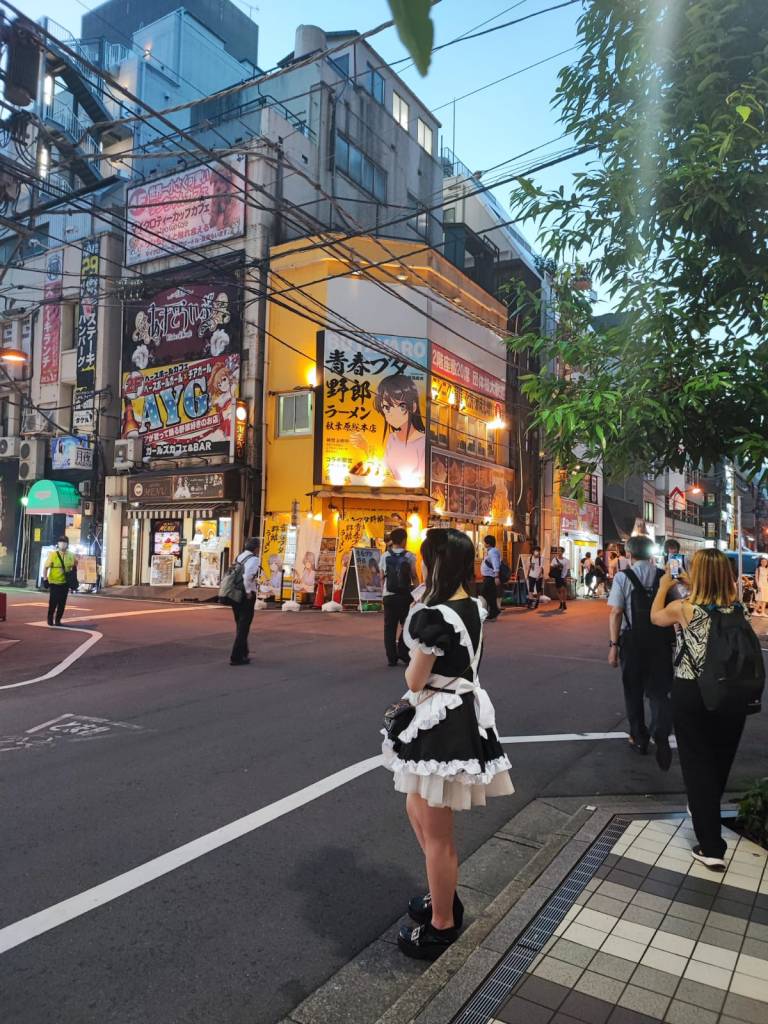
  • Dicevo, non tutti i giapponesi si vestono di bianco e nero e camminano a testa bassa o siedono con le mani giunte sul grembo. No, ci sono anche i giapponesi modaioli, quelli degli eccessi e delle stravaganze, quelli che si ispirano ai personaggi anime e manga della loro potente cultura artistica, quelli che seguono le mode del k-pop, del kuwaii, delle lolita e le maid in miniatura, i giapponesi otaku, appassionati di manga, che vanno in giro per il celebre quartiere di Akihabara su altissimi scarponi neri, con trucco pesante, capelli multicolore e abiti all’ultima moda.
  • Tutto è piccolo, tutto è stretto. I locali sono minuscoli, tanto da rendere impossibile trovare delle tavolate da più di 4 persone o dei bagni negli hotel più grandi di quelli degli aeroplani. I giapponesi stessi sono piccoli e stretti: nessuno infatti è sovrappeso, sono anzi tutti magri. Le ragazze sono piccole anche di statura, con visi di porcellana che le fanno sembrare delle bambine di 10 anni anche a 25.
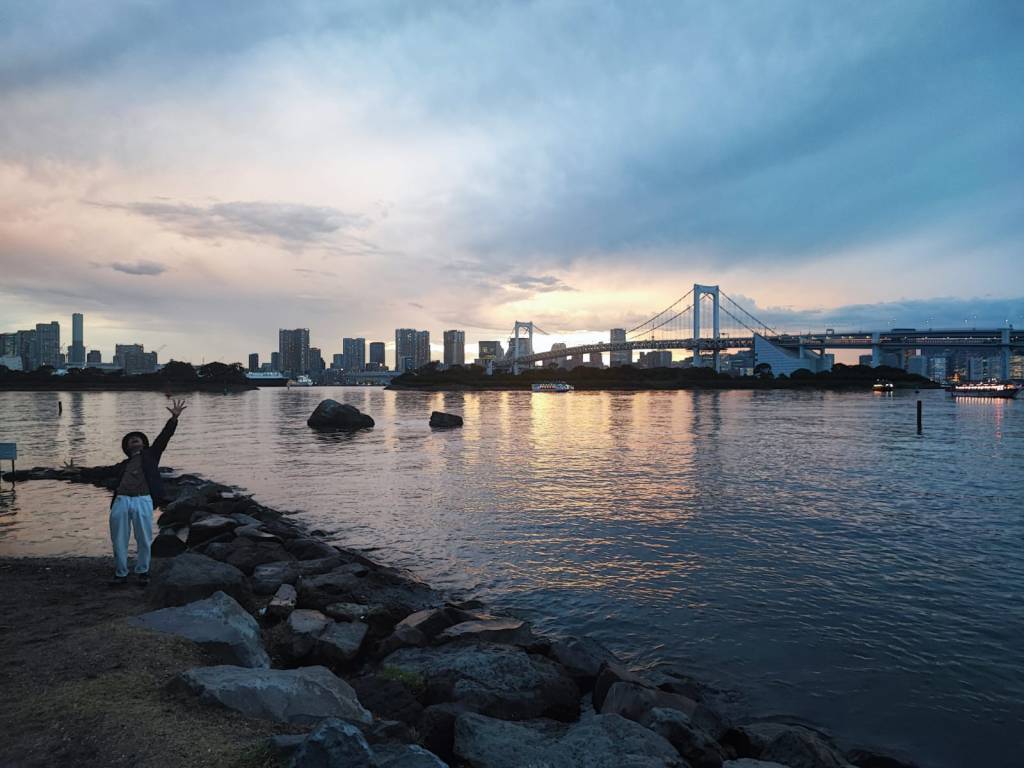
  • Il water è all’avanguardia. In Giappone infatti il water ha sempre delle funzionalità aggiuntive rispetto a quelle cui siamo abituati, ovvero il solo e unico pulsante per tirare l’acqua. Il water giapponese infatti ha tanti pulsanti, a volte tantissimi, spesso così tanti che per 30 secondi di pipì, dopo ti ci vogliono 10 minuti per decifrare la legenda che spiega le varie funzionalità di tutti quei pulsanti: c’è infatti il pulsante per fare il bidet dietro, quello per il davanti, quello per aumentare l’intensità del getto, quello per diminuirla, quello per emettere suoni e musiche che camuffino i tuoi rumori e darti la meritata privacy di cui necessiti, quello per cospargere il bagno di profumi, quello per regolare la temperatura dell’acqua, quello per fermarne il getto, etc etc. Però, nonostante questa ingegnosità per rendere la sempre imbarazzante esperienza del dover fare i propri bisogni con della gente che aspetta davanti alla tua porta, si sono dimenticati di aggiungere quella goccia di sapone all’acqua che avrebbe reso il tutto ancora più soddisfacente.
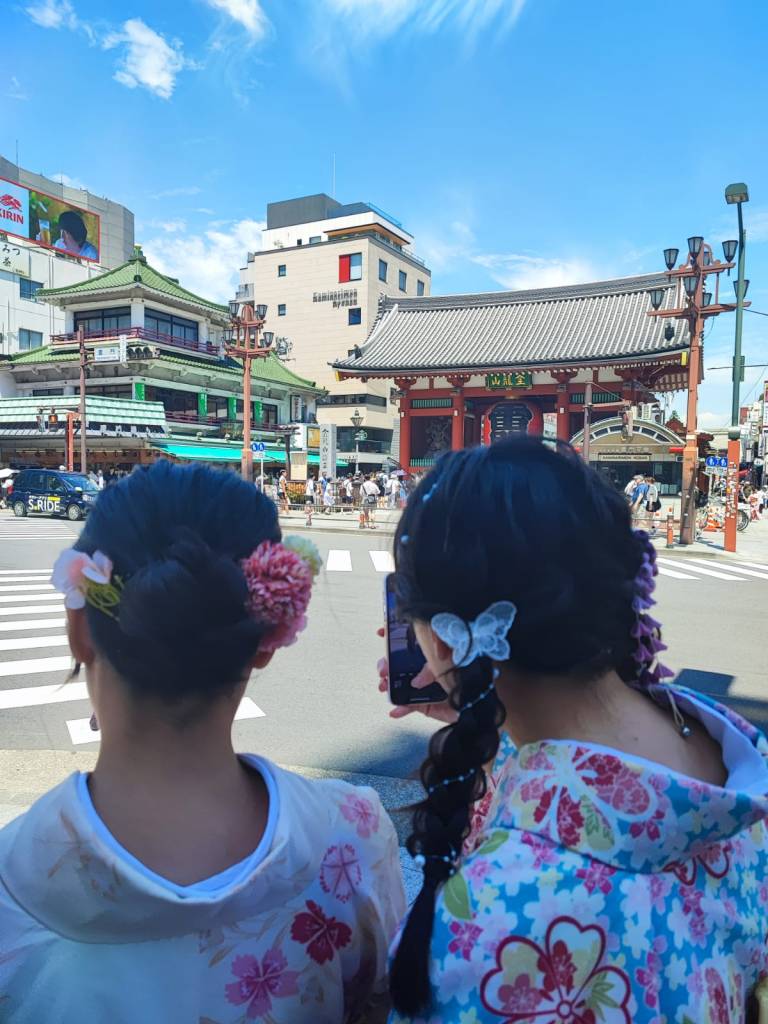
  • I mezzi di trasporto sono efficientissimi e, di conseguenza, costosissimi. Per 3 settimane di abbonamento ai treni shinkansen, quelli ad alta velocità, dovendo però escludere tutti i biglietti per la metro e gli autobus, abbiamo speso l’equivalente in yen di 400 euro a testa.
  • Agosto è il mese più caldo dell’anno, non andateci. L’umidità sfiora il 100%, le temperature oscillano durante il giorno tra i 35 e i 42 gradi, e la sera poco meno. Andare in giro senza ombrello, cappello, occhiali da sole, crema solare e tanta acqua con sali minerali sciolti dentro è impensabile, specialmente se si sta facendo un tour de force come il nostro, per cui si camminava senza sosta dalla mattina presto alla sera tardi, percorrendo lunghe distanze e tante scalinate spesso dovendo anche schivare la massa di altri turisti sudati fradici come te. È un bagno di sudore continuo, la pelle fa irritazione con qualunque materiale, i capelli sono sempre appiccicati al viso, le gambe doloranti e gonfie. Evitate il mese di agosto, dunque. Tra l’altro, gli alberi (soprattutto i famosi sakura, i ciliegi), non sono in fiore come in primavera, le foglie non creano quell’atmosfera magica che solo l’autunno, con i suoi arancioni e i rossi, dà, un candido manto di neve non avvolge le città e le montagne come in inverno. Insomma, l’estate è sempre bella, e solitamente per noi italiani è anche la stagione in cui ci si può prendere le ferie, però, se potete, evitate di andare in Giappone quando ci sono 42 gradi all’ombra e neppure una possibilità di vedere gli iconici ciliegi in fiore accanto ai templi buddhisti.
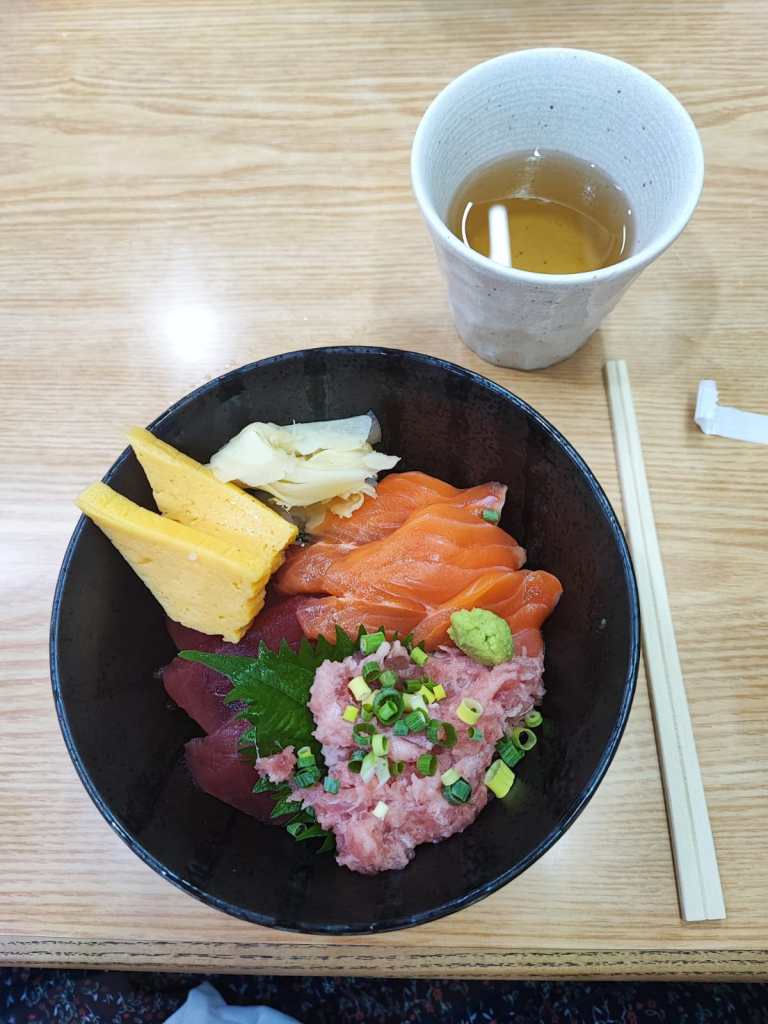
  • Il fuso orario è di 8 ore in più quando in Italia non è in vigore l’ora legale, nel qual caso le ore diminuiscono a 7.
  • I giapponesi, in linea di massima, sono gentili, educati, rispettosi, silenziosi, riservati, introversi, civili, logici, razionali, efficienti, obbedienti. Ovviamente non si può generalizzare e affermare che tutti i giapponesi sono così, però è anche vero che la cultura giapponese tende a forgiare piccoli giapponesi di tale mite temperamento, così come in Italia siamo, solitamente, gente alla mano, intraprendente, legata alle proprie radici, accoglienti, furbi, caciaroni e via dicendo. Sì, potete anche definirli luoghi comuni, stereotipi, se volete, ma i luoghi comuni hanno un fondo di verità. E così è. I giapponesi non esprimono sentimenti, emozioni, o almeno, nelle mie 3 settimane nel paese, la sola e unica volta che ho visto un giapponese sorridere, era ubriaco fradicio. Sono talmente riservati che sui mezzi pubblici, sono soliti coprire la copertina del libro che stanno leggendo con un’ulteriore copertina unicolor che copra il titolo della loro opera, perché far sapere agli altri che cosa stanno leggendo vorrebbe dire esporsi pericolosamente al giudizio altrui, ma anche, più semplicemente, infrangere la loro stessa privacy.
  • I giapponesi sono anche anaffettivi. Tra le popolazioni più anaffettive al mondo, invero. Sembrano automi apatici: non trapela mai un’emozione dai loro volti, sembra che niente possa turbarli. Leggevo di recente uno studio che spiegava difatti che la maggior parte delle coppie sposate in Giappone consuma il matrimonio la prima notte di notte, dopodiché più niente di niente, spesso neppure un innocuo bacio. Non ho mai visto nessuno tenersi per mano, nessuna dolce coppietta innamorata, né vecchietti che si vogliono bene, né migliori amiche, né genitori con figlioletti. In Giappone non ci si tocca. Non ci si dà la mano quando ci si vede, non ci si abbraccia, e men che meno ci si bacia. In Giappone ci si fa una riverenza, un leggero inchino che ti dice: “salve a te amico/collega/parente, ti porgo i miei più cordiali saluti. Sono felice di rivederti ma non così tanto da voler avere un contatto diretto con i tuoi microbi, arigato gozaimasssss.”
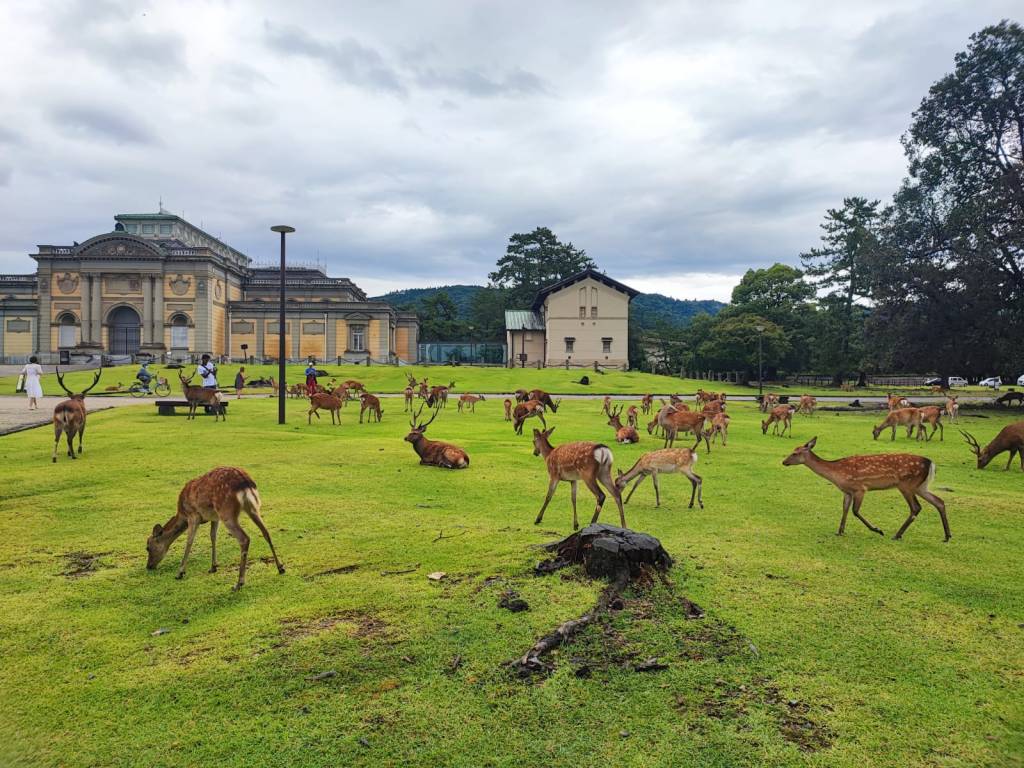
  • Negli onsen, i bagni termali che spuntano ad ogni angolo di città, cittadine e paesini sperduti, è severamente vietato l’ingresso alle persone tatuate. Neppure un piccolo tatuaggio è consentito, pena dover restare fuori ad aspettare gli amici dalla pelle vergine che si rilassano tra vapori, saune, idromassaggi, scrub al sale e thé matcha. E non vale mettere cerotti, correttori o bende, se hai un tatuaggio, non puoi entrare. Categorico. Il motivo di tanto rigore? Perché in Giappone i tatuaggi sono da sempre strettamente legati alla yakuza, la mafia nipponica. E a nulla serve cercare di spiegare che ormai la stragrande maggioranza della popolazione mondiale se si fa un tatuaggio è più per moda o motivazioni estetiche e personali che per dimostrare un’affiliazione mafiosa. Mi hanno detto, però, che ci sono anche degli onsen destinati proprio ai turisti e meno tradizionalisti, e quindi, pronti ad accogliere anche gli sfortunati tatuati.
  • Nessuno parla inglese. Il Giappone è un paese vivibile, tra i più sicuri al mondo, pieno di attrattive e opportunità per tutti. Sono un popolo bello, sano, elegante ed interessante, però anche gelido nei rapporti interpersonali, sono chiusi allo straniero e inoltre, appunto, nessuno parla inglese. Si pensi che fino a pochi decenni fa o stato vietava l’insegnamento delle lingue straniere, e, fino a 3 anni fa, ai tempi delle Olimpiadi di Tokyo, i cartelli e le insegne stradali erano tutti in giapponese. Comunicare con la gente del posto è dunque quasi impossibile. Bisogna armarsi di Google Lens, un frasario e tanta pazienza.
  • Con l’aria condizionata, in Giappone, non si scherza. Si passa dai 40 gradi dell’esterno ai 10 di ristoranti, negozi, treni, uffici. La temperatura al chiuso è così bassa da farti ammalare già al secondo giorno, per cui una sciarpa e una giacchetta sono indispensabili nello zaino anche se quando esci dall’hotel hai già tutto il trucco sciolto dal sudore causato dal caldo.
  • L’estetica ti colpisce ovunque. A differenza di altri paesi asiatici dell’Estremo Oriente in cui sono stata (Cina, Thailandia, Vietnam, Cambogia, India), in Giappone tutto è perfetto, spesso troppo perfetto: le strade, appunto, sono immacolate; le persone sono tutte eleganti nei loro impeccabili completi da lavoro, i negozi sono tutti all’ultimo grido, le bacchette inamidate e rifilate in oro, il thè è servito senza neppure un’ombra di schizzi sulla tazza, la stessa andatura delle persone sembra seguire un percorso prestabilito, passetti piccoli piccoli, ma velocissimi, tranne quelli delle geishe, o delle finte geishe, che, con calzini e pesanti infradito di legno, procedono piano piano, senza fretta. I volti sono perfetti, mai un viso foruncoloso o una pancia troppo gonfia, mai un seno troppo scoperto o una gamba troppo pelosa. La loro pelle non è scura come quella dei vietnamiti o dei cambogiani, i lineamenti sono delicati quanto i capelli sempre lisci come spaghetti. La ragazza giapponese ha la fisicità di una bambina, senza curve, senza grasso, senza peli.
  • Quando il semaforo diventa verde parte una musichetta che ti risveglia dai tuoi pensieri e ti fa notare che ora puoi attraversare. Anche nelle stazioni c’è sempre una musichetta allegra di sottofondo, forse per cercare di rilassare le persone, forse per ridare il buonumore ai cupi e far rimandare di un altro po’ chi si era recato in stazione con l’intento di finirla lì e, di conseguenza, causare ritardi all’impeccabile servizio dei trasporti pubblici giapponesi.
  • È un popolo a sé, diverso da tutti gli altri. Nessuno assomiglia ai giapponesi, eppure loro assomigliano a tutti. Dopo secoli di isolazionismo si sono aperti all’occidente e hanno copiato e ingurgitato ogni moda possibile, pur restando, nonostante ciò, sempre inevitabilmente distanti dalle altre culture.
  • Il cibo è squisito, oltre che sanissimo. Ti preparano il tofu in 1000 varianti diverse: tofu stufato, tofu grigliato, tofu al naturale, tofu con salsa di arachidi, zuppa di tofu, tofu snack etc etc. I prezzi inoltre sono ottimi.
  • Sulla metro sono tutti stra silenziosi, ciascuno con gli occhi fissi sul proprio telefono o persi difronte a sé. Se anche ti accanisci a fissare un giapponese, questo non si degnerà mai di rivolgerti neppure una fugace occhiata, bensì continuerà a fissare il suo telefono o il vuoto dinanzi a sé.
  • Le distanze sono lunghe. Non sembra, ma il Giappone è un paese dall’estensione territoriale davvero notevole. Basti pensare che la punta più settentrionale ha la stessa longitudine del Canada e quella più meridionale di Cuba. Con lo shinkansen in due ore sei da una parte all’altra del paese senza rendertene conto.
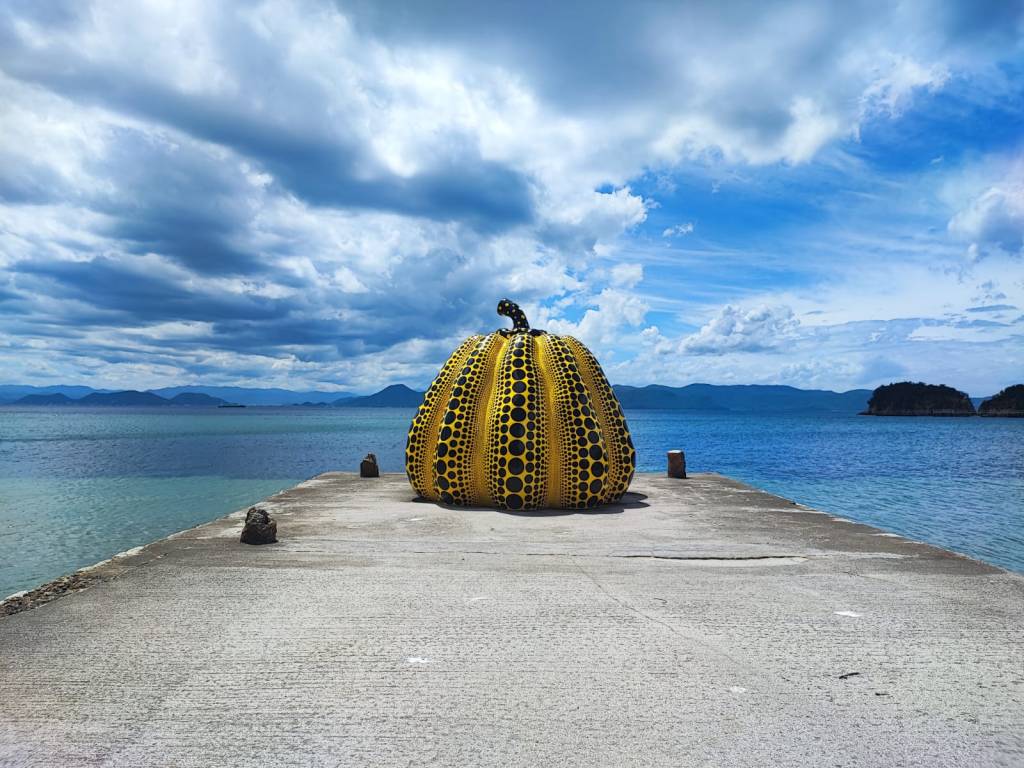
  • I meravigliosi santuari shintoisti si assomigliano tutti. Dopo averne visti 3 o 4 non vedi più le differenze.
  • Come dicevo prima, i giapponesi non ti guardano mai, e, soprattutto, non ti parlano mai. In realtà però a me due hanno parlato. Entrambi nell’arco di poche ore, nella città sacra di Koyasan: prima un signore, un professore di neurobiologia all’Università di Fukuoka, poi una signora che lavorava nel monastero in cui alloggiavo. Il primo mi ha rivolto la parola su una panchina, davanti a un tempio, con un inglese mooolto stentato. Mi ha chiesto di me, cosa facevo lì, dove andavo poi, che città avevo visitato, se studiavo… infine mi ha avvertita del violento tifone che sarebbe arrivato l’indomani a Nara e Kyoto, proprio le città in cui ci stavamo dirigendo. È stato estremamente gentile. Mi ha fatto vedere col suo telefonino le immagini del tifone su un sito meteorologico. I suoi parenti, seduti su una panchina più in là, ci guardavano stupiti e ridacchiavano coprendosi la bocca con eleganza. Lui ogni tanto lanciava delle occhiate preoccupate verso di loro, lo capivo che era combattuto. Da un lato, era inaudito che lui, giapponese, parlasse con una gaijin, una ragazza straniera, e di certo la disapprovazione e lo scherno dei parenti lo inibivano, dall’altro, era evidente che era la curiosità nei confronti della straniera gli dessero il coraggio di proseguire nell’educata conversazione. La signora invece era bella spigliata. Mi ha attaccato bottone nell’onsen del monastero, mentre io cercavo di restare impassibile nonostante il tremendo imbarazzo per l’essere tutta nuda in una vasca calda con una giapponese. Per fortuna almeno non c’erano altre donne come le altre volte, in cui cercavo di nascondermi con un fazzoletto di asciugamano ad ogni passo. Lei pure voleva sapere di me, chi ero, cosa facevo, perché ero lì… mi ha detto che lei è del sud, di Okinawa, ma che ora restava a Koyasan per lavorare all’accettazione del monastero per tre mesi. Che le piaceva moltissimo vivere lì e fare bagni nell’onsen tutti i giorni. Poi mi ha chiesto se ero andata alla meditazione delle 18 e le ho detto di sì, che ci ero andata ed era stato fantastico. Non le ho detto però che dopo 20 minuti mi sono addormentata e che per i restanti 40 minuti di meditazione ho cercato di trovare la posizione più comoda da seduta per dormire senza farmi notare. Dopo avermi elencato i pregi della meditazione e avermi spiegato perché lei ogni giorno della sua vita medita due volte, mi ha chiesto entusiasta se sarei andata anche l’indomani all’alba. Un po’ incerta, ho risposto di sì. Ancora non conoscevo il piacere di dormire sul futon spesso 2 centimetri di un monastero buddhista. Quella notte mi sarò svegliata 15 volte per il terribile mal di schiena e l’impossibilità di riuscire a trovare una posizione comoda per dormire, oltre al fastidio dei passi, dei bisbigli, degli scricchiolii del pavimento in legno anti ninja e del russare al di là delle porte di carta di riso e della luce che filtrava da ogni spiffero. Inutile dire che quando la mia fiduciosa sveglia è suonata alle 5.40 per prepararmi alla meravigliosa ora di pace interiore, non ce l’ho fatta e mi sono ributtata sul mio dolce tatami.
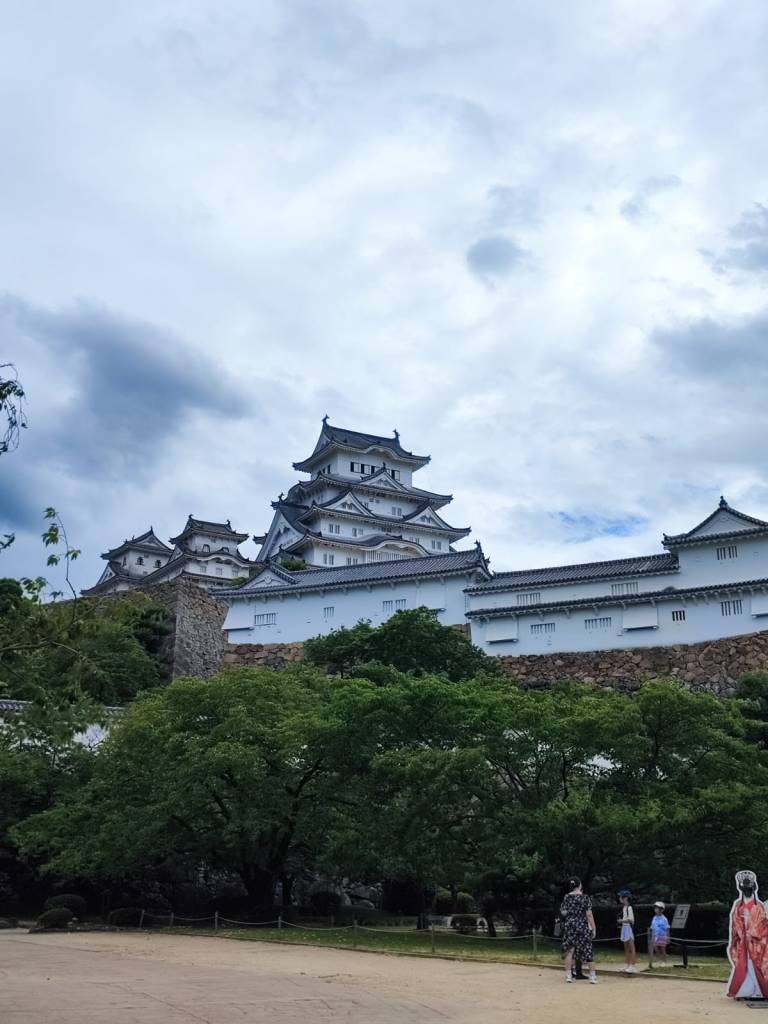
  • È meglio viaggiare leggeri, con una valigia piccola. Le stanze spesso sono così ristrette che una valigia grande non riusciresti ad aprirla se non, forse, sul lettino.
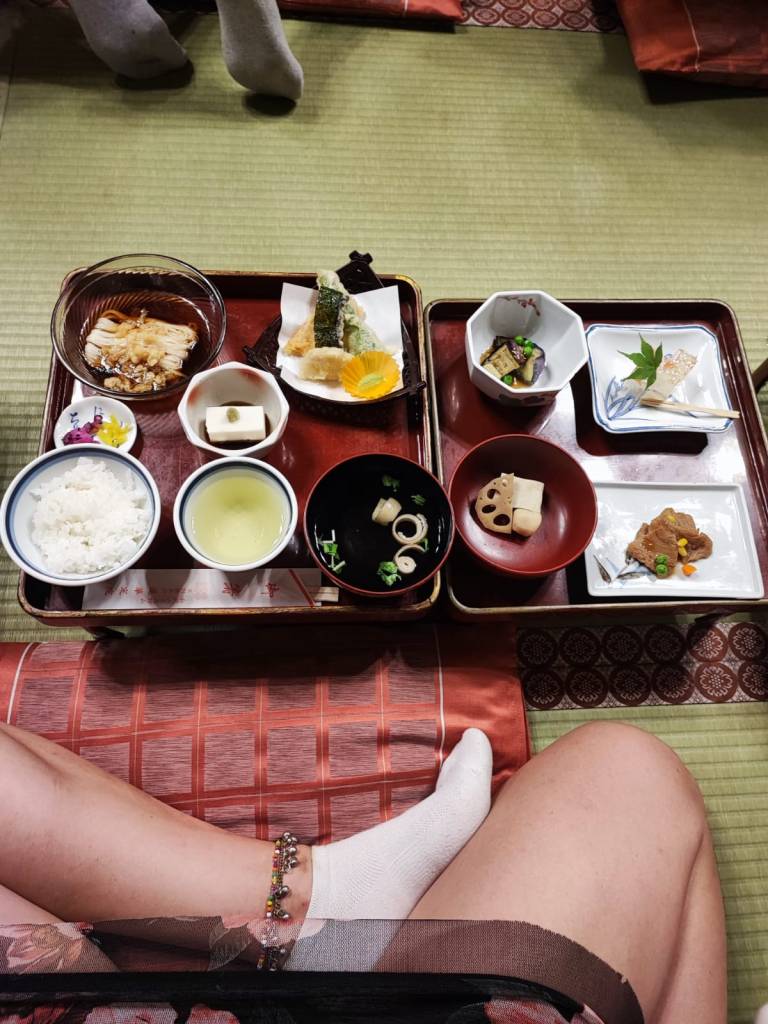
  • È pieno di distributori automatici di qualunque genere di bene. Persino i beni che non ti verrebbero mai in mente, come le mutandine usate (io però questi non li ho visti), o le 50 varianti di statuette di Hello Kitty.
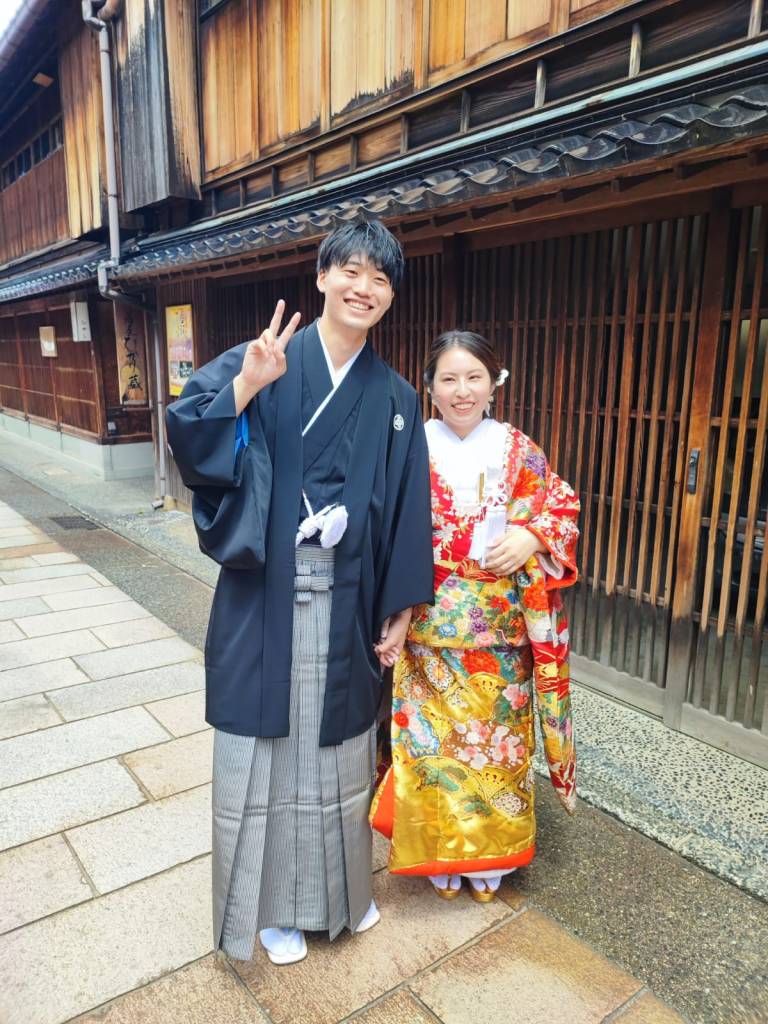
  • È pieno di pachinko, il gioco d’azzardo giapponese e gachapon, giocattolini in capsule di plastica in vendita nei distributori automatici.
  • I maneki neko, letteralmente il “gatto che chiama”, è un portafortuna giapponese che consiste in una statuetta che raffigura un gattino con una zampa alzata. In Giappone il gesto di tenere una mano su e muoverla avanti e indietro con le dita piegate non è un gesto di saluto, come potrebbe farci pensare, bensì di richiamo a sé. A seconda del colore del gatto, della lunghezza della zampa alzata, che a volte è la destra, a volte la sinistra, cambia anche il tipo di fortuna che la statuetta può portarti: ad esempio, il gattino nero tiene lontani i molestatori, quello rosso la malattia, quello oro porta benessere economico, quello verde protegge dagli incidenti stradali…
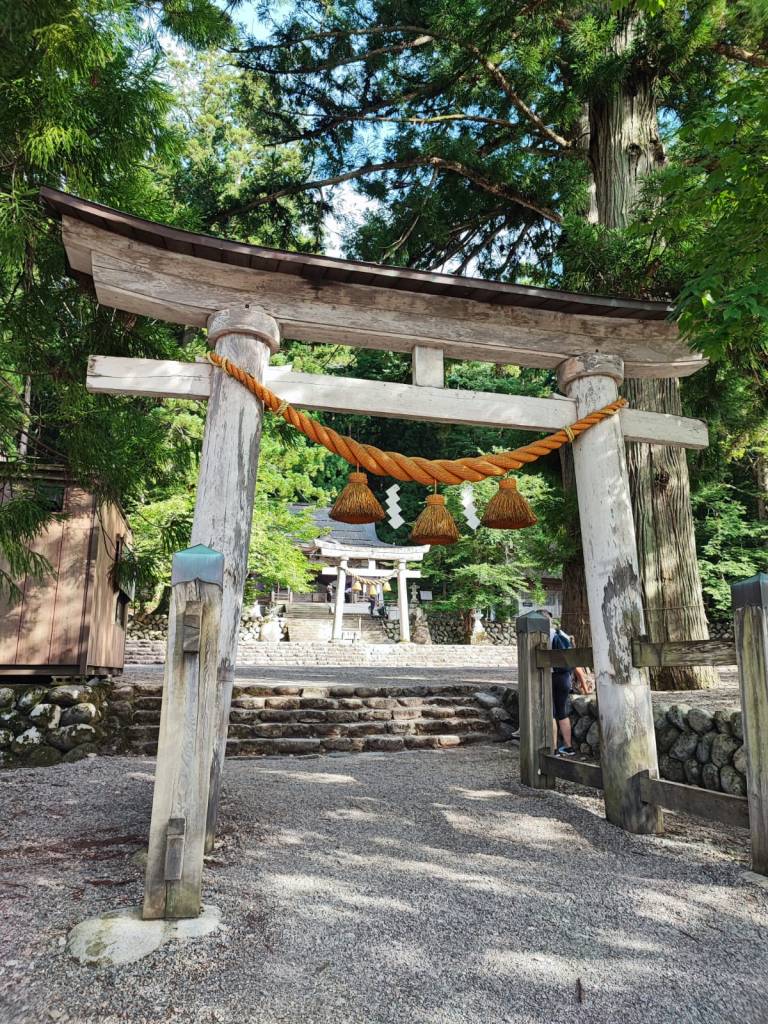
  • Sono puntuali, ma non al minuto. Uno dei tanti treni che ho preso è partito in ritardo di addirittura 4 minuti.
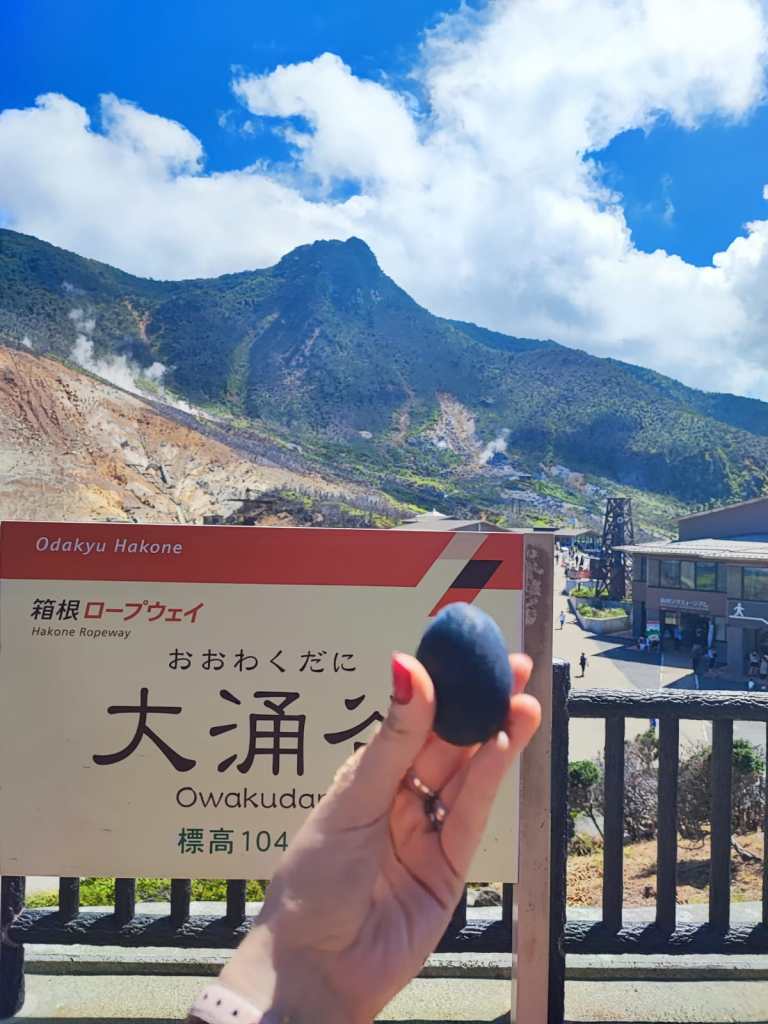
  • Una folle avventura nella valle vulcanica dell’Owakudani: saliamo sulla funivia dopo infiniti treni, metro e scarpinate. Una signora giapponese, mentre saliamo verso la vetta a bordo di una cabina della funivia, ci dice che ha sentito che a breve chiuderanno la funivia poiché dal sud del Giappone sta arrivando un thunderstorm. Le hanno detto di sbrigarsi a salire prima che chiudessero la linea. Mentre saliamo il vento si fa sempre più forte. Non facciamo in tempo ad arrivare in cima e scendere dalla cabina che salta la luce e tutto si blocca. La funivia è ferma e noi, che siamo scesi per un pelo, ci ritroviamo bloccati sul vulcano. Quelli rimasti su devono aspettare che gli addetti li tirino su a mano. Alla fine, scendono anche loro sulla terra sulfurea. L’acre odore di zolfo è fortissimo, si vedono colonne di fumo e colorazioni gialle, arancioni, verdi e nere sul terreno. Un paesaggio di rocce, foreste bruciate e fumarole ci avvolge. Assaggiamo le uova nere cotte nella cenere vulcanica, è tutto quello che offre il convento per pranzo e io non lo sento neppure il sapore di zolfo. Per fortuna prima di salire mi ero mangiata un ottimo gelato artigianale alla patata dolce e al pomodoro all’Open Air Museum. La tensione nel gruppo è alle stelle, ma io con i miei compagni di viaggio mi diverto come non mai. Ogni disavventura è un’avventura, adoro gli imprevisti, le situazioni inaspettate, le sorprese, purché non capiti niente di grave ovviamente. La funivia non riapre e le file per gli autobus che riportano a valle sono troppo lunghe, così ci incamminiamo a piedi. Ci tocca un’ora e passa di trekking sotto al sole sulla strada e per sentieri accidentati. Alla fine arriviamo distrutti, ma sani e salvi.
  • È pieno di ciotoline con oggetti e biglietti portafortuna da 100 yen (meno di un euro) dove sei tu che devi avere la coscienza di lasciare i soldi nella ciotolina affianco prima di prendere il tuo regalo.
  • La gente va in giro con dei piccoli ventilatori portatili. Sono di vari colori, spesso legati a un laccio che ti permette di appenderli al collo. Alcuni sono addirittura a forma di collare e basta appoggiarli sulla nuca senza doverli tenere in mano. Sono geniali, con quel caldo poi…
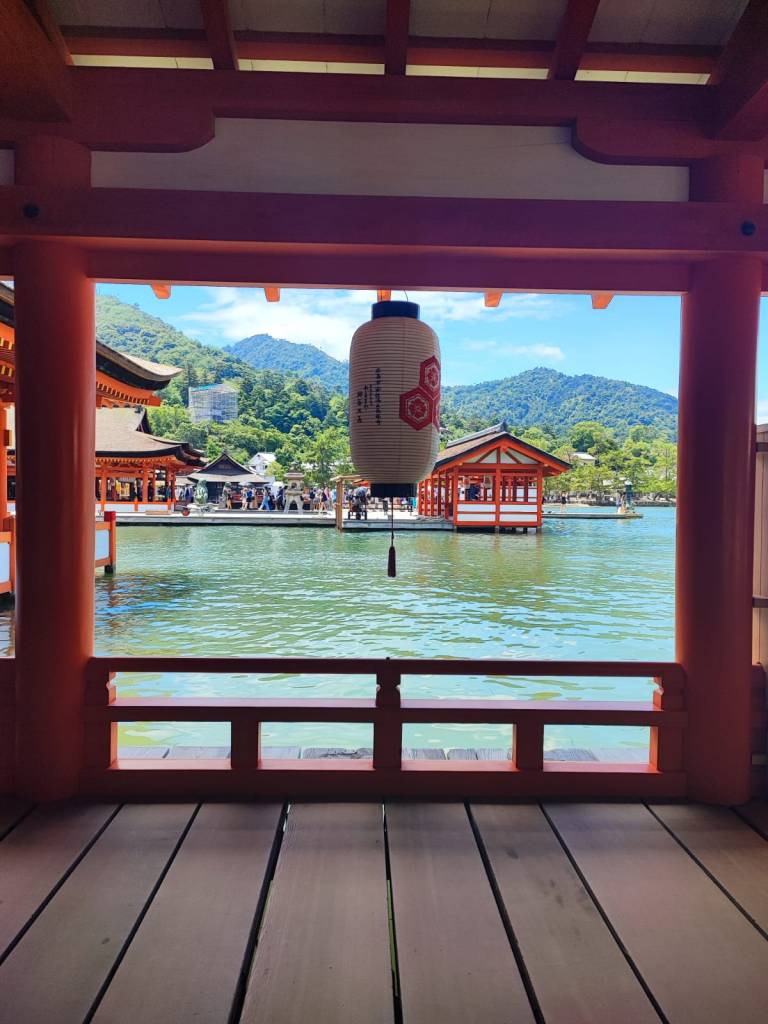
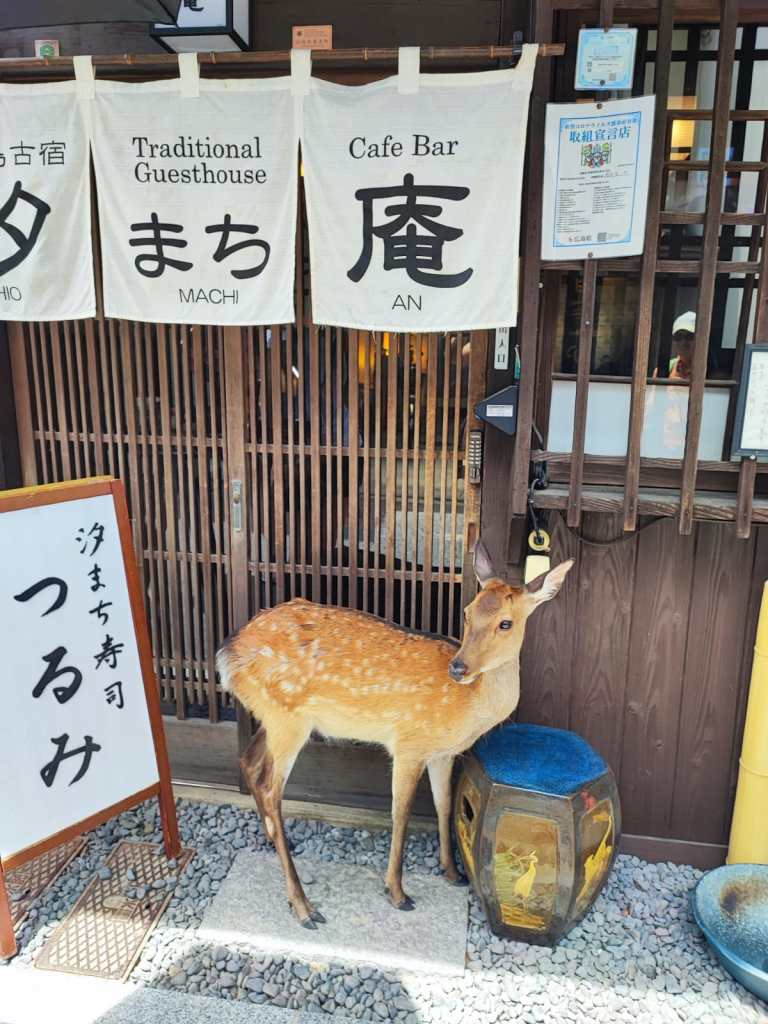
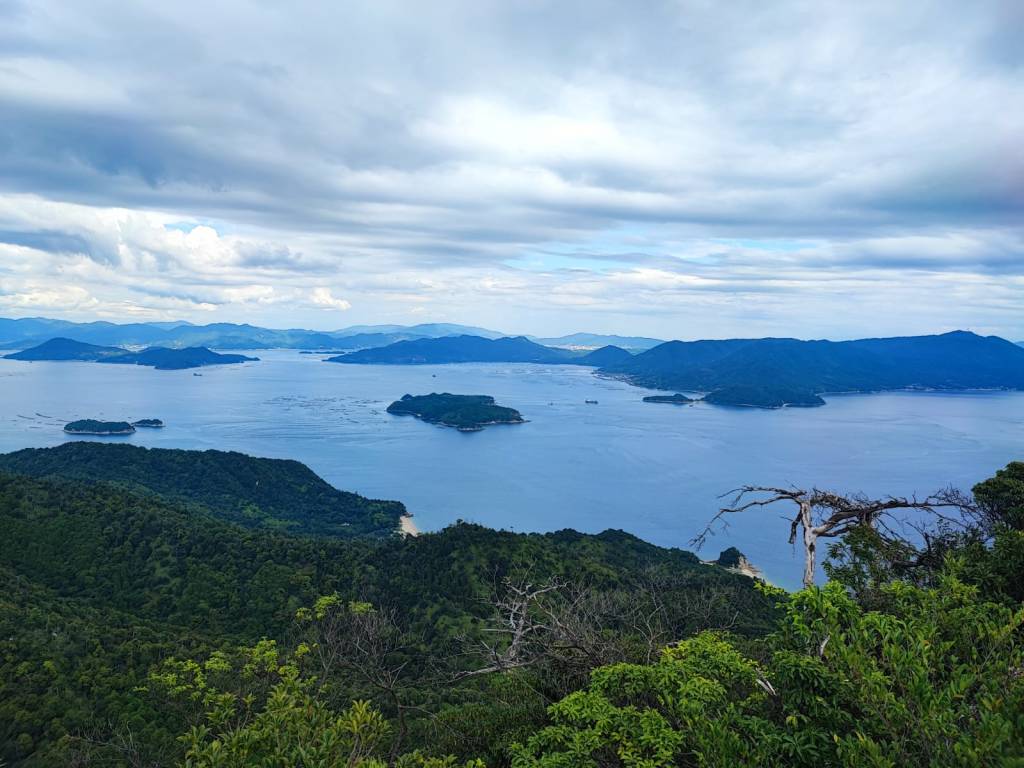
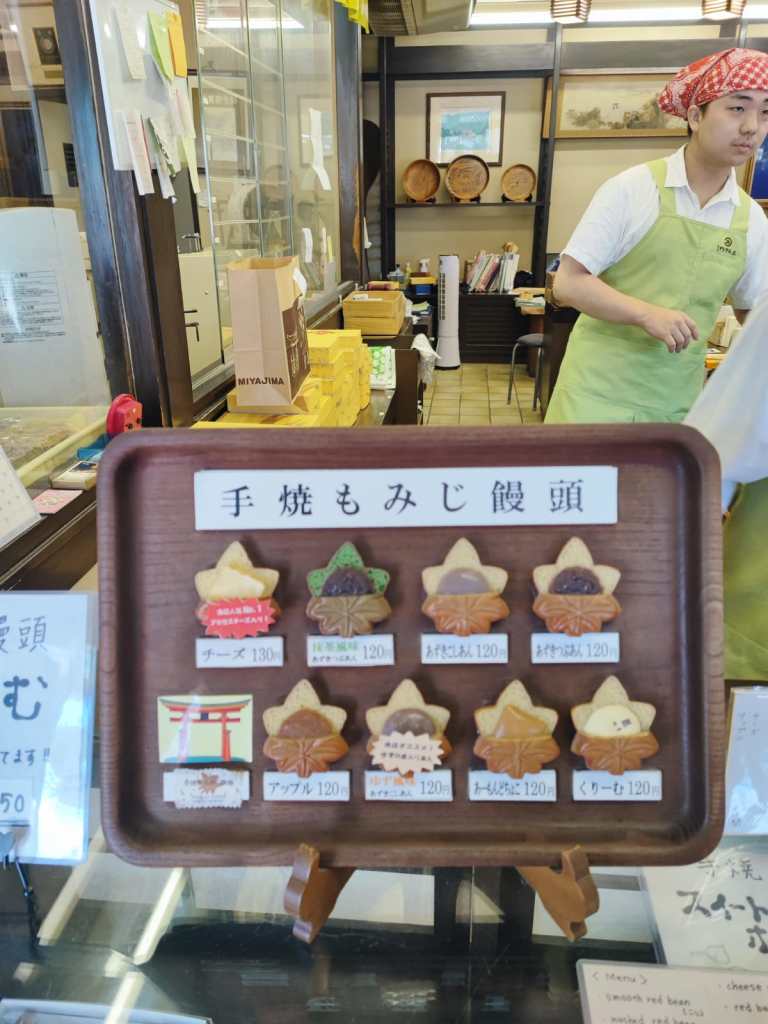
  • L’isola di Myajima è: cerbiatti che ti rubano il cibo (anche le cotolette di maiale, una ragazza li definisce “bestie di satana” per il fatto che siano così invadenti e snaturati), e si fanno accarezzare, i mochi, i deliziosi dolcetti ripieni di pasta ai fagioli rossi a forma di foglia d’acero che ci gustiamo in un negozietto sorseggiando thè matcha freddo, un maestoso torii rosso immerso nell’acqua del mare finché c’è l’alta marea, dopo il tramonto invece è immerso nella fanghiglia ma ci si può camminare sotto, santuari shintoisti immensi in mezzo alla natura, funivia che ti porta sul cucuzzolo dell’isola e ti regala una vista mozzafiato sulle miriadi di isolotti circostanti, trekking nella foresta per scendere dal cucuzzolo e rigenerante bagno nel fiume dopo la sudata della giornata, con incontro ravvicinato con un bel serpente verde smeraldo.
  • La lingua giapponese adotta 3 sistemi di scrittura: i kanji, gli hiragama e i katakama. I primi sono quelli principali, che si usano sempre, i secondi servono per indicare le particelle agglutinanti e le parti variabili di verbi e aggettivi, gli ultimi per le parole prese in prestito dalle altre lingue.
  • Le atrocità delle conseguenze della bomba atomica ad Hiroshima mi hanno sconvolta. Mi tremavano le gambe mentre visitavo il museo della pace la mattina della commemorazione, il 6 agosto. Assolutamente da visitare. Con la speranza che non accada mai più un simile abominio, bisogna ricordare quello che è successo e le migliaia di persone le cui vite sono state distrutte in un nanosecondo.
  • Sadako Sasaki aveva solo 2 anni quando la bomba atomica che devastò Hiroshima cadde sulla città. Da quel momento la sua vita fu distrutta: parte della sua famiglia morì e lei si ammalò gravemente di leucemia. Il cancro la afflisse prepotentemente. Un giorno, dopo l’ennesimo ricovero in ospedale, decise che voleva vivere, così, per propiziarsi la guarigione, ascolto la leggenda che le aveva raccontato un’amica e iniziò a creare delle gru di carta, con la certezza che se fosse riuscita a realizzarne 1000 sarebbe guarita. La gru infatti è considerato un animale sacro in Giappone: l’animale della longevità, vive oltre 100 anni. La sua cameretta d’ospedale si era riempita di bellissime ed elegantissime gru di ogni dimensione e colore, tanto da portare allegria persino in un luogo così triste. Purtroppo Sadako non riuscì a raggiungere il suo obiettivo perché la malattia si aggravò e, dopo mesi di sofferenze, morì. Gli amici e i compagni di scuola, affranti, decisero di terminare gli origami in suo onore e completarono l’impresa che Sadako aveva iniziato. La sua vicenda è rimasta impressa nelle menti delle persone e lei è passata alla storia come la bambina delle 1000 gru, diventando il simbolo dell’innocenza e della vita di fronte alle atrocità della bomba atomica.
  • Onsen a Kanazawa. Iniziale imbarazzo ma poi diventa naturale. È davvero rilassante, inoltre costa una sciocchezza! Solo 5 euro a ingresso contro i soliti 40/50 italiani.
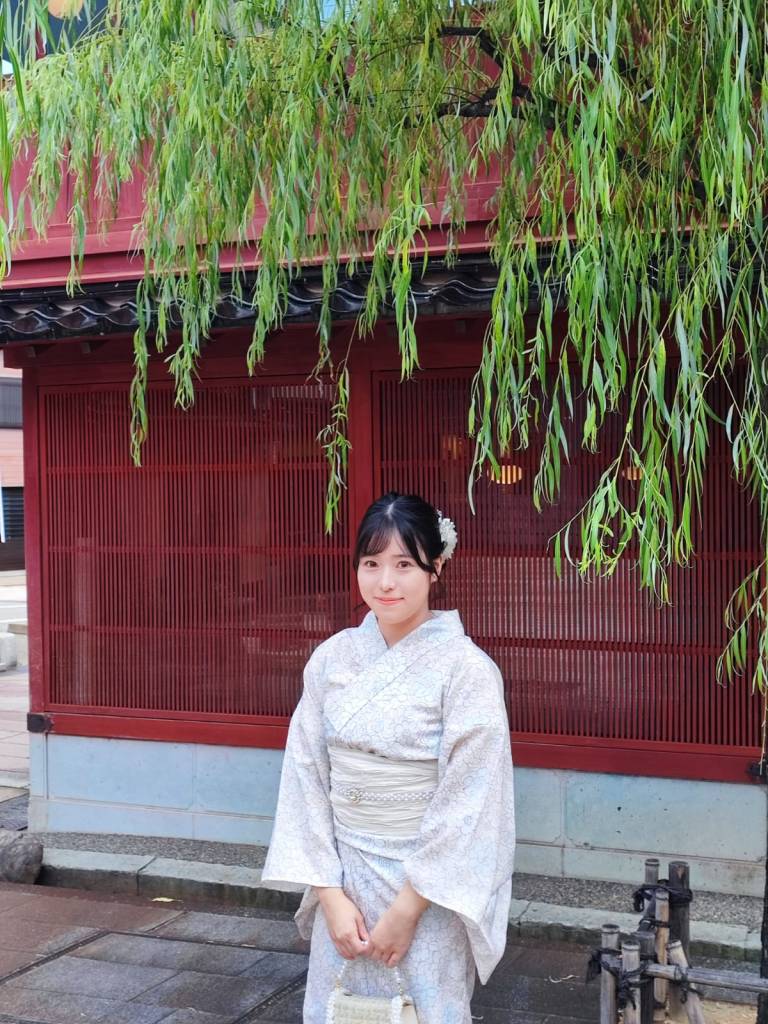
  • Non sono mai volgari le ragazze qui. Molte si vestono con kimono, ciabattine in legno e fard bianco, ma non sono vere geishe, quelle vere infatti, che ormai sono pochissime, si trovano nel quartiere Gion di Kyoto, ma purtroppo, io non ne ho viste.
  • Agosto è il mese dei tifoni. Quindi, di nuovo, evitate agosto.
  • Il villaggio di Shirikawa-go è una perla: risaie verdi splendenti, antiche casette in legno, fiori profumati, una piccola Svizzera insomma. Una boccata d’aria fresca dopo il trambusto e i grattacieli di Tokyo.
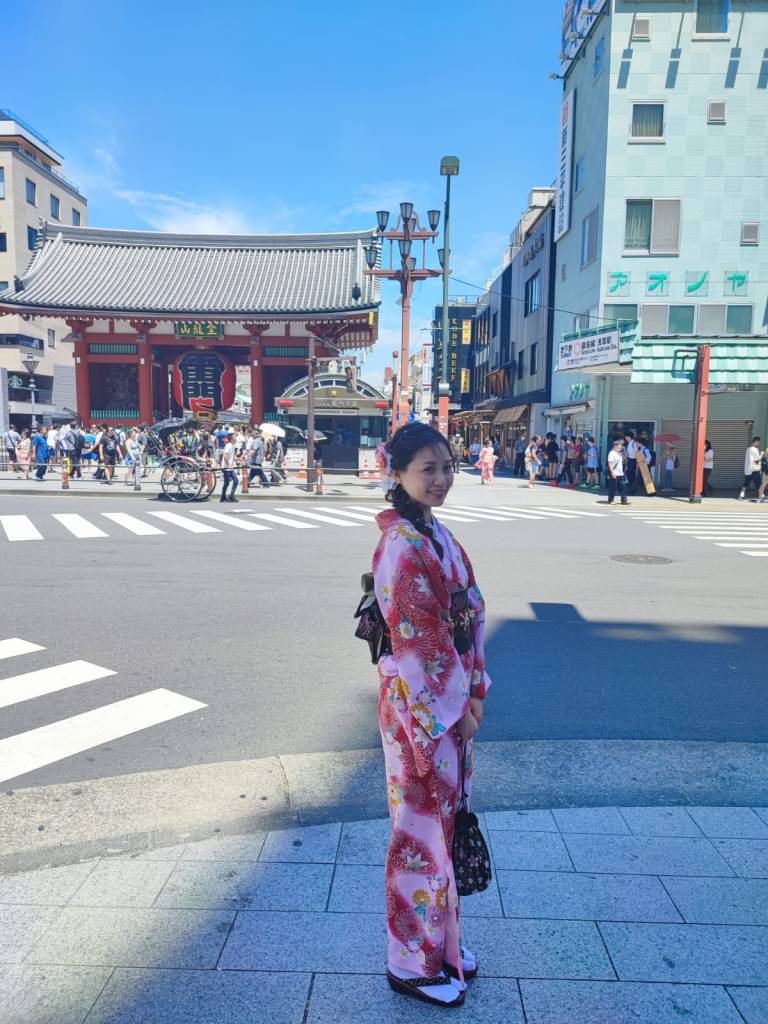
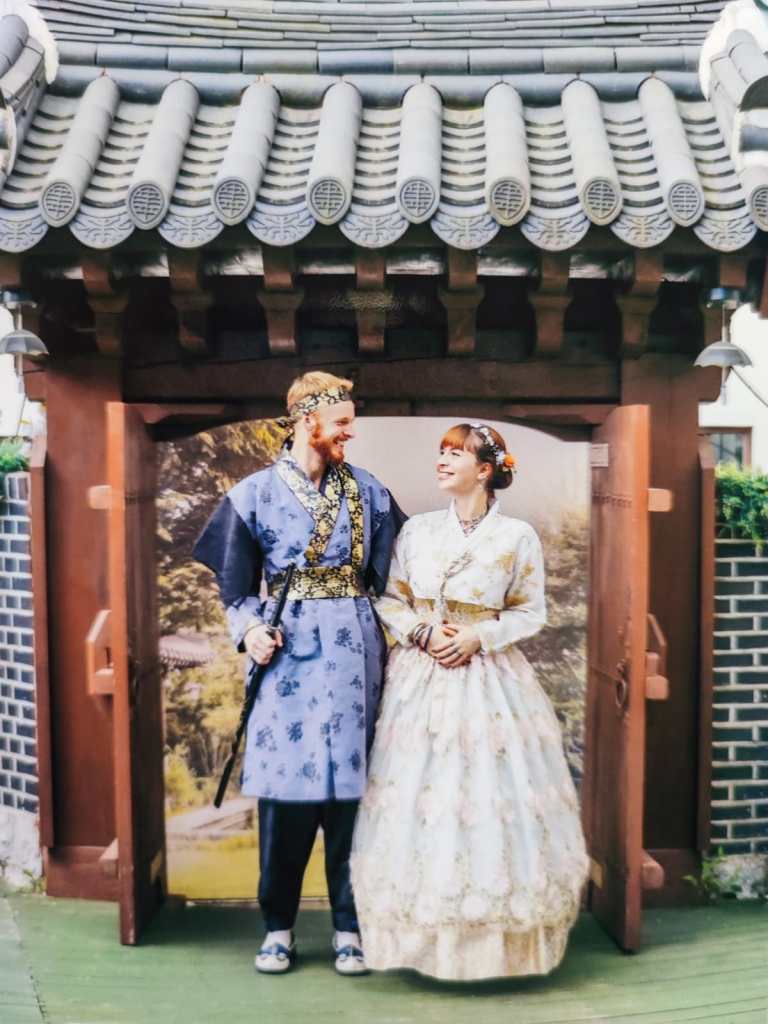
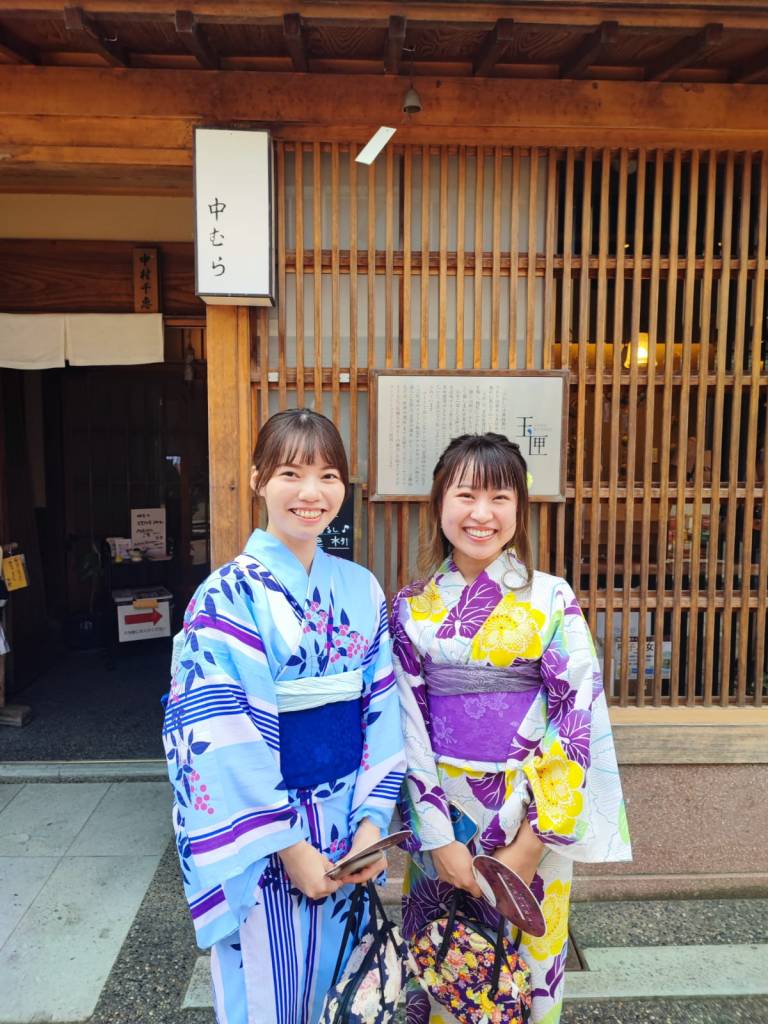
  • Gli abiti delle geishe, i kimono, sono così stretti che non ti fanno respirare. Il nostro primo giorno a Nara abbiamo mangiato a casa di una famiglia che aveva adibito la propria casa a ristorante e negozio di abbigliamento tradizionale. Così, nella lunghissima attesa dei nostri piatti, io e un paio di altre ragazze ci siamo avventurate tra i tessuti ricamati e le stampe a fiori o a gru. La figlia del padrone di casa è stata così gentile da aiutarmi ad indossare un bel kimono a fiori fucsia. Indossarlo mi ha riportato alla mente delle immagini del favoloso libro Memorie di una geisha di Arthur Golden, e un po’ mi sono sentita come loro, schiacciata in un corpetto scomodissimo per essere più bella agli occhi degli uomini. Il collo dev’essere scoperto, mi ha spiegato un’altra italiana che si intendeva di punti erotici giapponesi, i capelli raccolti, la pelle bianchissima, le labbra rossissime e i passi piccolissimi. E sia mai che, come nel libro, con uno sguardo intensissimo tu non riesca a far cadere un uomo dalla bicicletta. Magari!
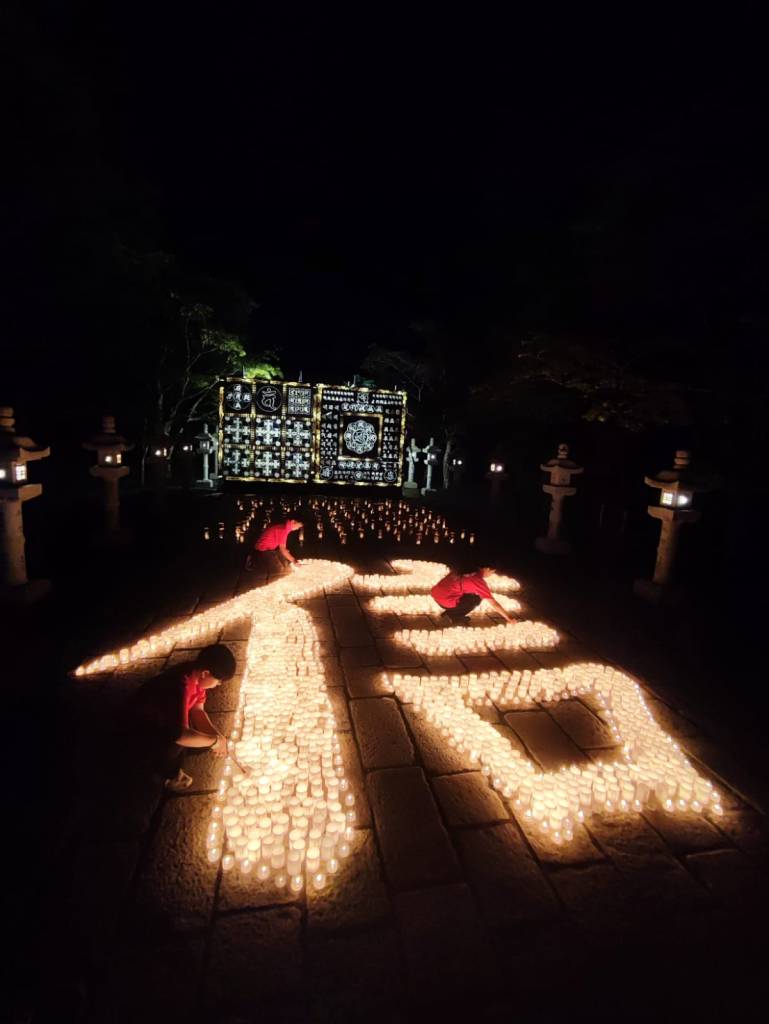
  • Il 13 agosto eravamo a Koyasan per il festival delle lanterne. È stato magico, suggestivo, emozionante. Come lo descrivo? Non si può. Avevo le farfalle nello stomaco, mi sentivo viva per davvero come raramente capita. Preghiera con i monaci, pranzo e cena parca a base di tofu, meditazione alle 18 e alle 6, onsen, doccia, templi… come in India, monaci che recitano i mantra buddhisti in loop, migliaia di candele accese ovunque, i piedi scalzi, le teste rasate, una lunga processione nel cimitero fino al tempio dove si tiene la cerimonia solenne di commemorazione dei defunti, una sorta di dia de los muertos messicano. Una preghiera e una candela per ogni defunto… Inoltre, quel giorno ho ricevuto una tristissima notizia: il mio gatto Arturo era morto. Io ero in un tempio buddista, avevo appena cosparso la mia fronte d’incenso, fatto un inchino e suonato il gong facendo una preghierina di felicità e realizzazione dei miei sogni, stavo per uscire e ho controllato le notifiche. Sono ritornata sui miei passi e ripetuto la procedura incenso, inchino, gong e preghiera. Questa volta con il pensiero rivolto al mio gattino che non c’è più. Qualche lacrima è scesa dai miei occhi, ma ancora non riuscivo a capacitarmi della cosa. Nel pomeriggio ho chiamato mio padre per capire meglio. La sera sono andata a una celebrazione di commemorazione dei defunti, era proprio quel giorno. Centinaia di candele accese ovunque. Ho lasciato una candela per lui.
  • “Ora, 14 agosto, sono seduta fuori, nel cortile del monastero in cui ho dormito stanotte. C’è una pace incredibile qui fuori. Ma a dir la verità, la pace, molto stranamente, la sento anche dentro di me. È questo luogo misterioso e magico… è il connubio tra campanellini al vento, bonsai, piatti vegani, monaci sereni, meditazione, mantra, piccoli Buddha ovunque, silenzio, lentezza, mancanza di problemi e preoccupazioni. La struttura in legno, le porte di carta di riso, gli sparuti alberelli che costellano il giardino e quelli possenti della foresta intorno, il giardino curato in ogni dettaglio, i simboli di pace disegnati coi sassolini del ghiaino, la colazione di piccoli assaggi vegani seduti su un cuscino, l’elegante tunica blu con la cintura a righe che abbiamo indossato…”
  • E poi, gli altri giorni: Osaka, la città degli eccessi, caotica e fluorescente, rumorosa e odorosa. La piccola e tranquilla cittadina di Kurashiki, dove un signore tedesco, che mi ha dato l’impressione di essere disperatamente solo, ha iniziato a raccontarci la sua vita. Dallo zaino ha tirato fuori un raccoglitore in cui teneva le fotografie plastificate delle tappe salienti della sua vita. È arrivato in Giappone 65 anni fa in bicicletta, attraversando decine di paesi, persino la Corea del Nord, ci tiene a specificare. Ha sposato una bella giapponese dai lunghi capelli di seta corvina e ha costruito la sua vita in questo misterioso paese. Ora che lei è morta non gli restano che le due figlie e le tante fotografie sbiadite che lo riempiono di malinconia. I salici piangenti sono il perfetto sfondo per questa figura destinata all’oblio.
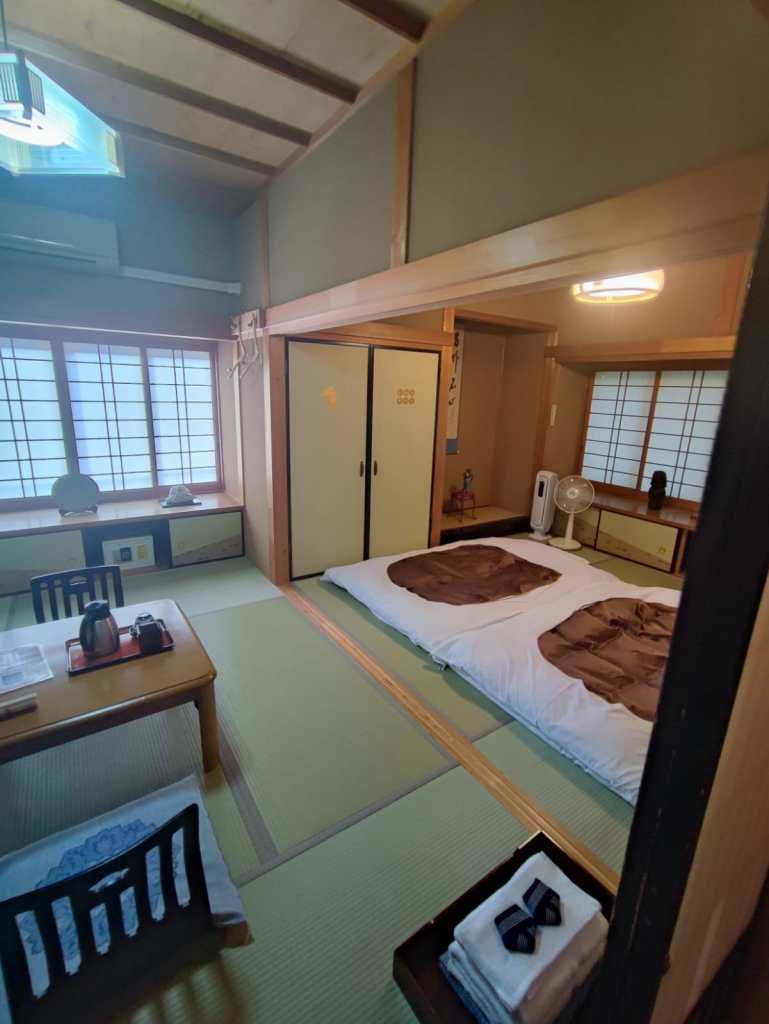
  • Adoro queste case così essenziali: nessun mobile, nessun arredamento, nessun soprammobile, solo tanto legno, piante, futon, tatami, thè verde, tende sottili come le ali di una libellula, qualche libro dalla copertina elegante.
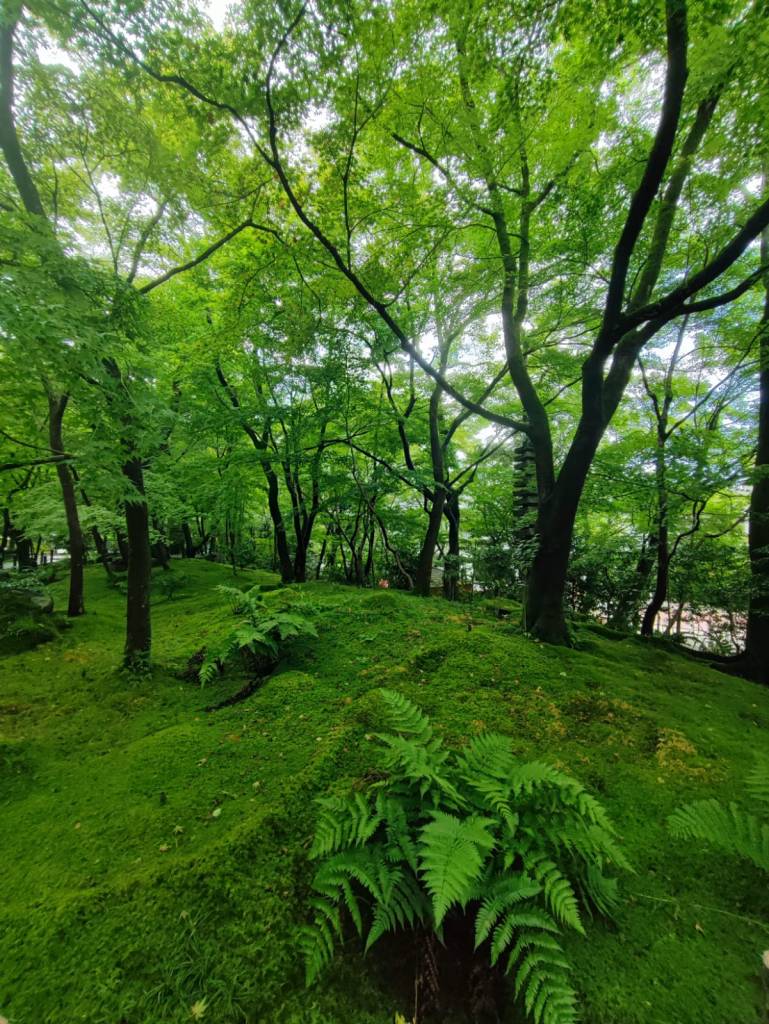
  • “Dobbiamo andare a Nara e Kyoto, nell’occhio del tifone, come il professore di ieri mi aveva avvertita. Il viaggio sta volgendo al termine e io non voglio tornare a casa. Nel monastero è nuvoloso stamani. L’atmosfera perfetta. Adoro questo clima di pioggia e nebbia carico di possibilità.”
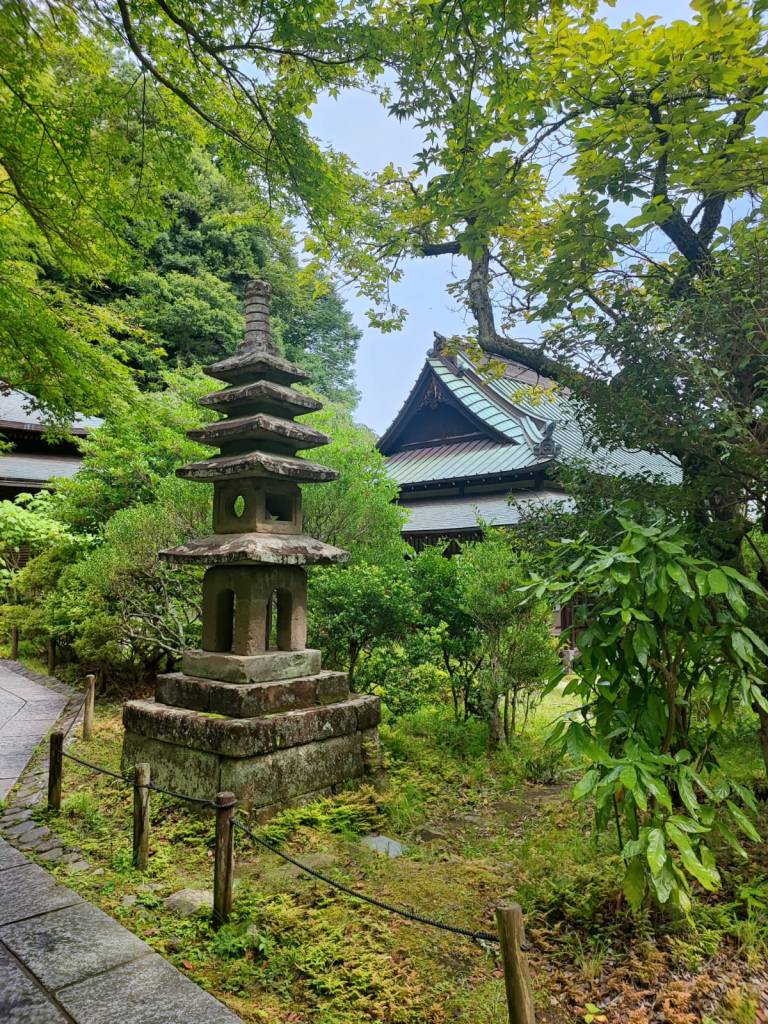
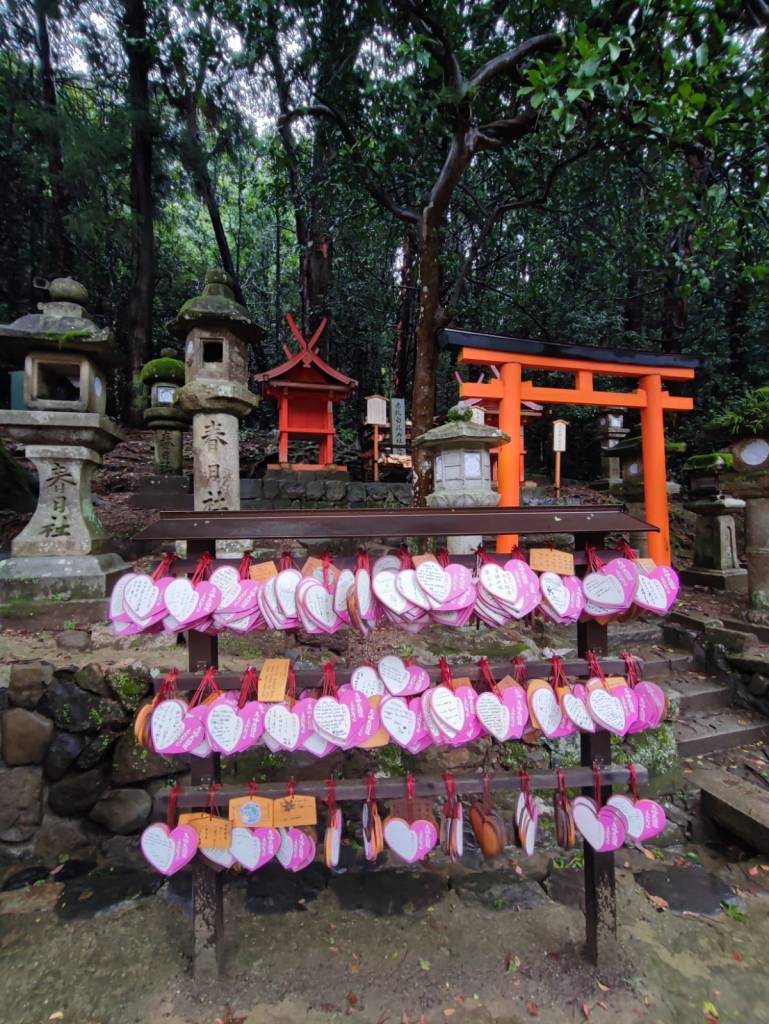
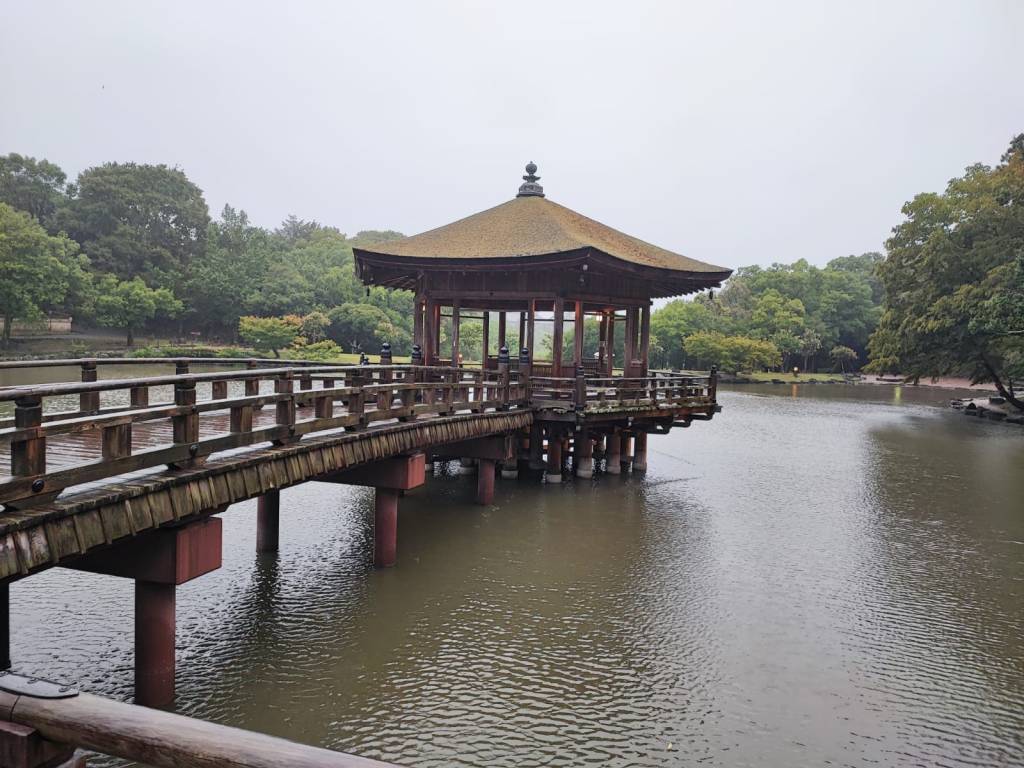
  • Nara, mega tifone che ferma i mezzi di trasporto e ci fa rimandare di un giorno la partenza per Kyoto. Piove, il cielo è grigio, le nuvole sono gonfie, elettriche, gli uccelli volano bassi, i cerbiatti si sono rifugiati sotto i porticati, non ci sono negozi aperti, niente da fare, nessuno in giro tranne noi disgraziati in infradito e giacca a vento. Giornata uggiosa, ma il tifone pensavo fosse un’altra cosa. Ci infiliamo in un parco, dopo un ottimo e abbondante ramen, e, wow… pura magia. Che emozione, che luogo suggestivo! Sarà stata anche la desolazione di un luogo solitamente gremito di orde di turisti… ma l’effetto è davvero pazzesco. I torii rossi, le lanterne di pietra con le preghiere in carta velina, la foresta rigogliosa, qualche monaco che cammina silenzioso tra gli alberi, i cerbiatti che frugano sereni tra le foglie cadute per la tempesta, uno scarabeo blu che aiuto a rigirarsi con una fogliolina e lui riprende tranquillo la sua strada come se niente fosse successo. La poesia di questi luoghi non ha eguali. Quando tornerò in Giappone sarà per questa magia, per la natura sconfinata, per le antiche tradizioni che resistono al tempo, per il buddhismo, per la lentezza dei paesini, per il minimalismo, il thè verde bollente mentre ammiri lo spettacolo della pioggia che scende, per le preghiere e i mantra dei monaci la mattina presto, per i gong che ti risvegliano dell’assopimento mentre riposi su un’amaca, per i maestosi torii che sbucano dalle fronde o dall’acqua. Il Giappone autentico, quello magico (l’ho già detto?) e antico delle storie di geishe e samurai, imperatori e monaci… le innovazioni della modernità perdono sempre dinanzi alle meraviglie dell’antichità.”
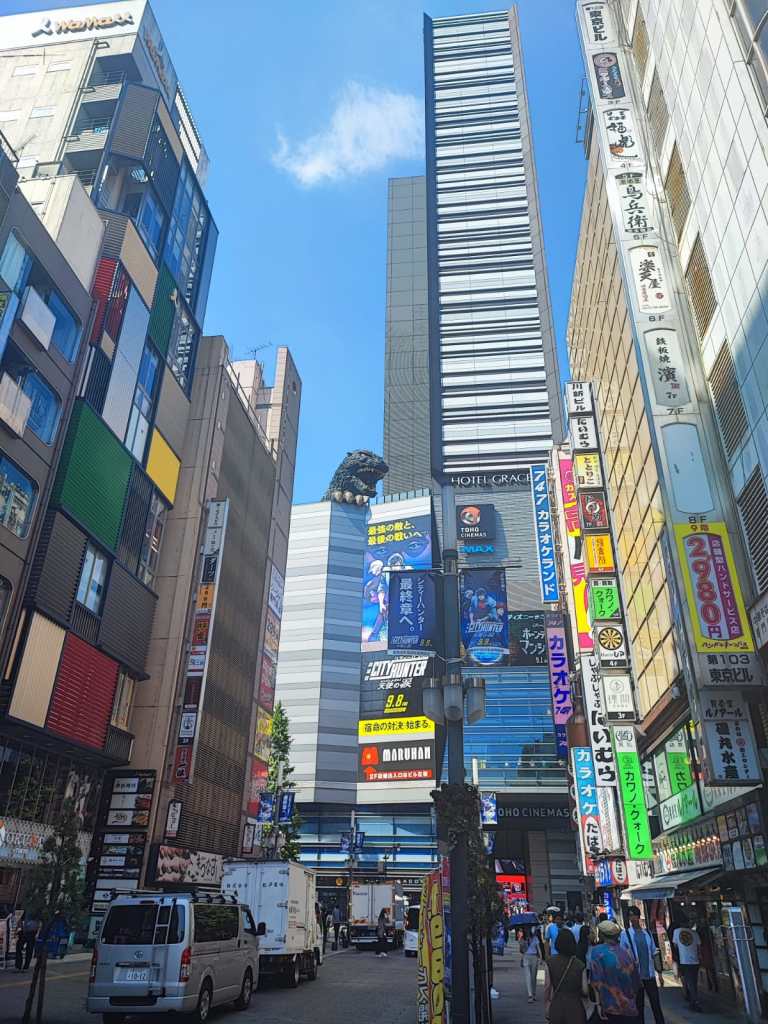
  • Tokyo è una città immensa. Ci sono le cose più stravaganti del mondo, come i Godzilla giganti in mezzo ai grattacieli o i Pokemon shop, ma io non ci vivrei mai: per quanto vivace e attraente, è pur sempre piena di traffico, rumori, folle di gente sudata. E le distanze sono immense, la sensazione di dispersione e straniamento costante, i palazzoni e i grattacieli divorano il cielo… preferisco la natura e i piccoli paesini tranquilli.
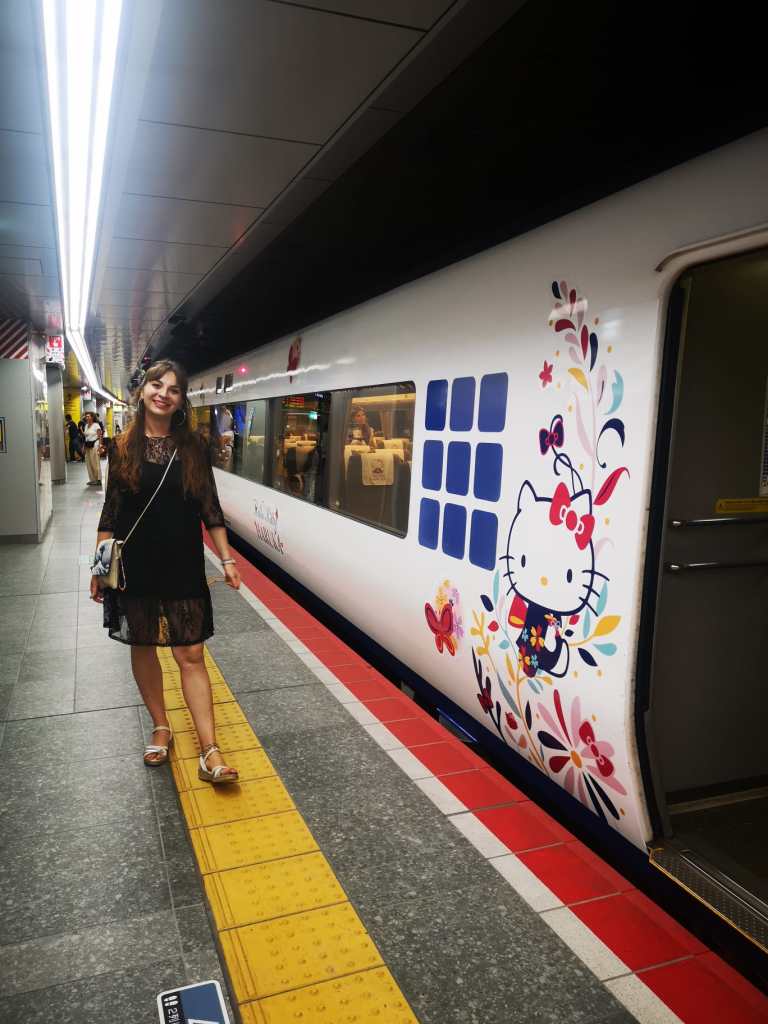
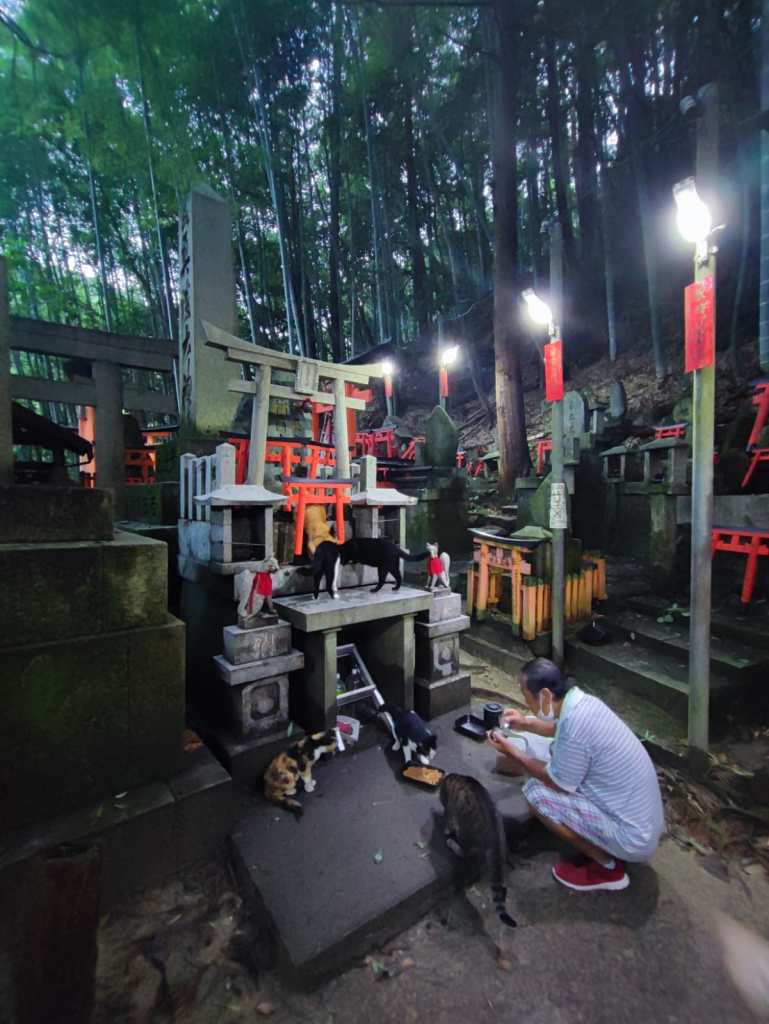
  • Kyoto è un carnaio di turisti, ben più di Tokyo. Le aspettative erano altissime, eppure, forse a causa della troppa folla e del troppo caldo, mi ha delusa, e mi sono sentita male più volte. Era una corsa continua da un tempio all’altro, da una scalinata all’altra. I giardini, i templi, i palazzi perdono ogni poesia in mezzo a quel casino. Non mi è piaciuta. Persino la cerimonia del thè mi è sembrata una trappola per turisti, così come il Fushimi Inari, il santuario shintoista con le celebri gallerie di torii rossi. Le grandi città bocciate, i paesini sperduti approvati.
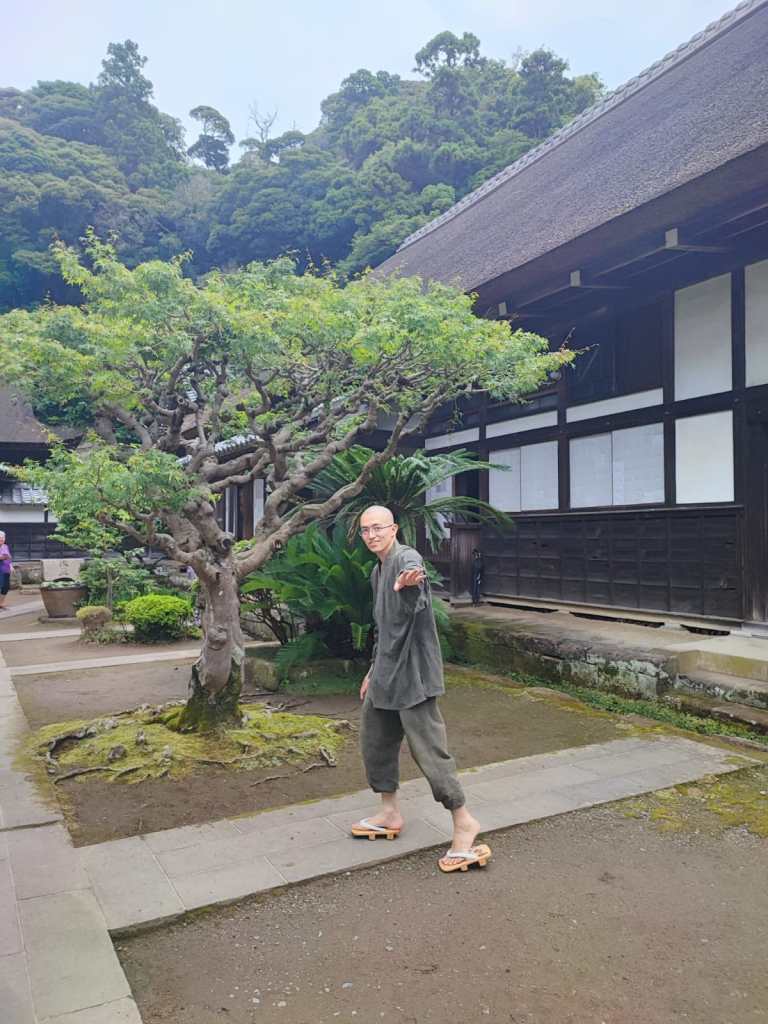
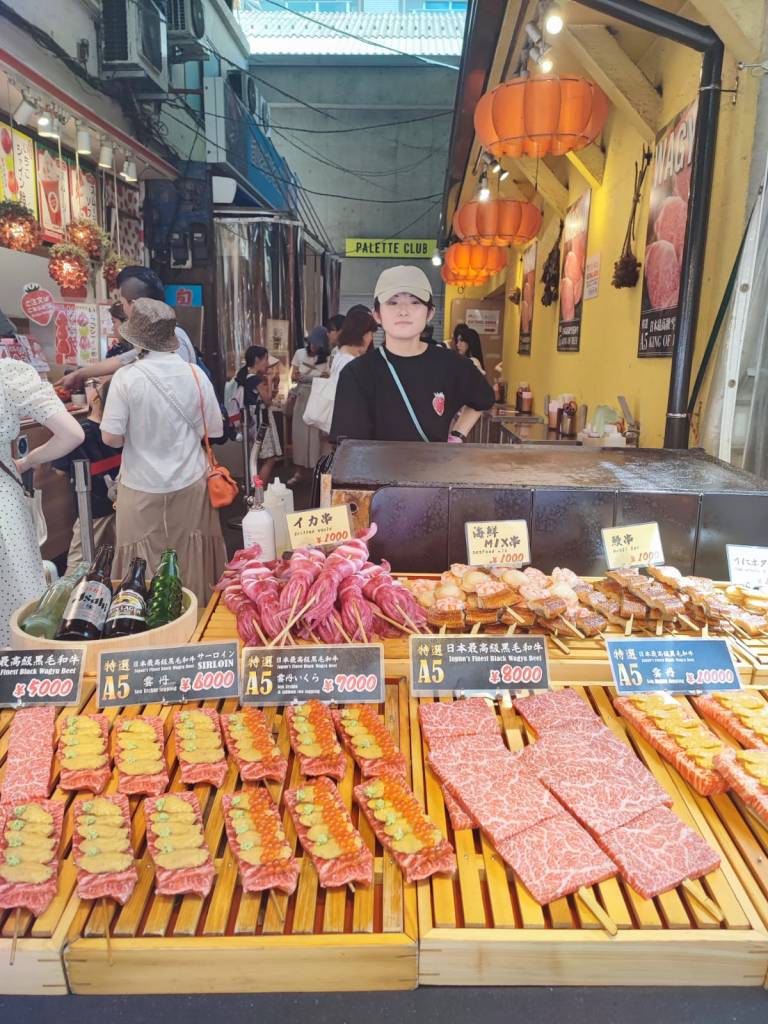
  • Il sampuru, l’arte del cibo finto, è diffusissima in Giappone. Ovunque, infatti, si trovano vetrine che espongono pietanze finte, di plastica, che sono realizzate così bene da sembrare delle reali appetitose prelibatezze.
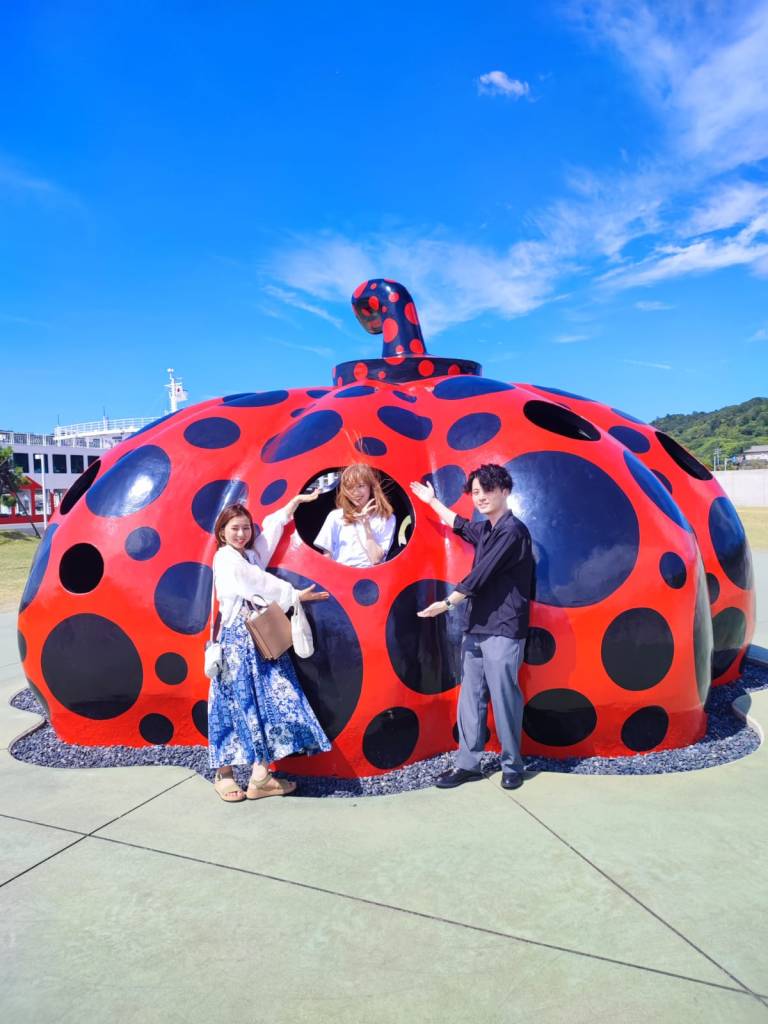
Insomma, eccoci alla conclusione, per ora. Qualche appunto, pensiero, osservazione, su un Paese che mi ha saputo emozionare e sorprendere ogni giorno. Spero di tornarci presto!
Arigato gozaimas!
Featured

Impressioni sulla Serbia

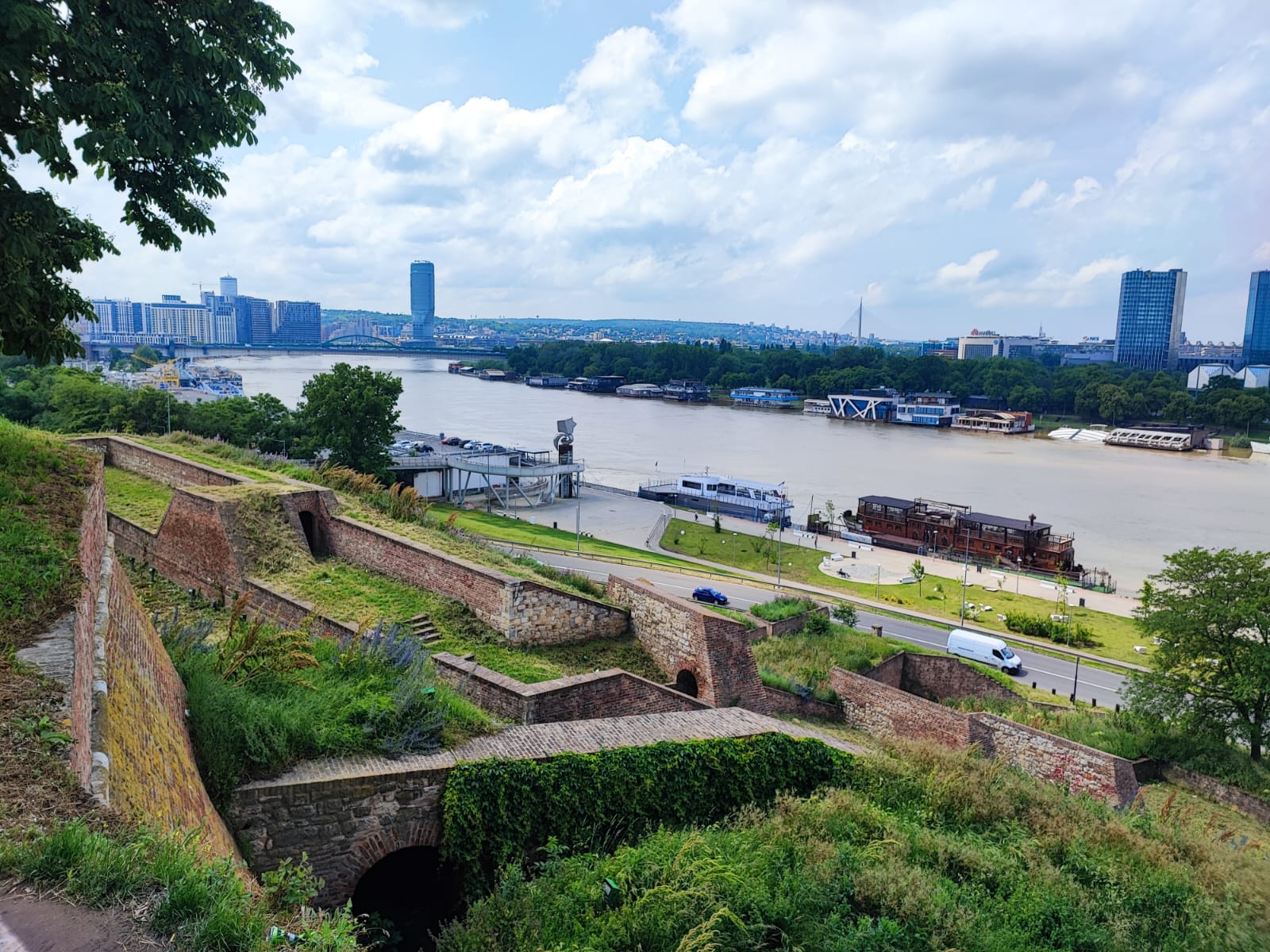
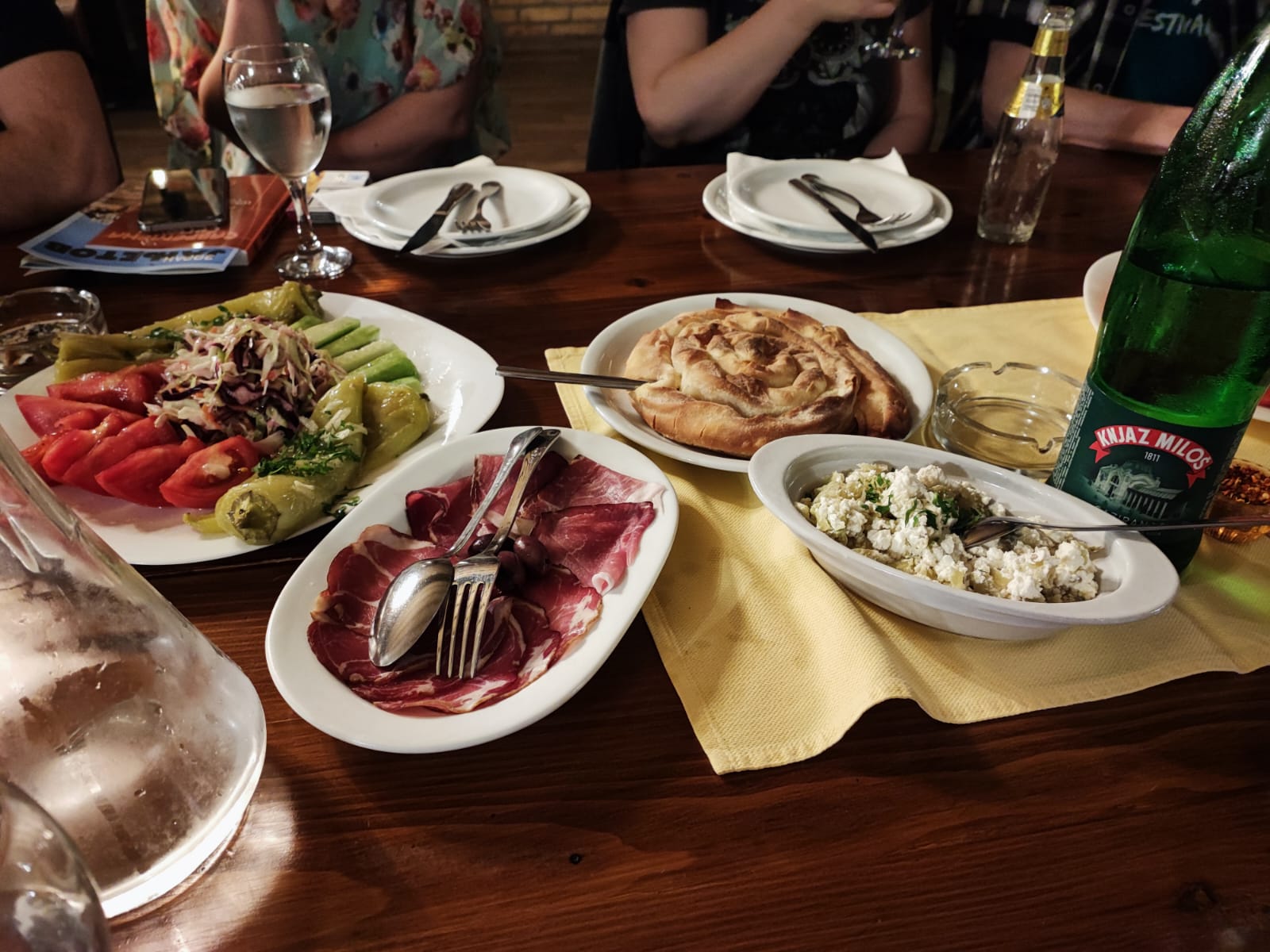
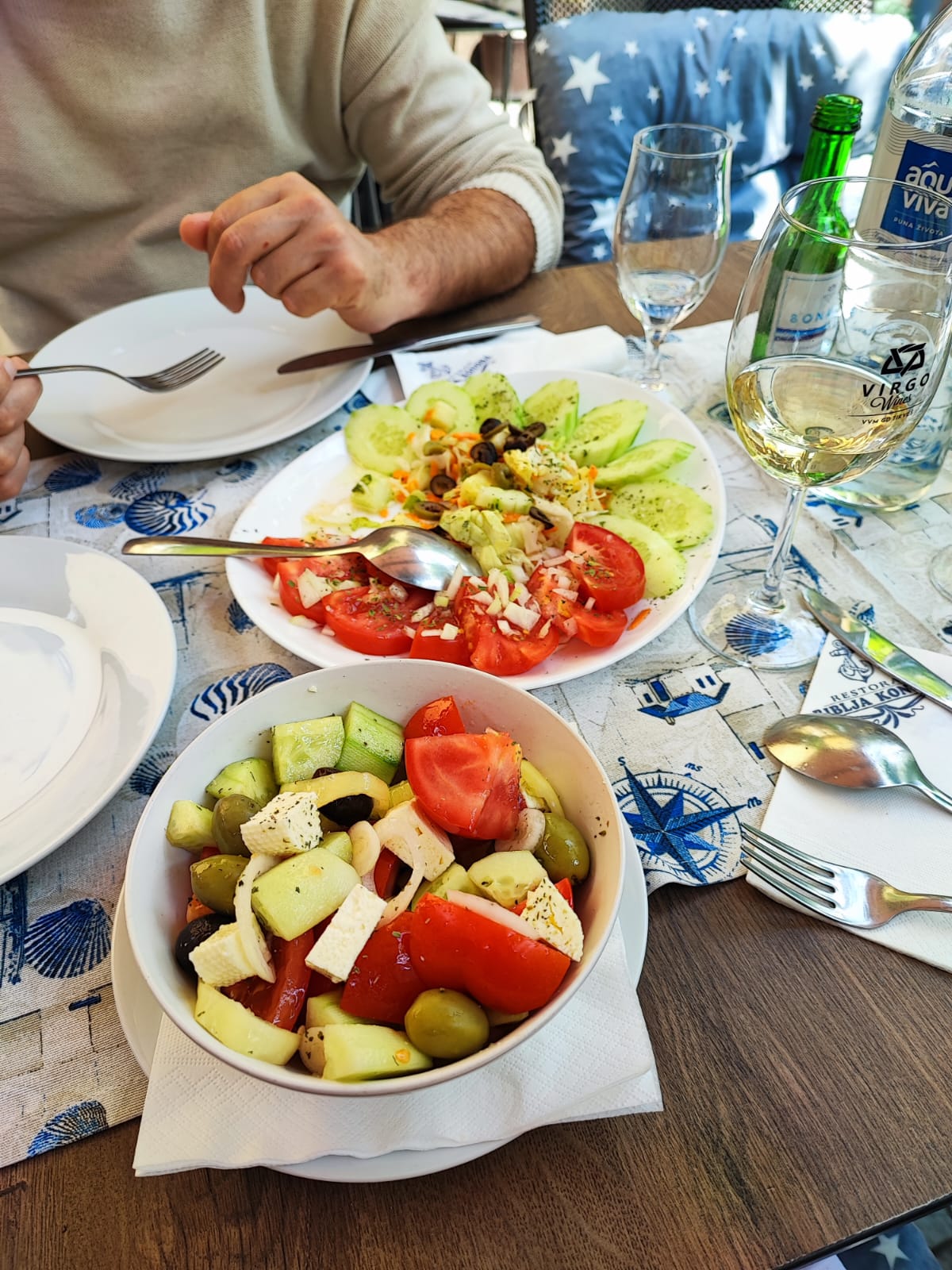
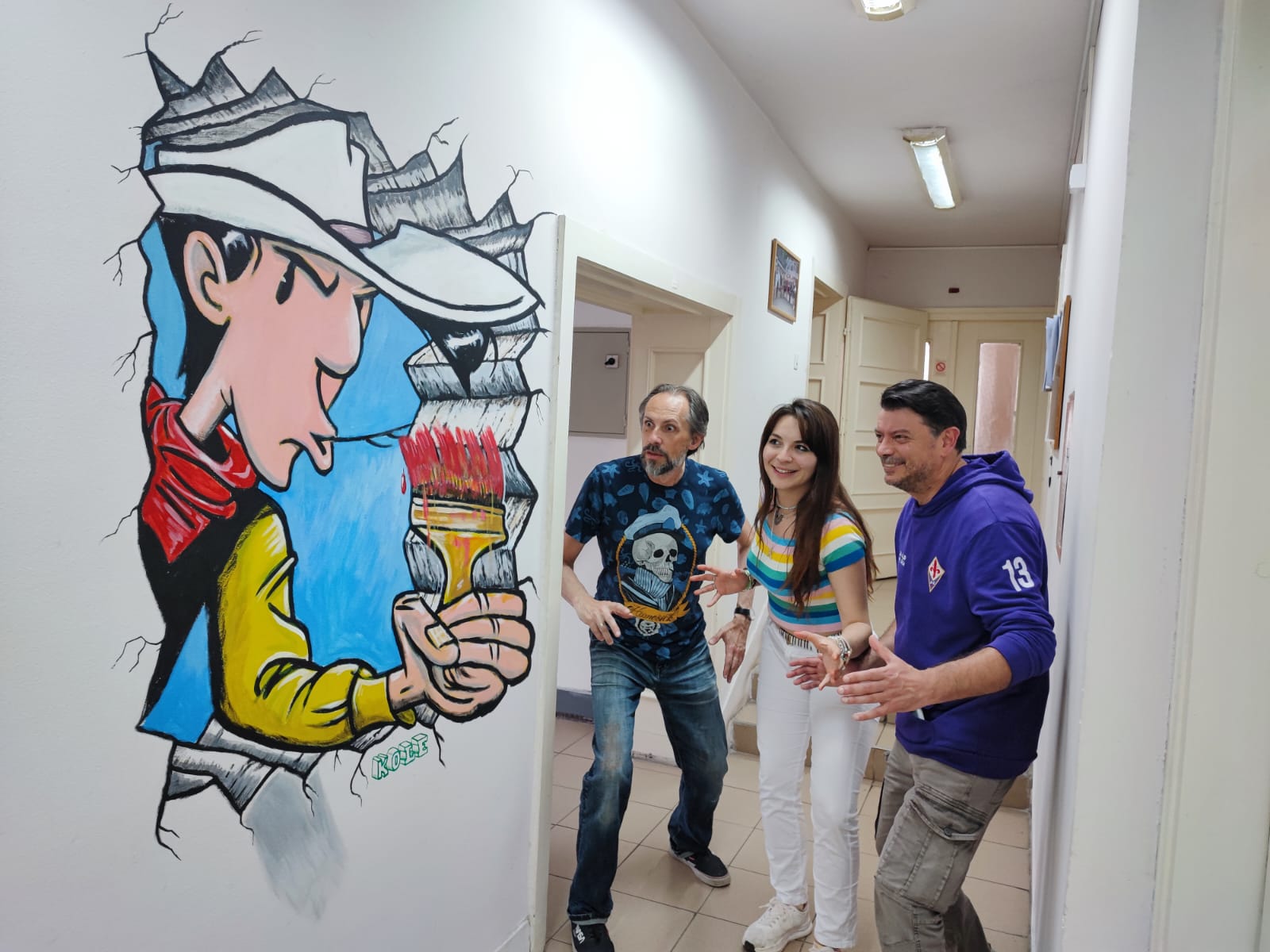
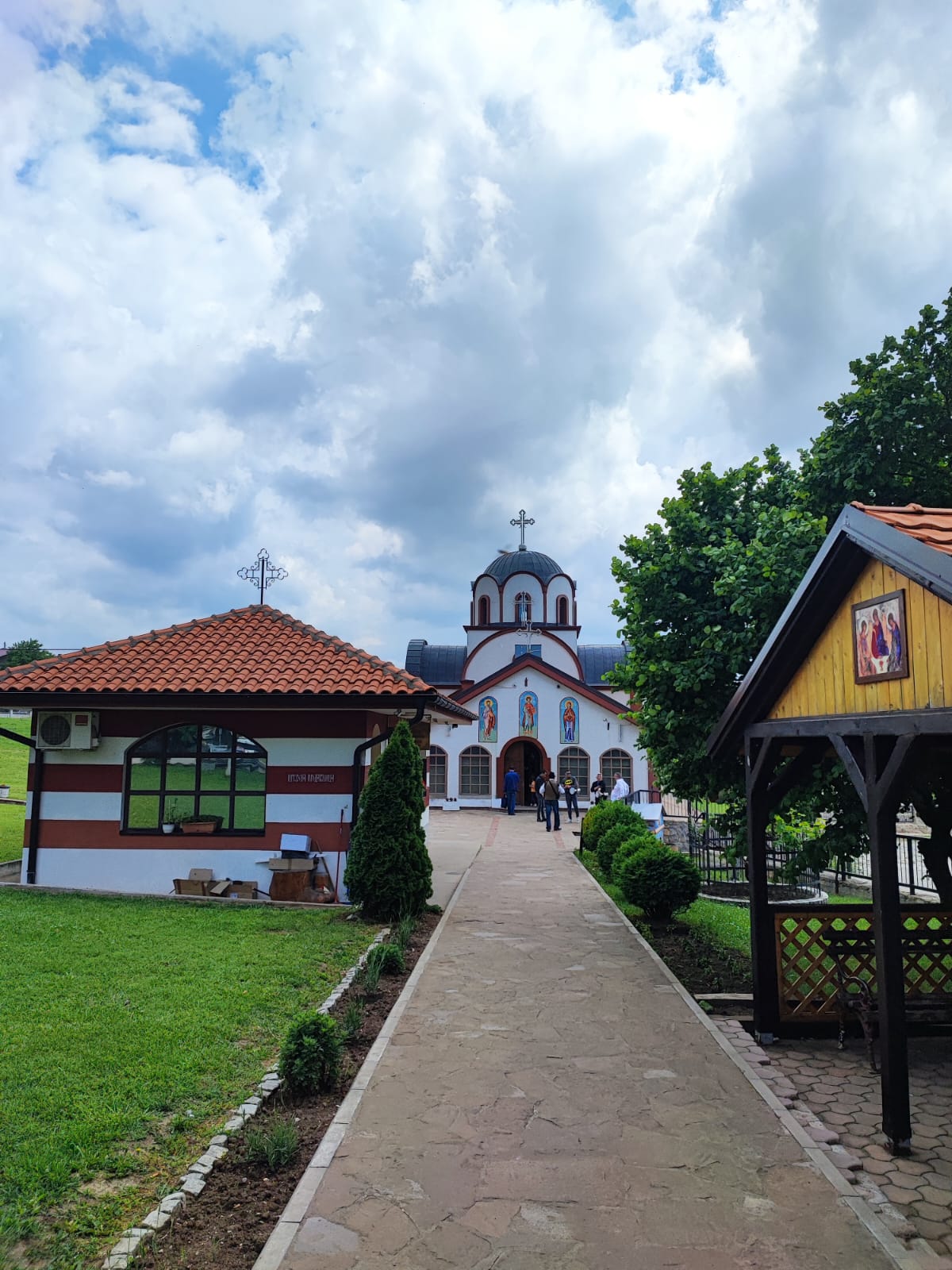
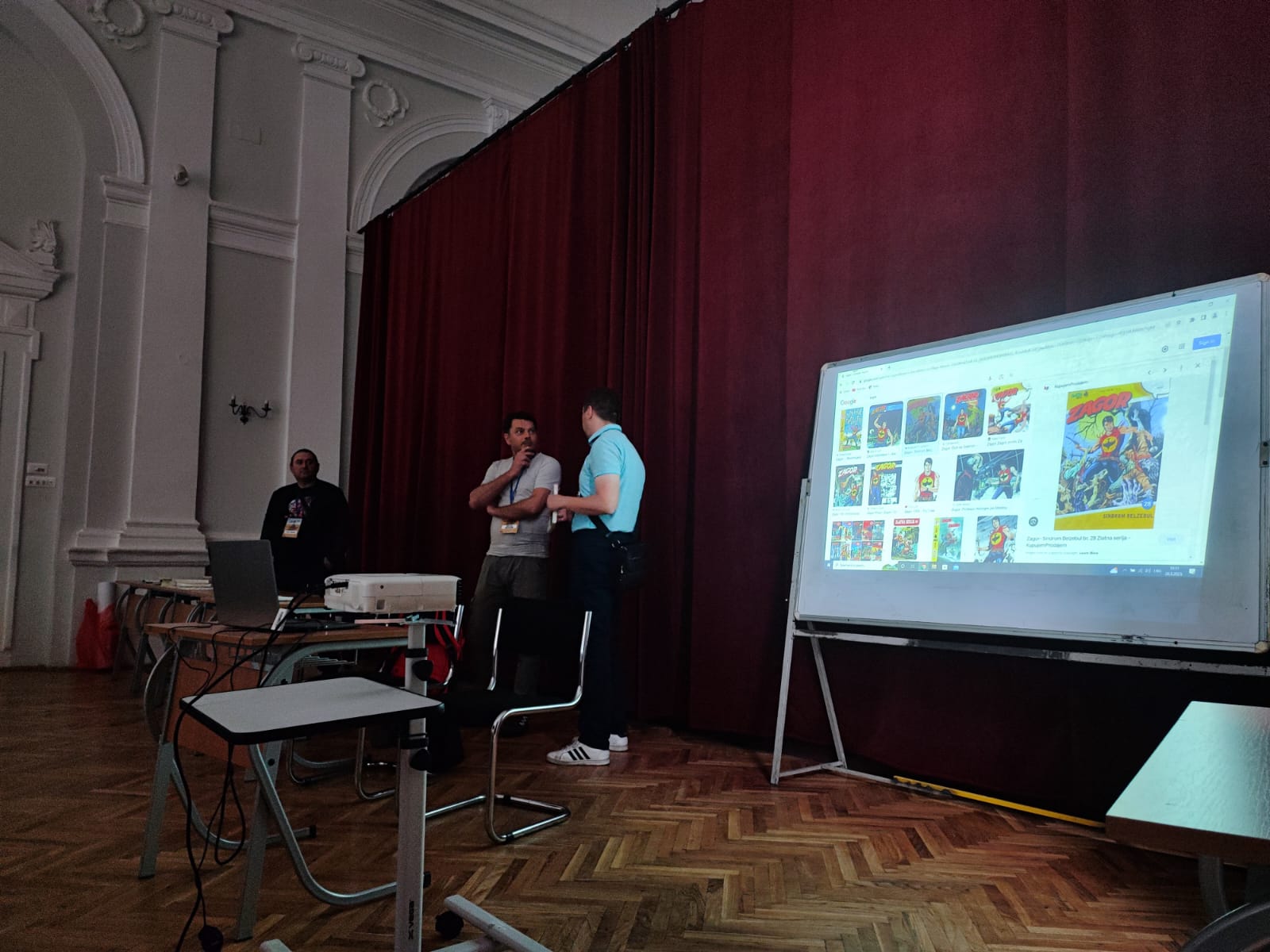
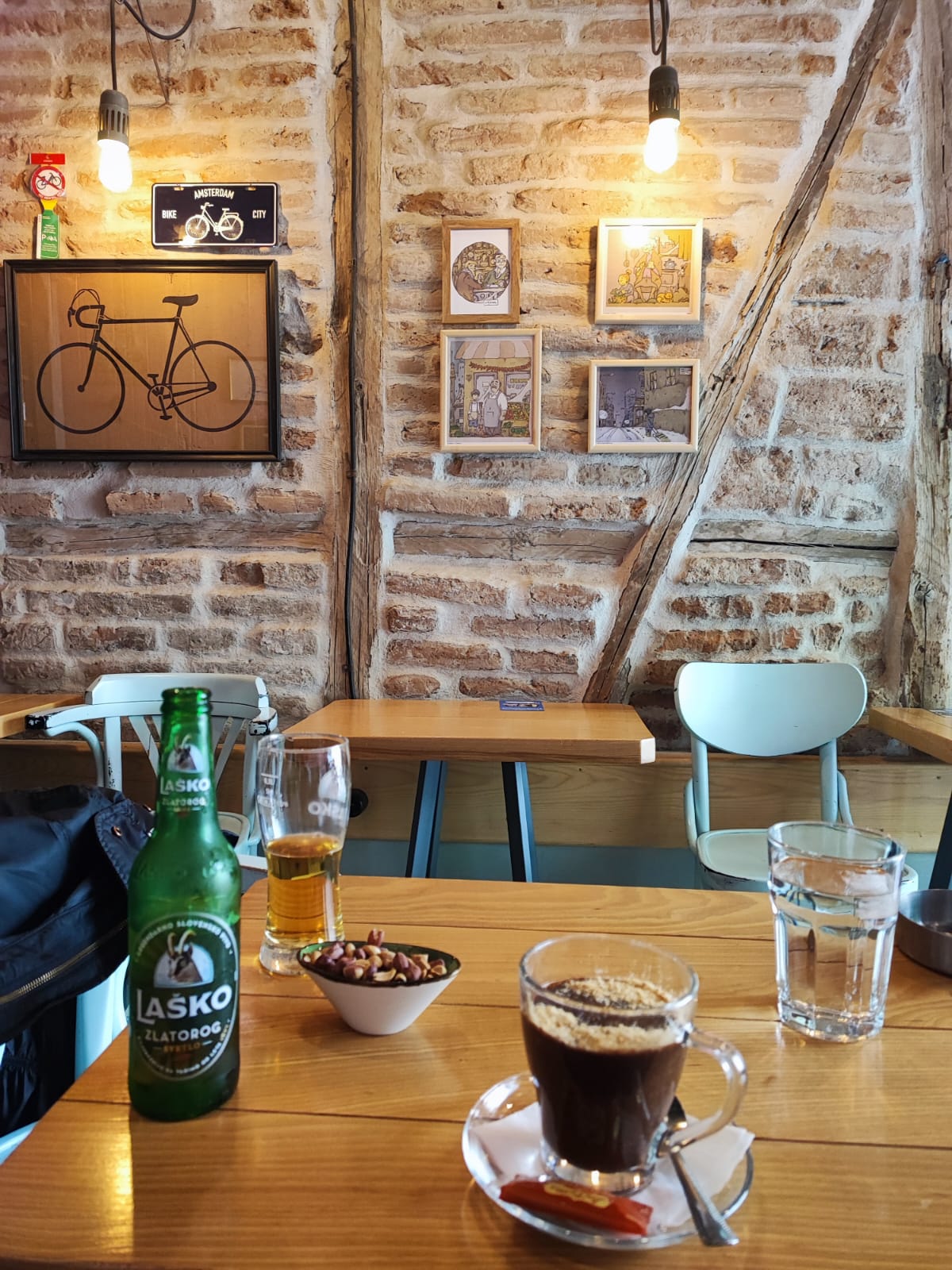
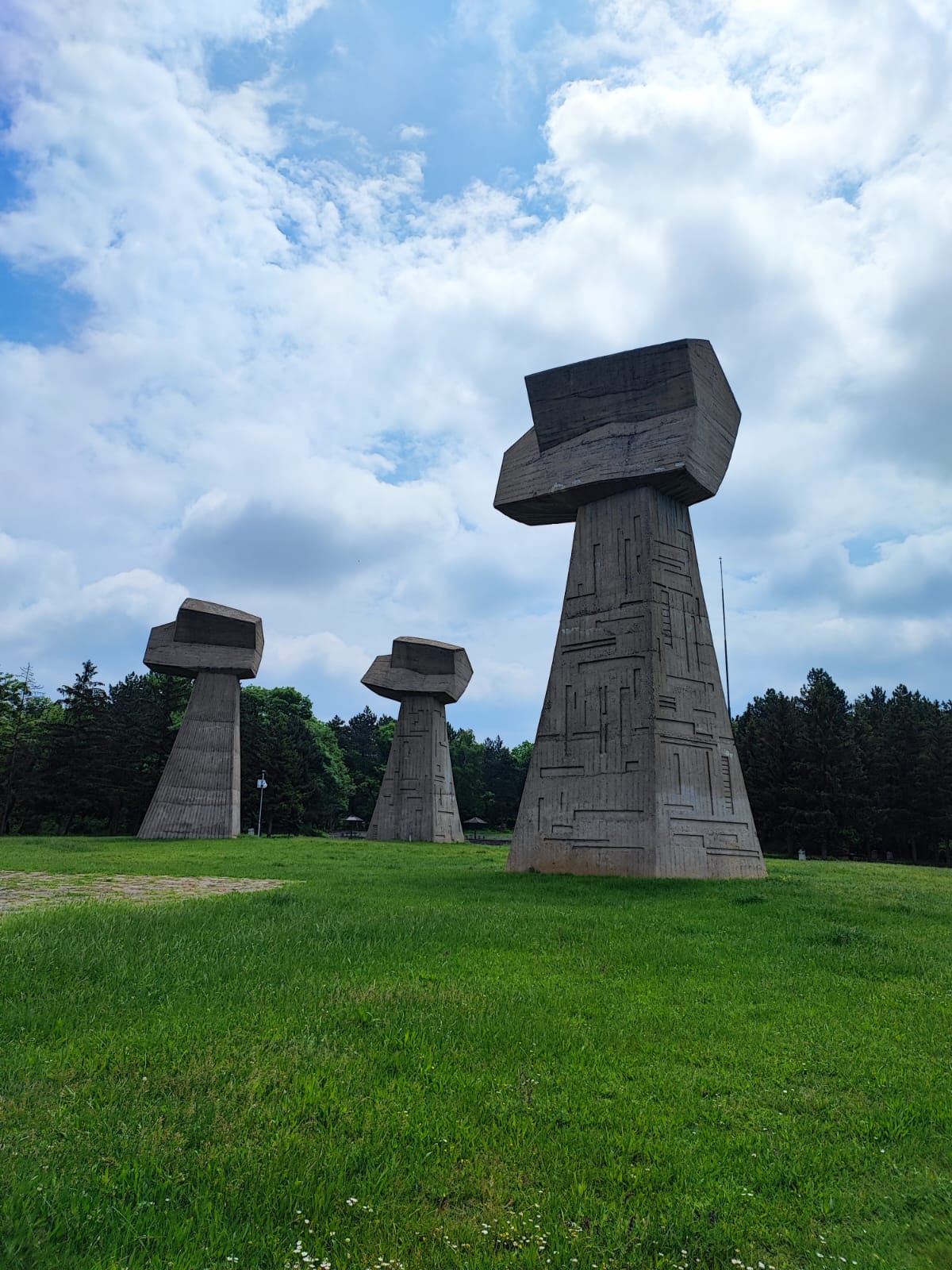
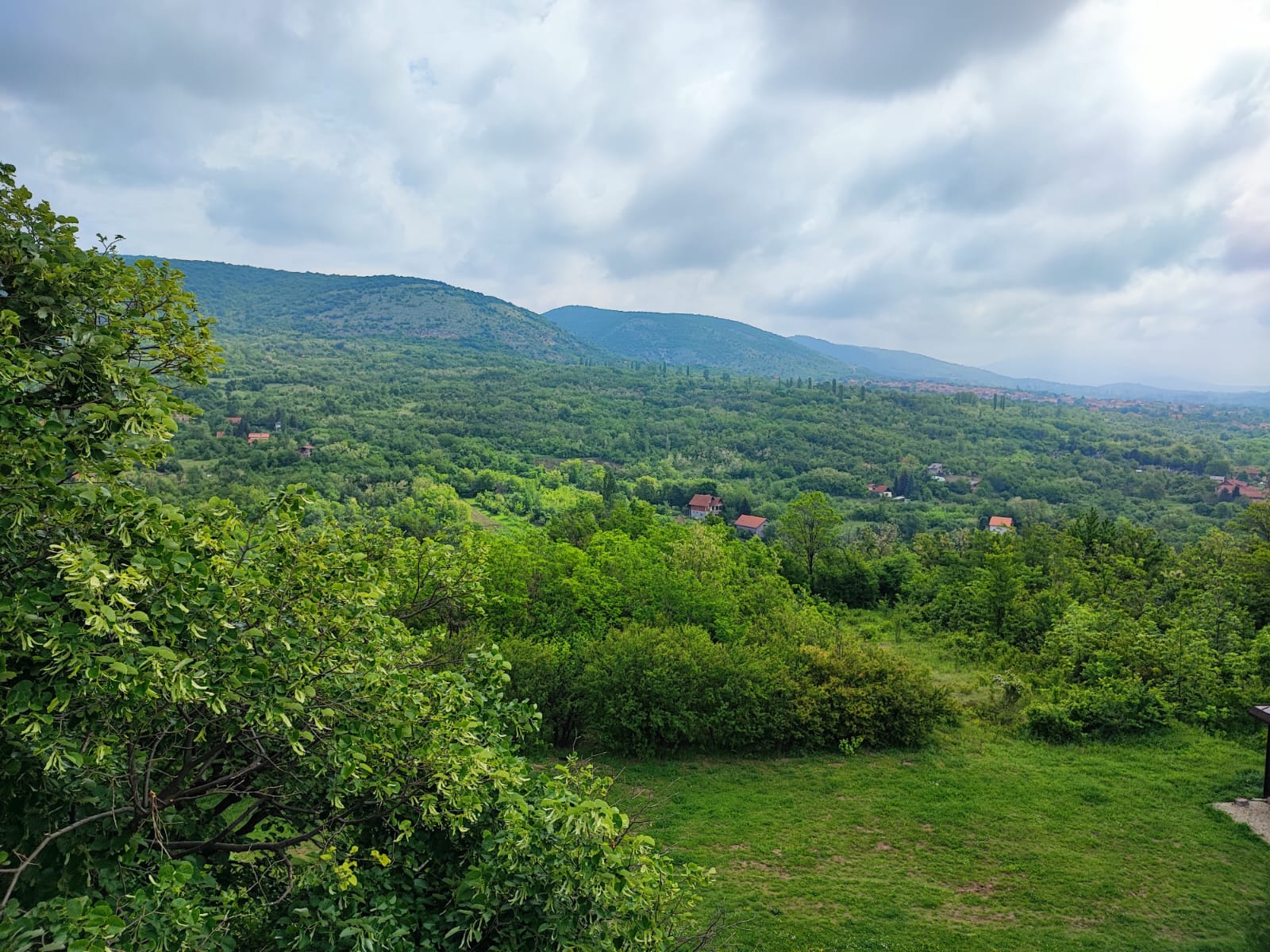
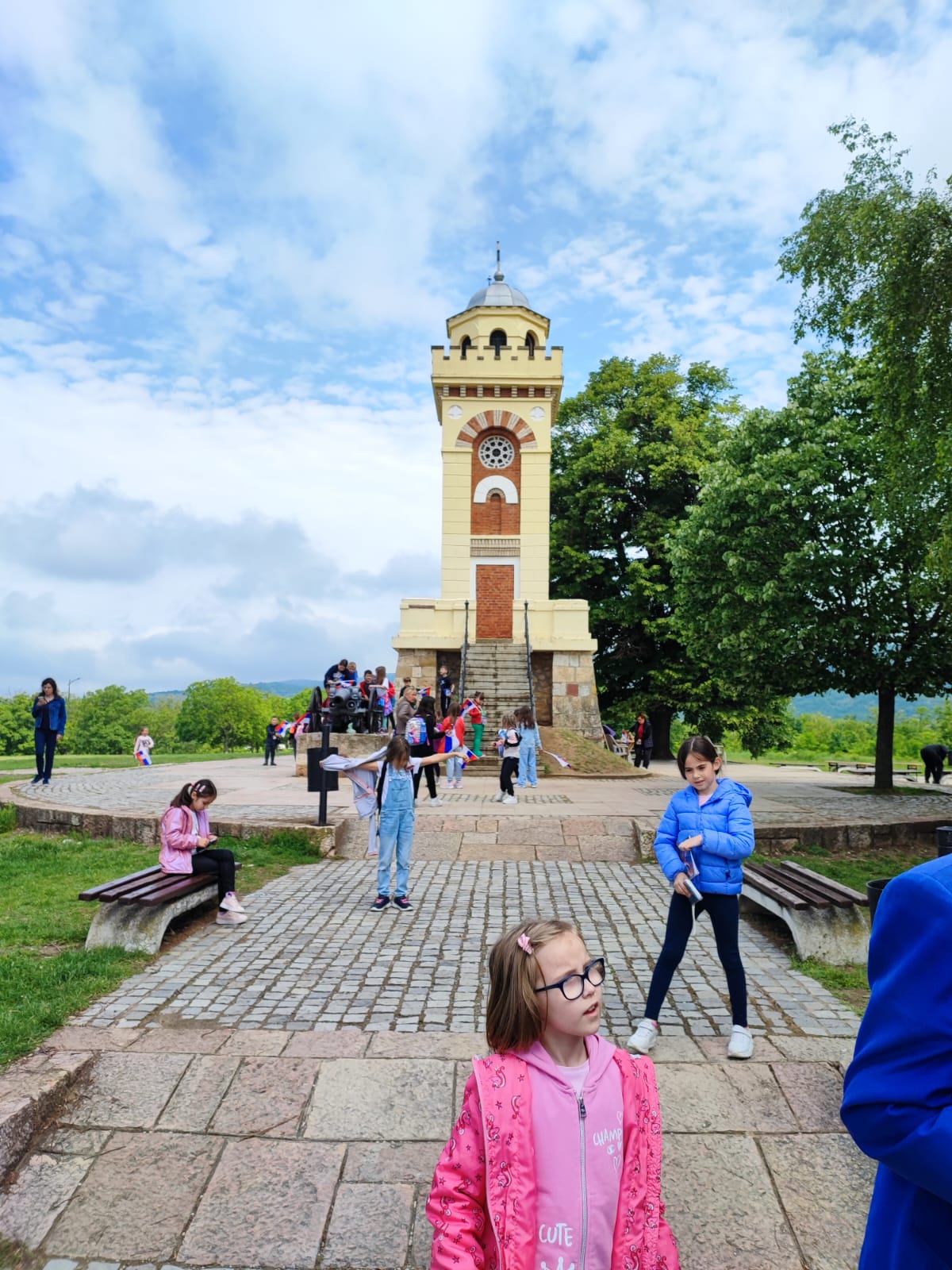
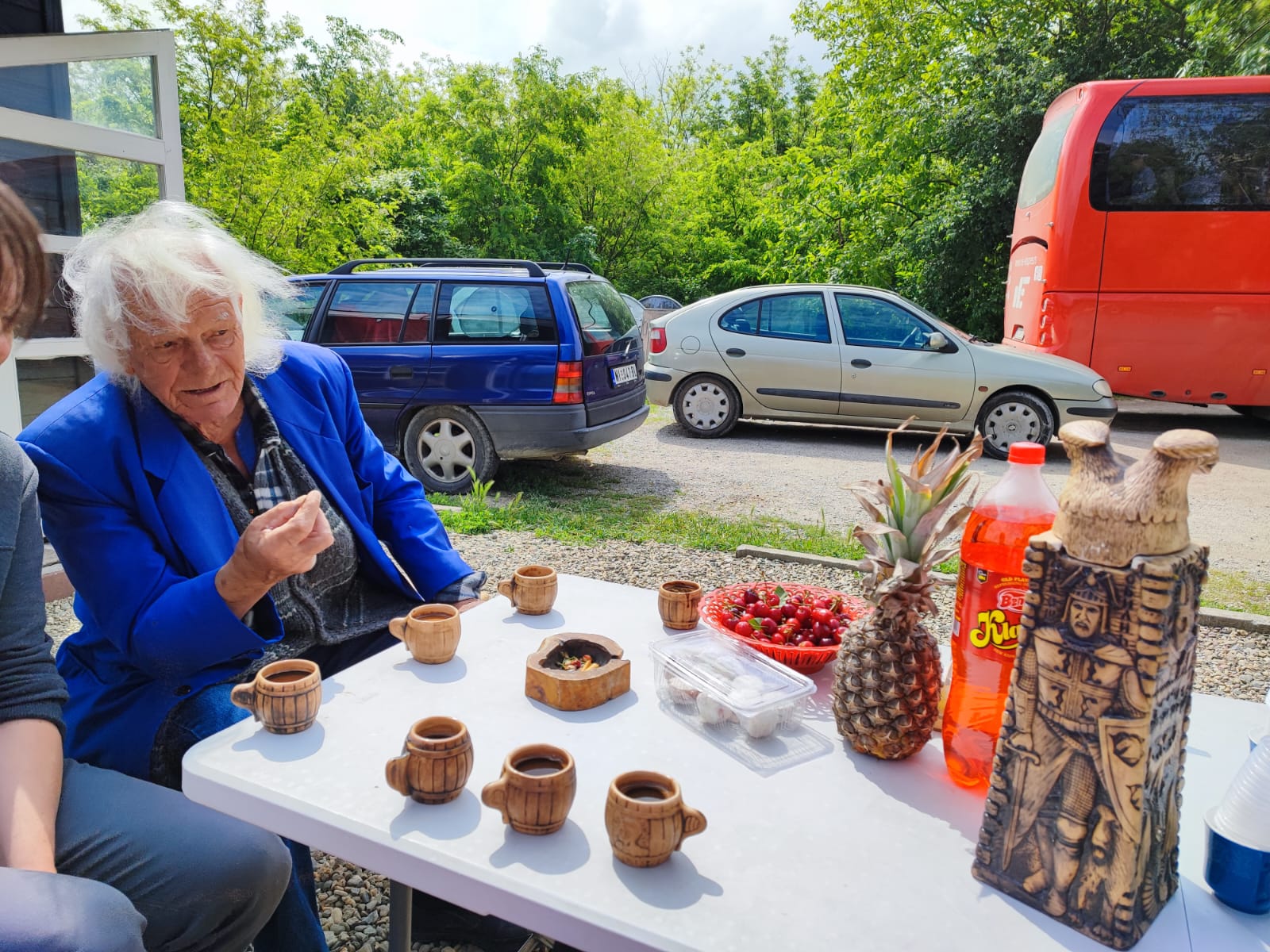
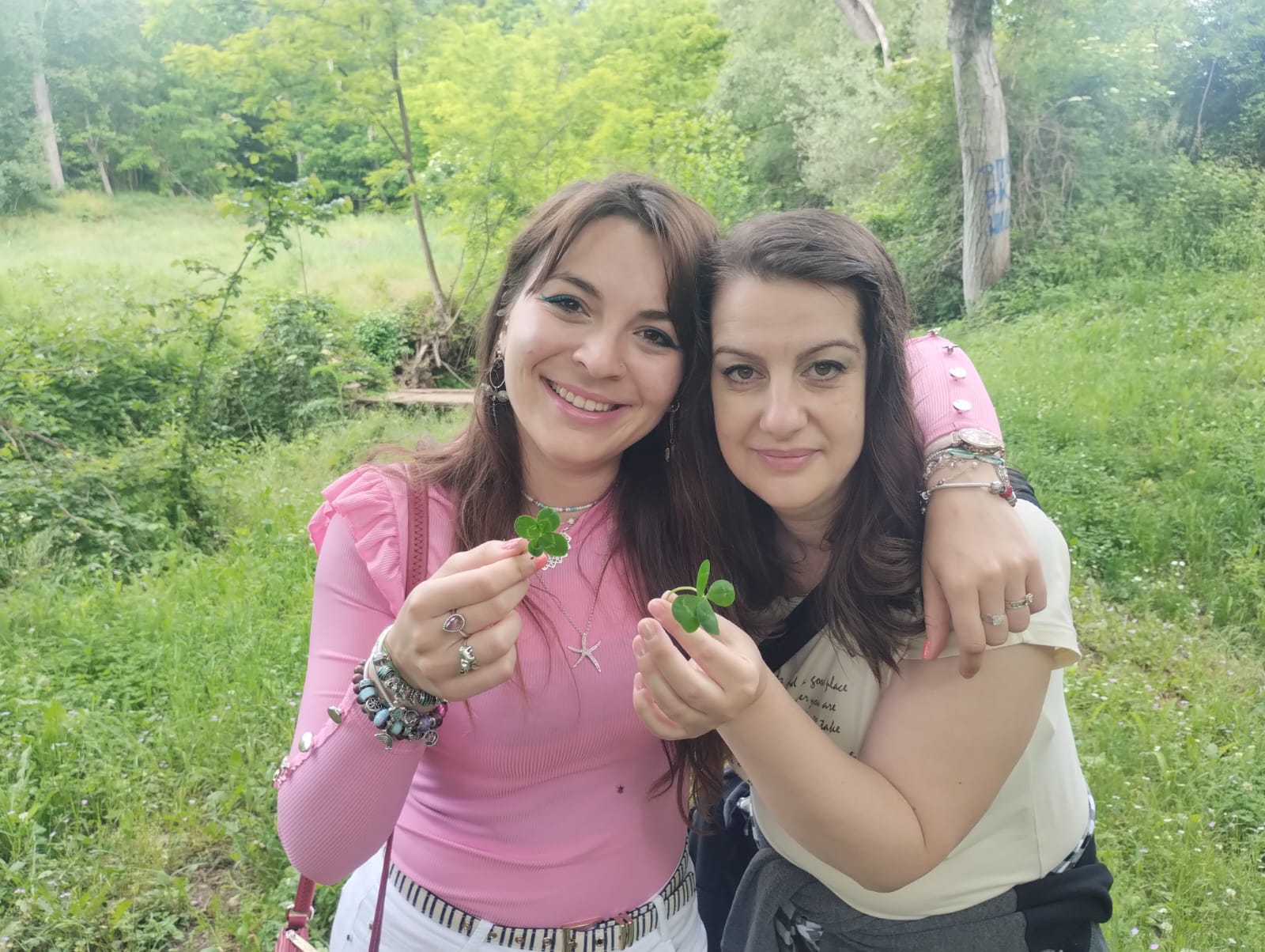
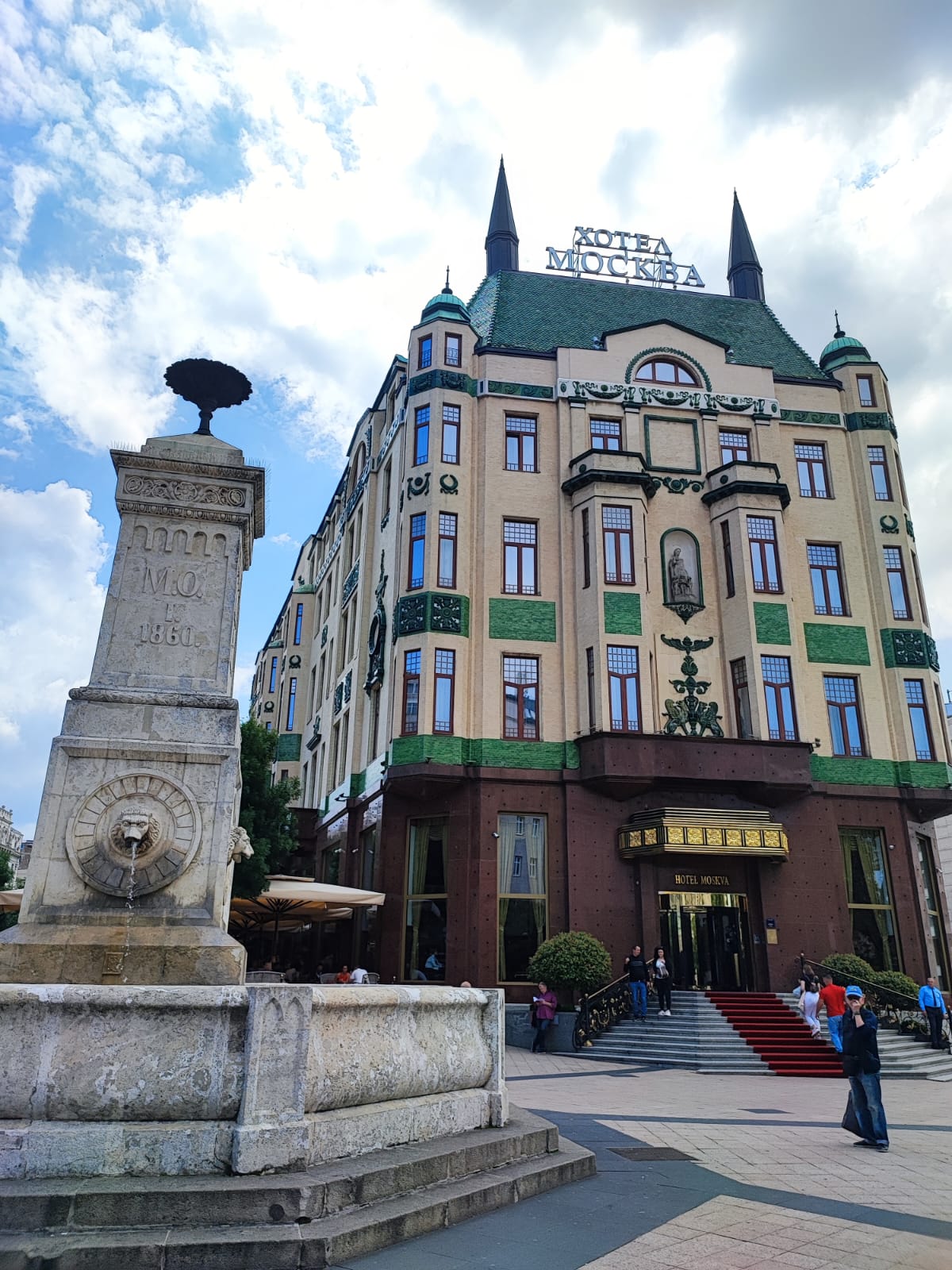
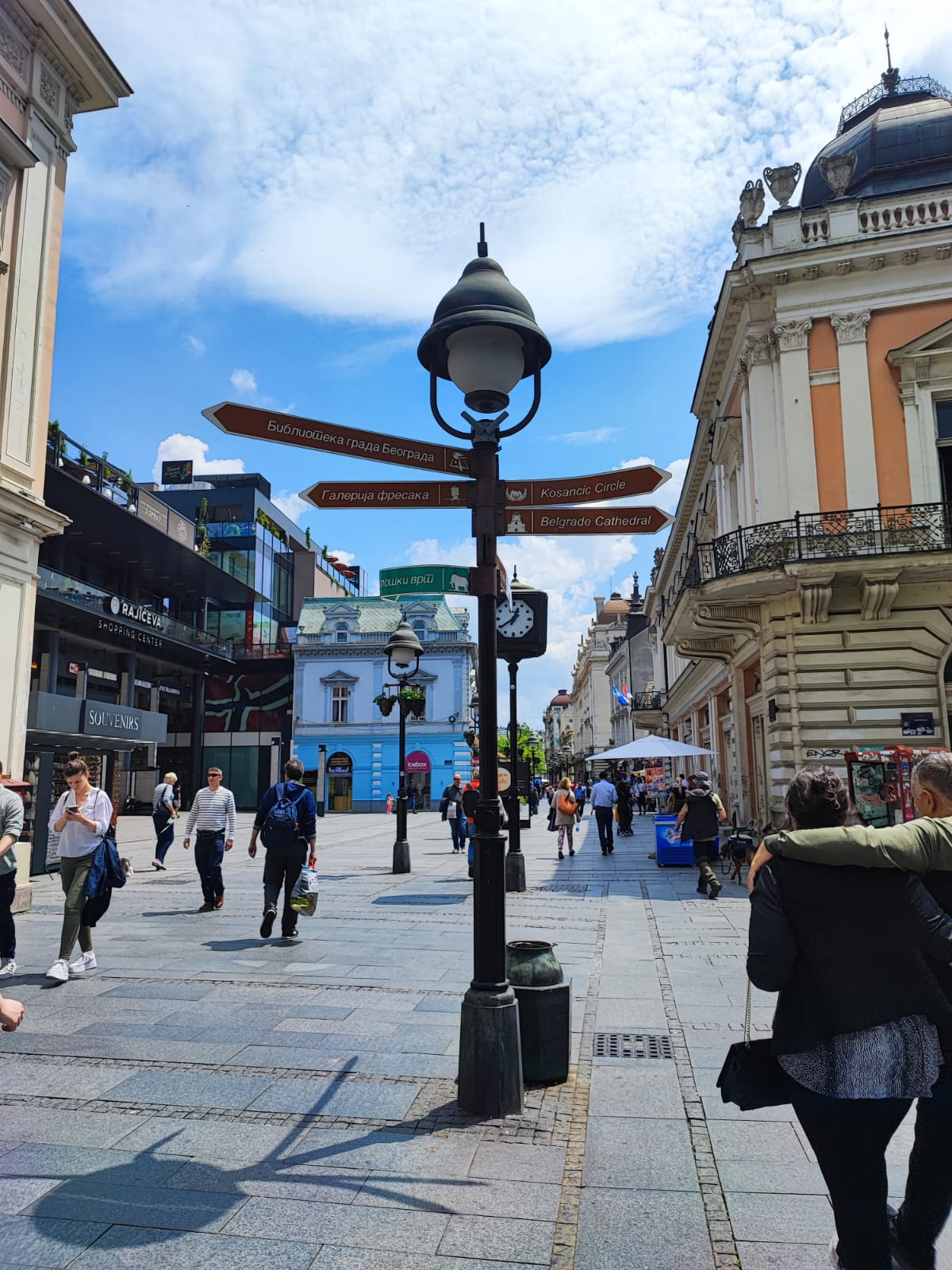
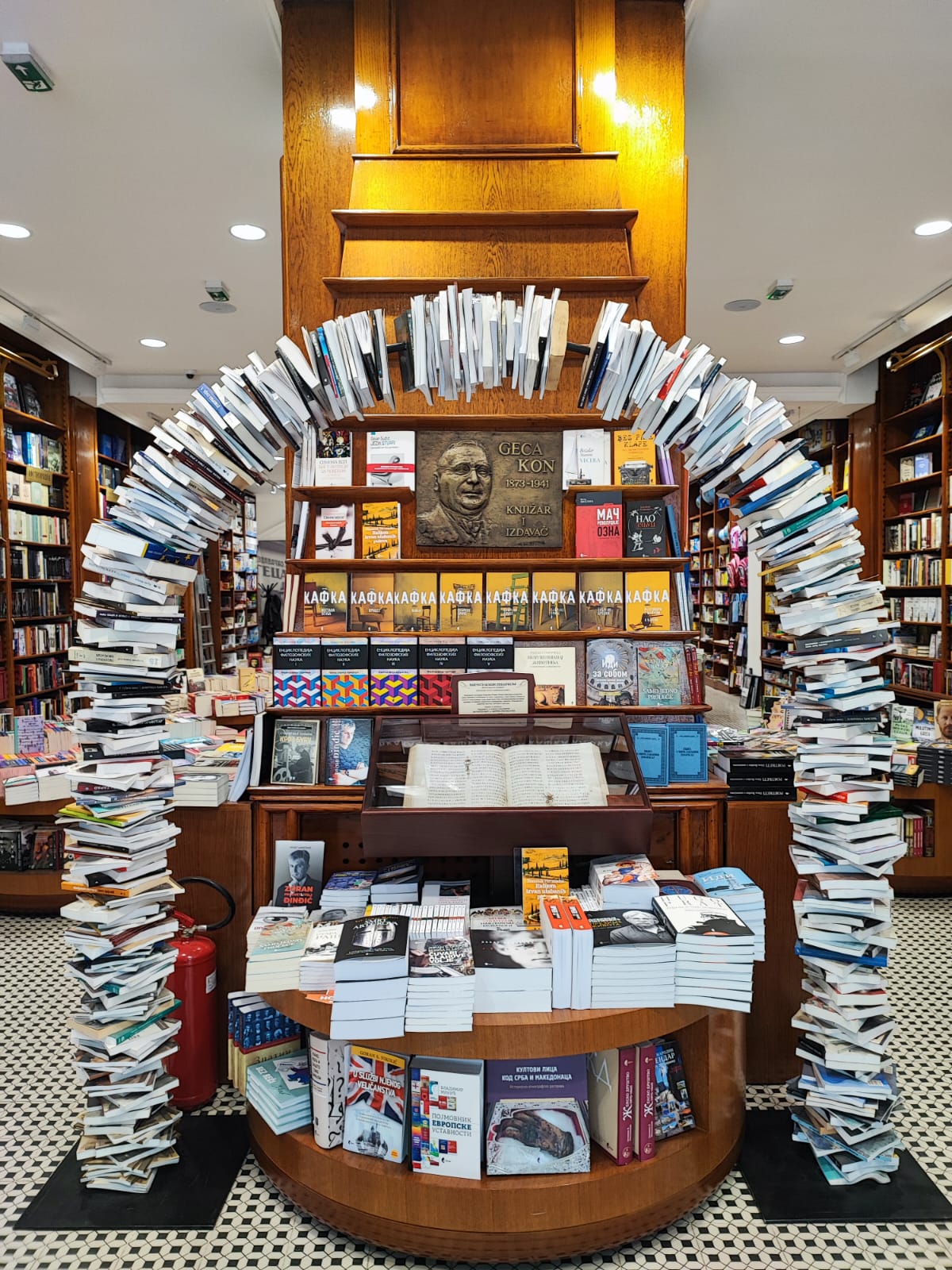
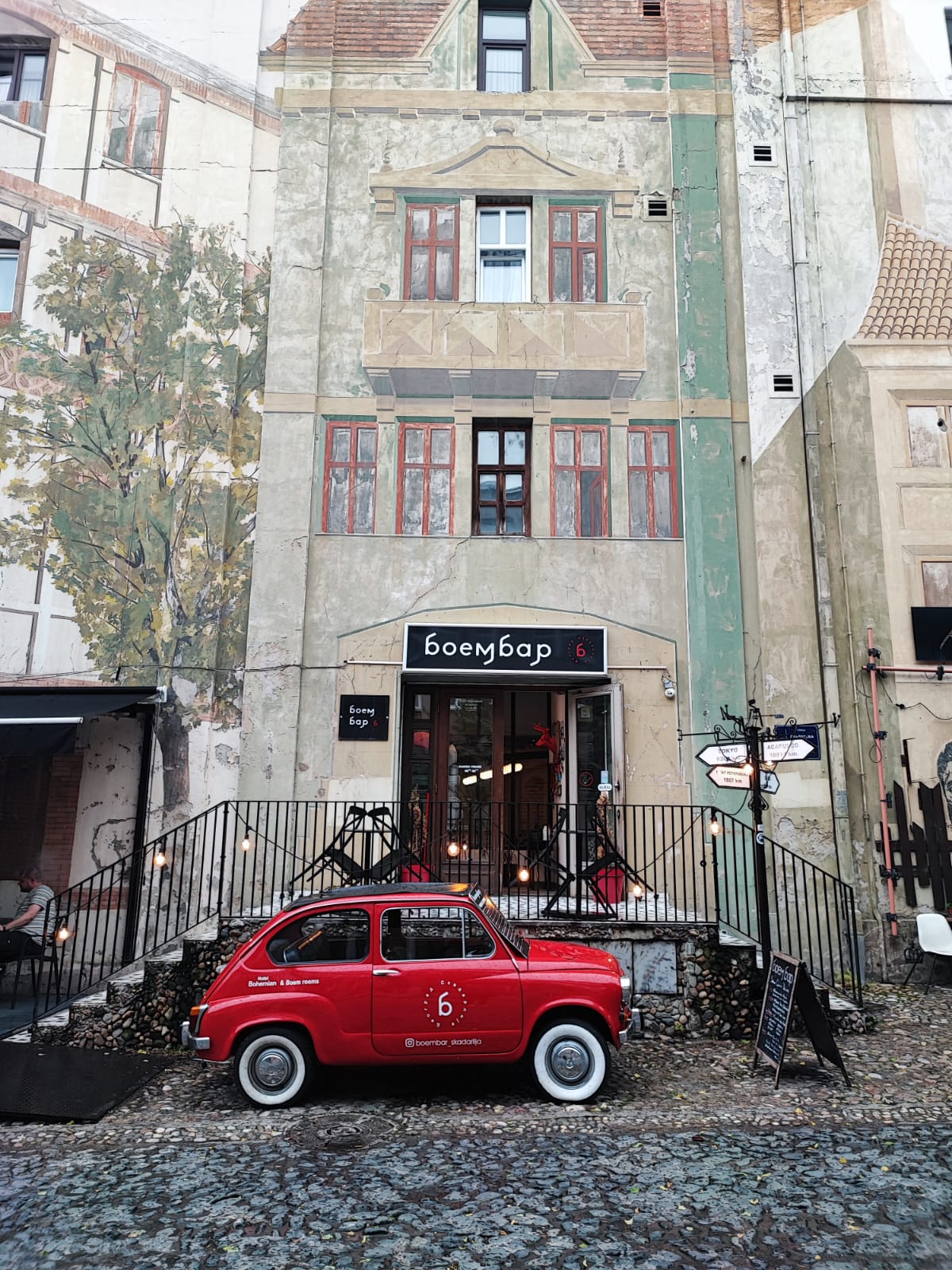
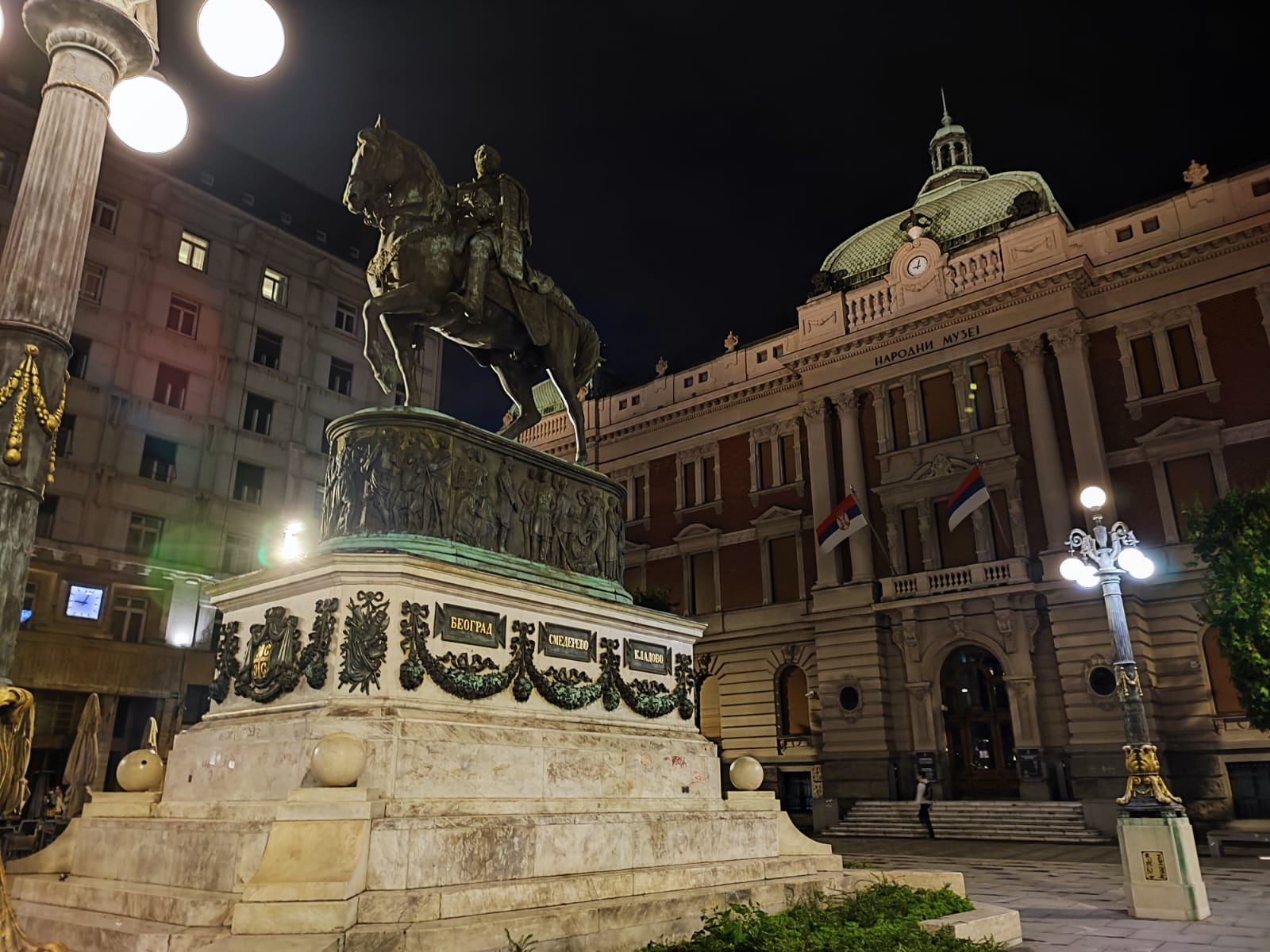
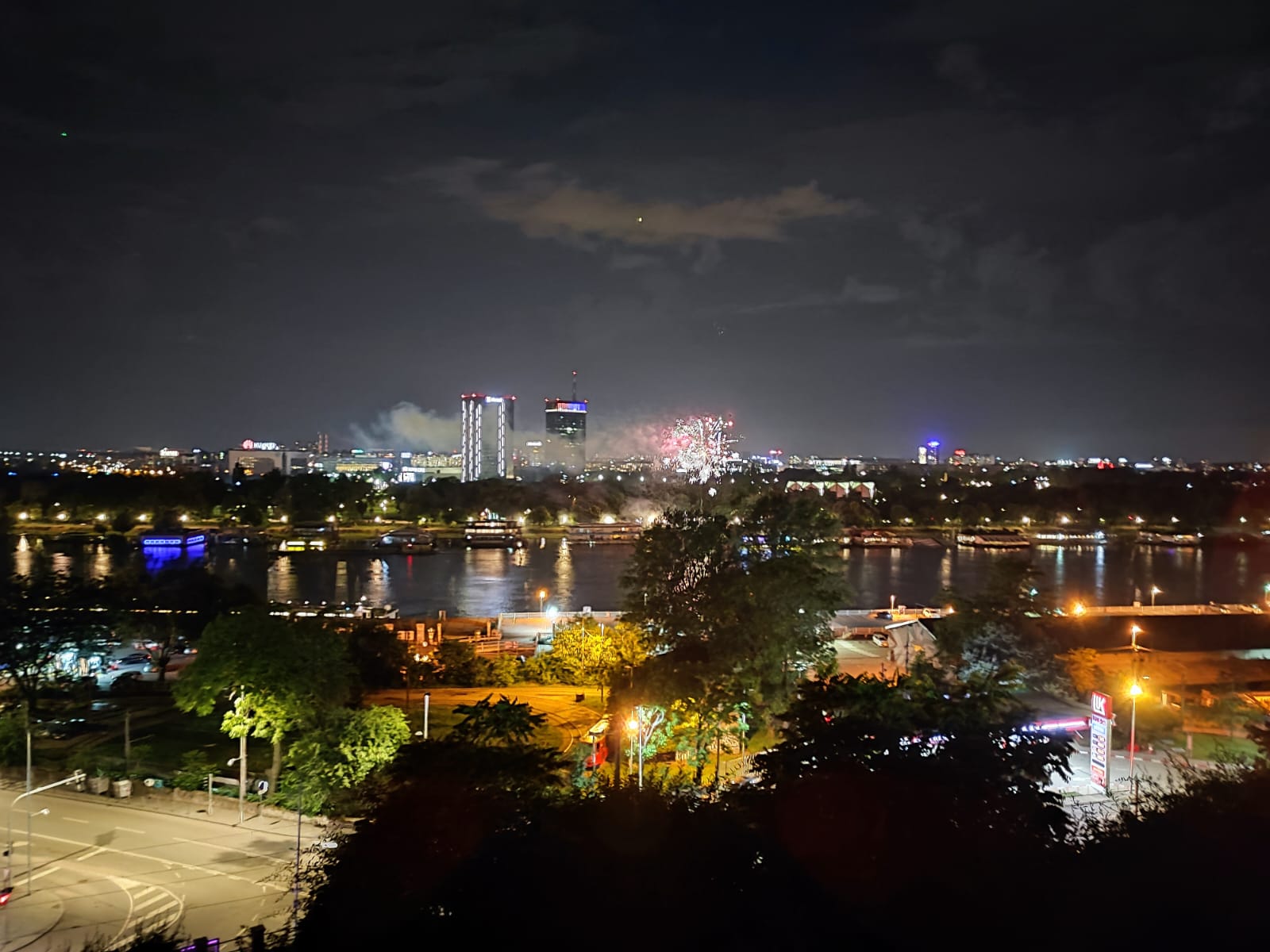
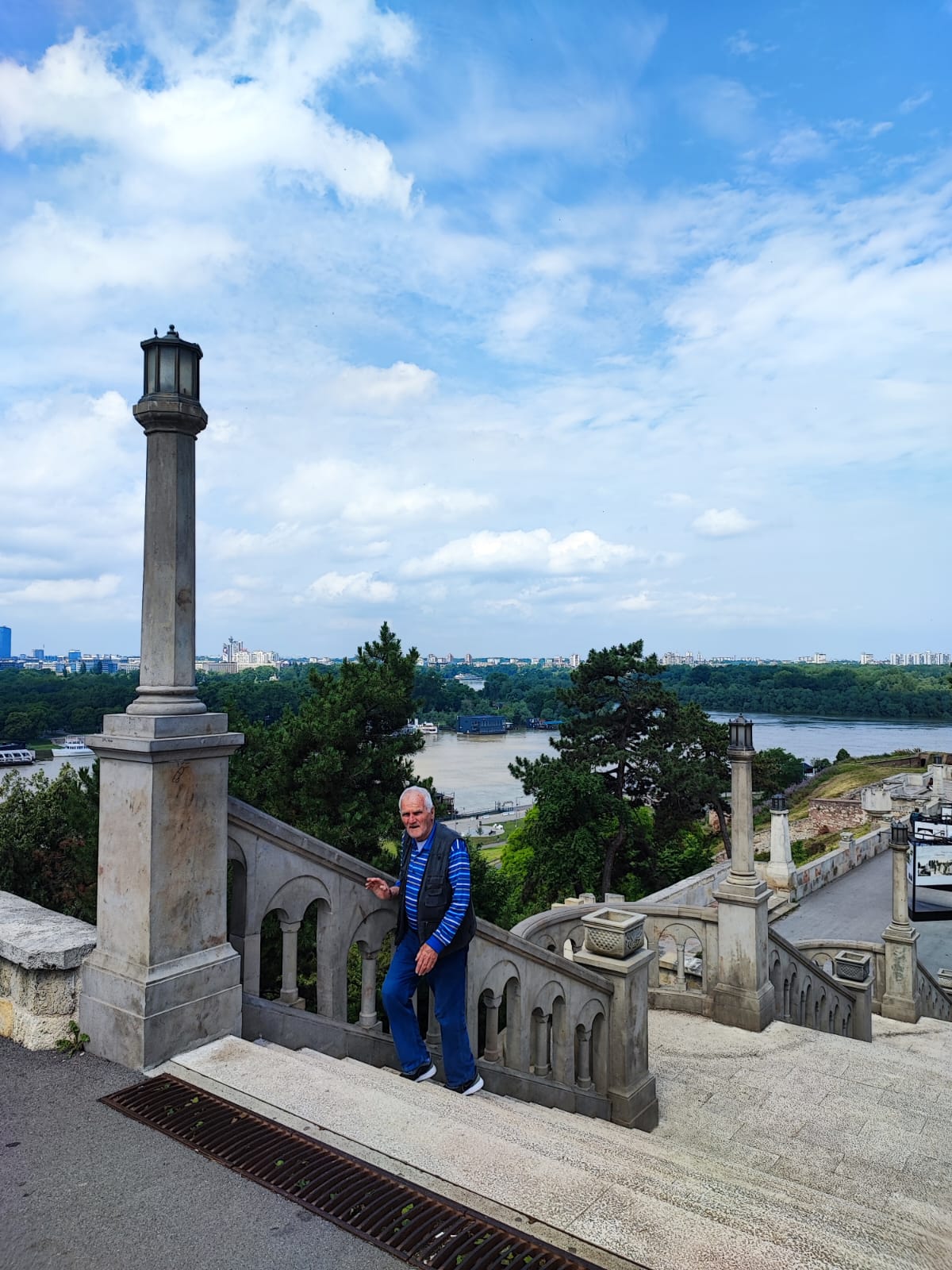
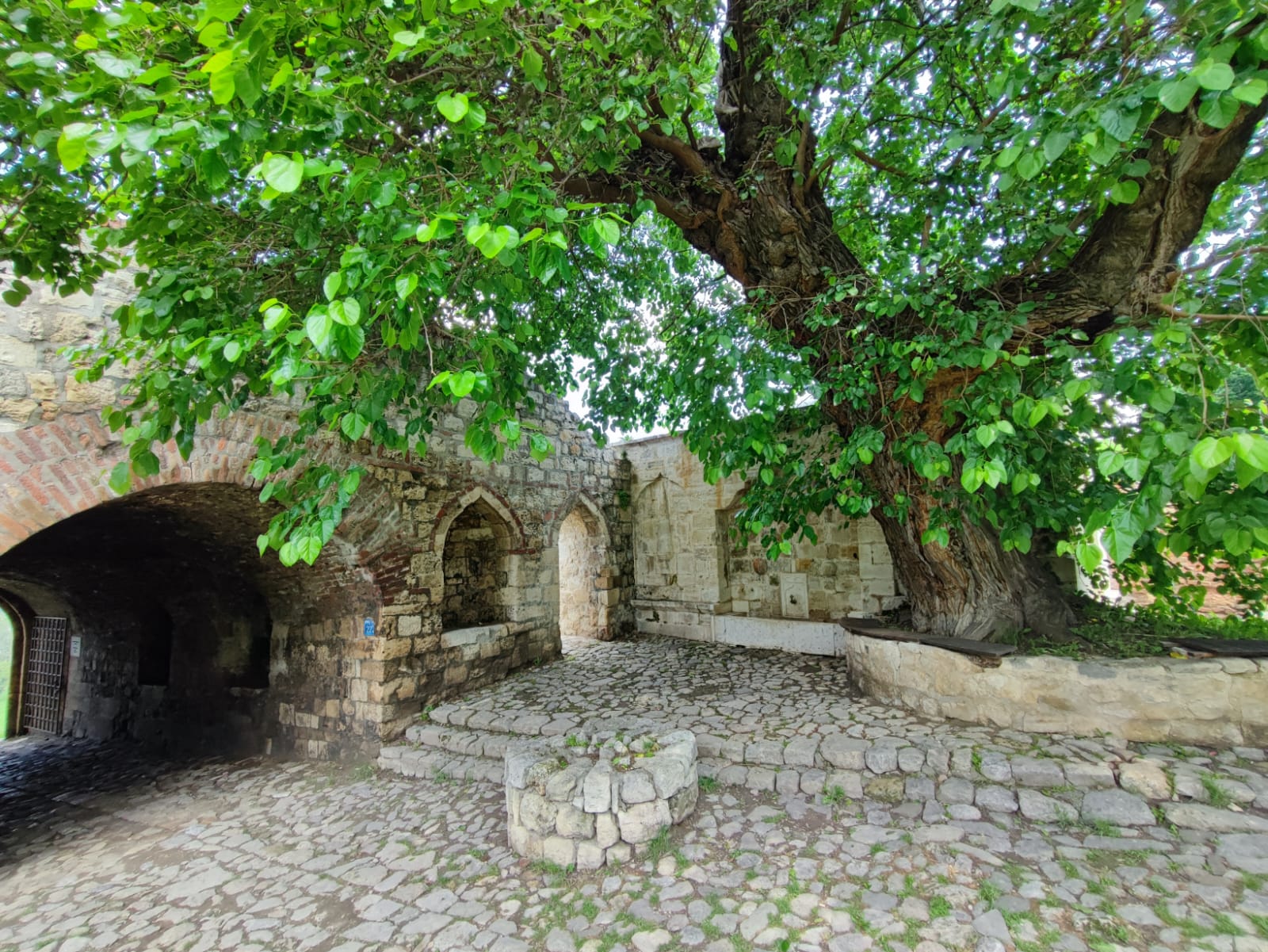
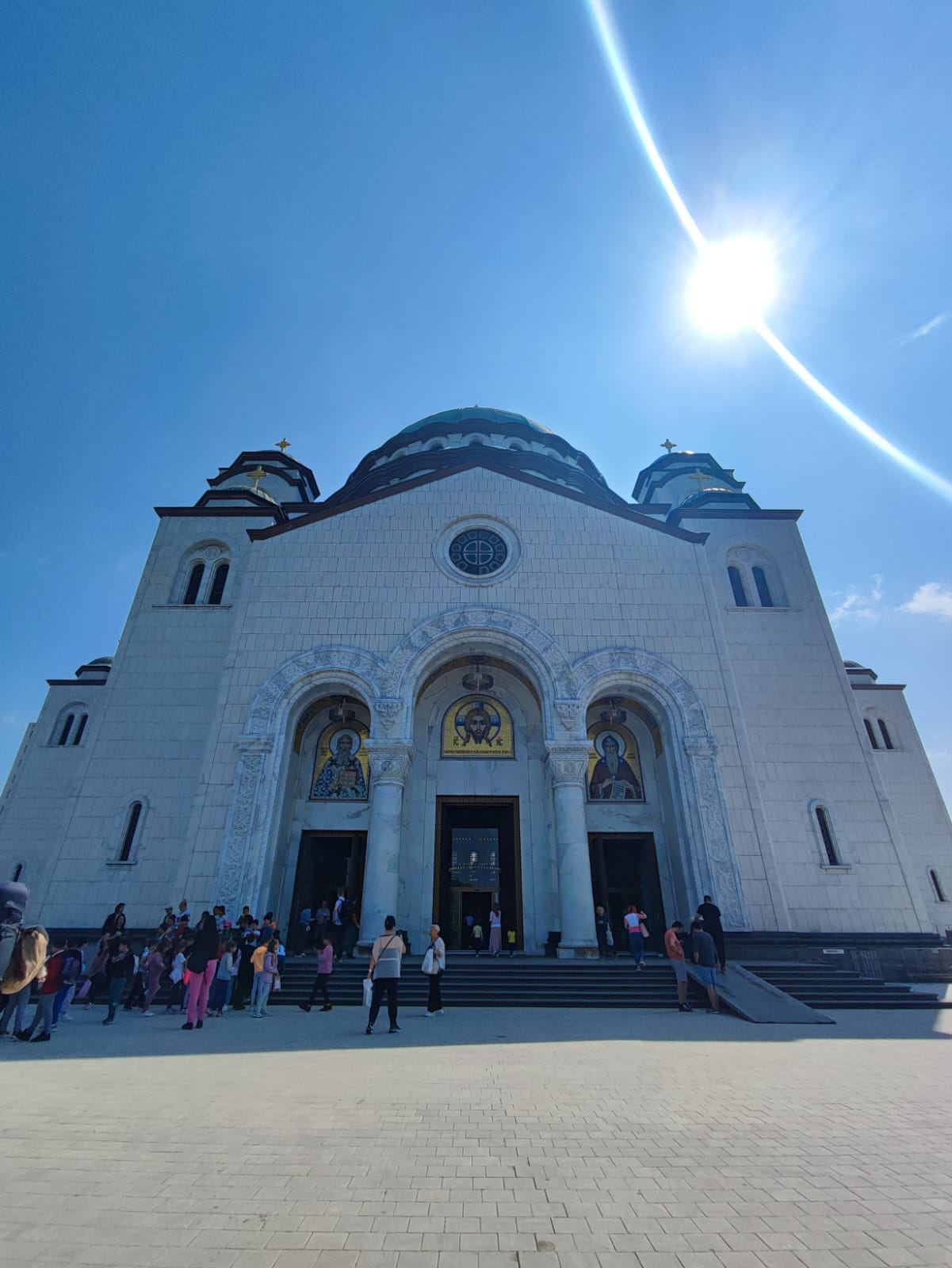
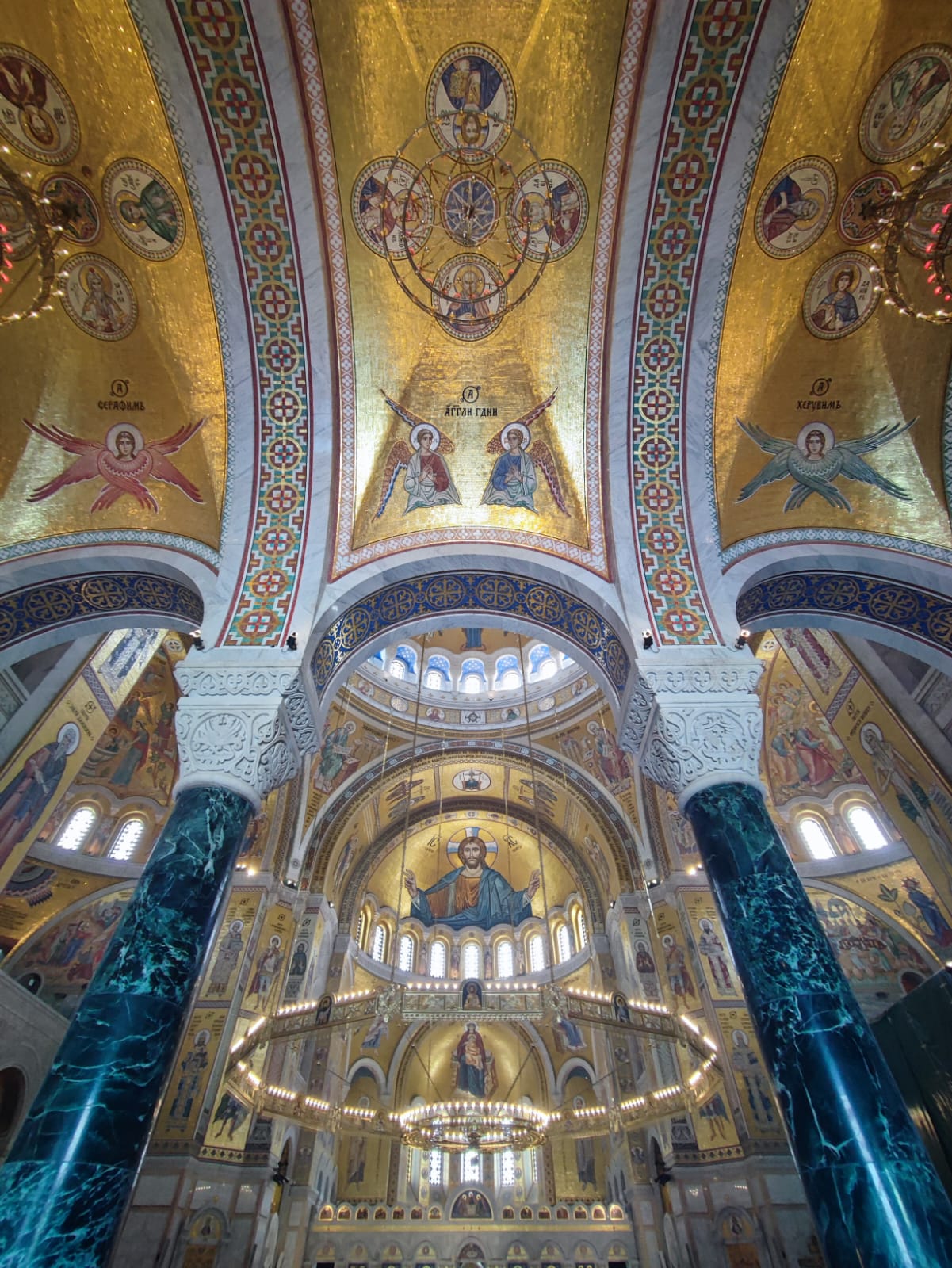
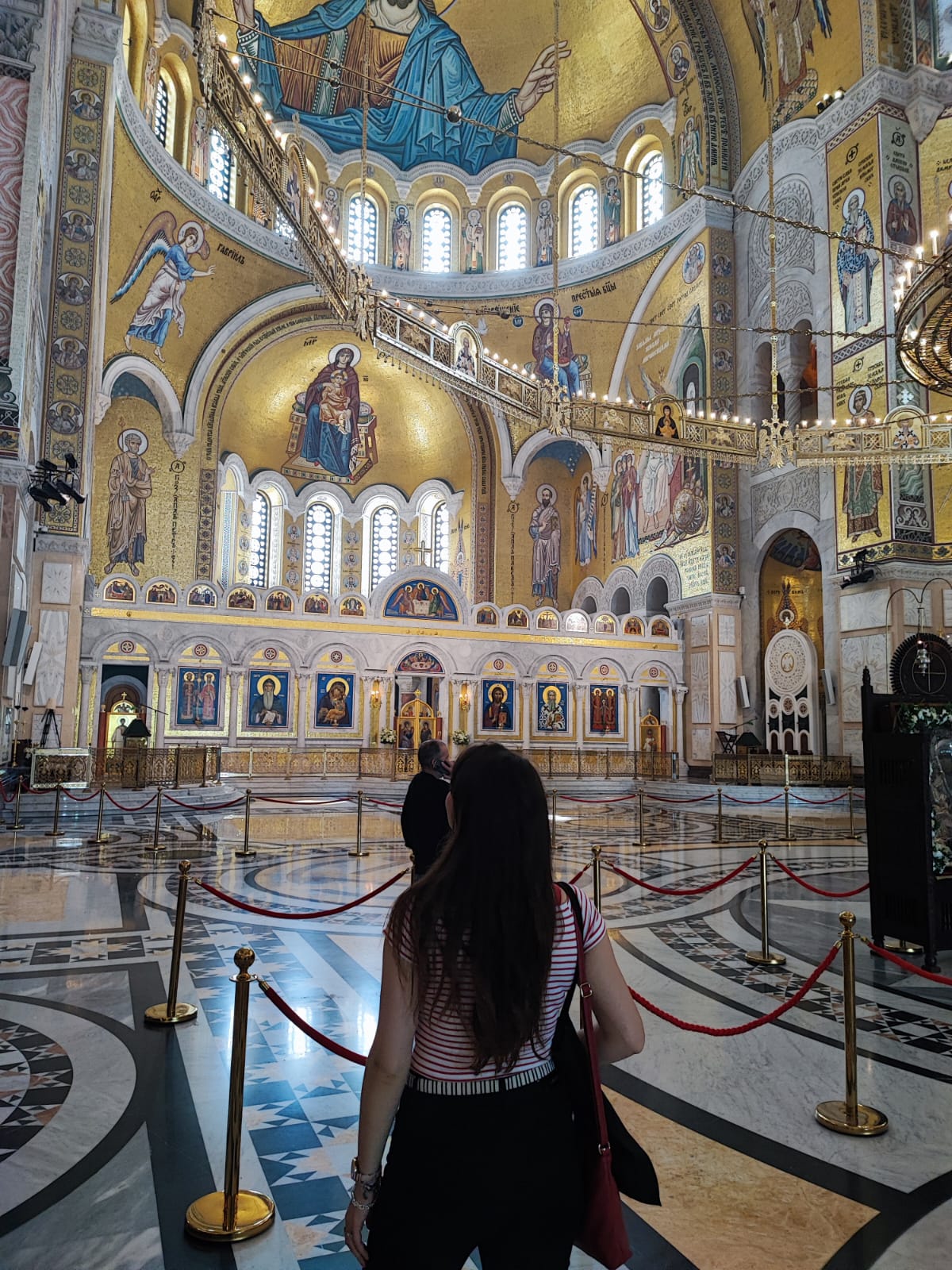
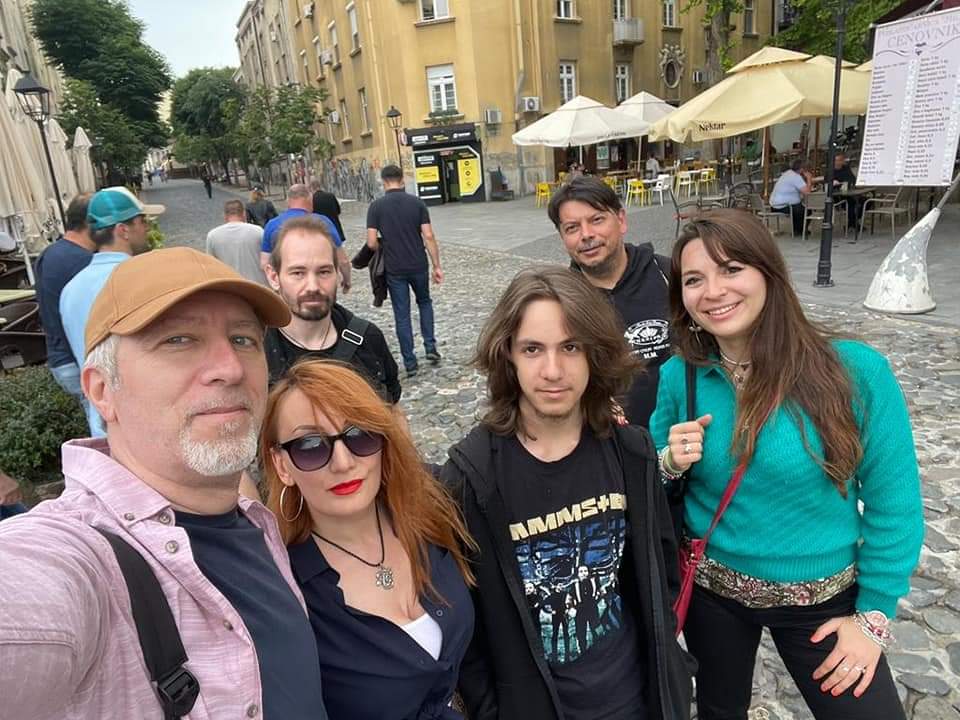
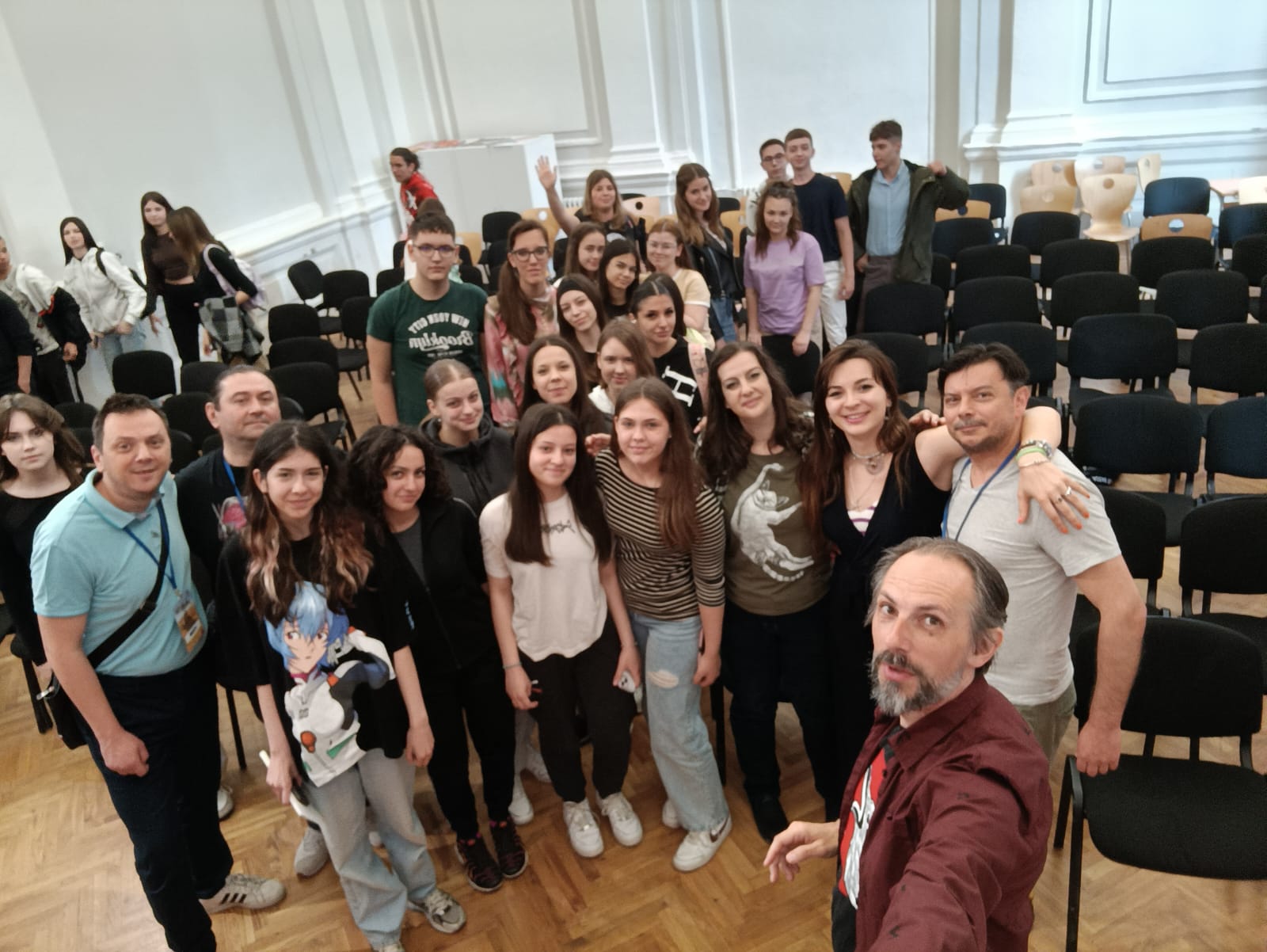
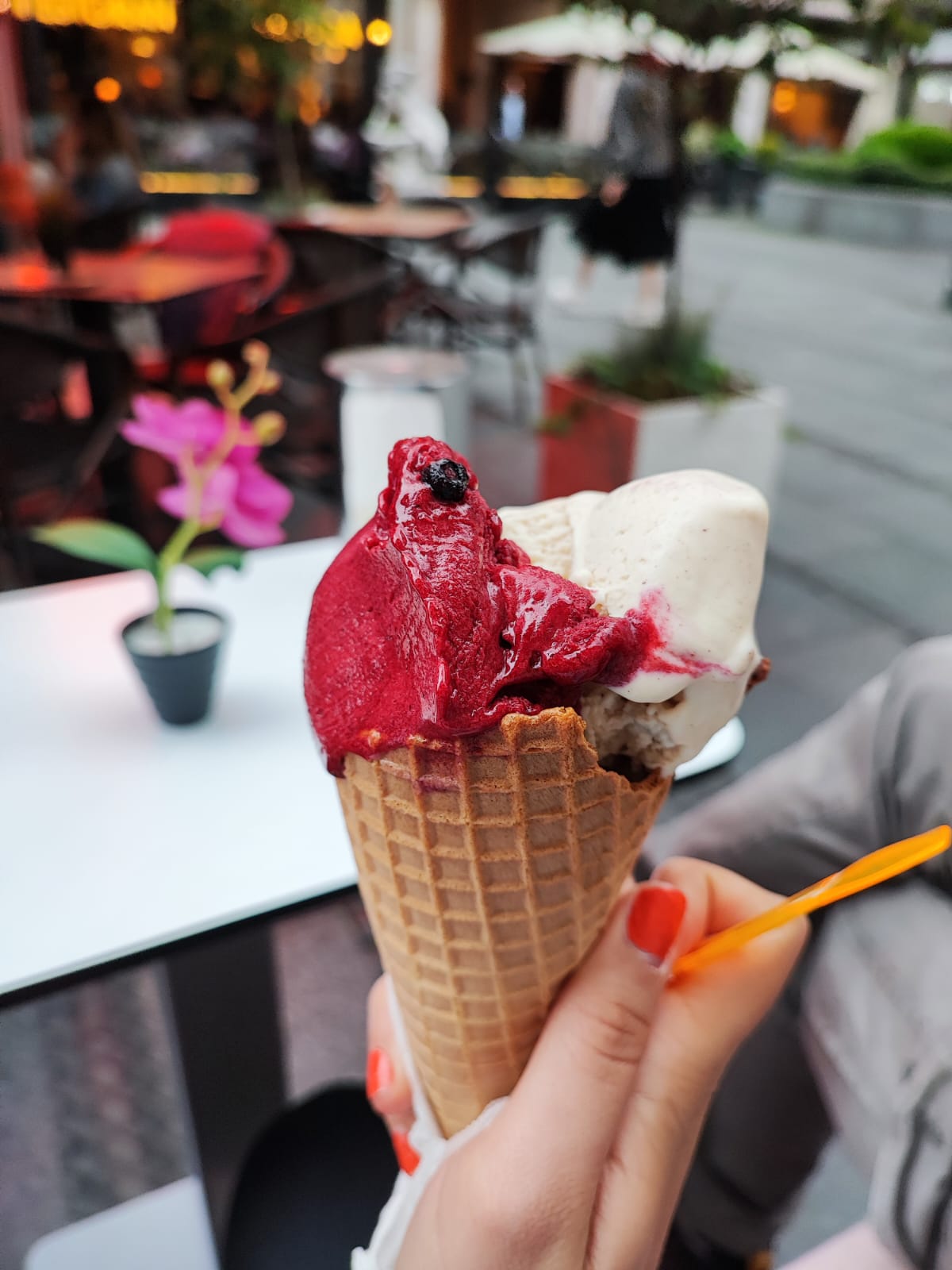
WhatsApp Image 2023-07-20 at 11.33.57 (2) È la seconda volta che mi ritrovo in Serbia, uno di quei paesi di cui non si sente mai parlare e dove i riflettori del turismo di massa faticano ad arrivare, e forse è un bene, perché, a parte ovviamente la cosmopolita e moderna capitale, Belgrado, i ritmi del vivere quotidiano, le abitudini contadine e le tradizioni locali sono rimasti immutati. Ormai i Balcani li conosco bene, sono stata diverse volte in Bosnia, Montenegro, Bulgaria, Slovenia e Croazia, e quasi sempre per una motivazione precisa: stripafest, ovvero festival di fumetti. Nei Balcani infatti da tempo si tramanda prosperamente una lunga tradizione fumettistica, certamente legata al doppio valore artistico/letterario associato alla Nona Arte. Io non c’entro niente coi fumetti, non li disegno, non li leggo, non mi piacciono neanche molto onestamente… però il mio fidanzato è un disegnatore di Zagor, proprio il personaggio più amato nei Balcani insieme al Grande Blek e ad Alan Ford, per la casa editrice Sergio Bonelli, e così, quasi per caso, sono diventata anch’io un’assidua frequentatrice di questi affascinanti paesi al di là dell’Adriatico. E il merito è della generosità di queste persone, che desidero ringraziare di cuore, perché, nonostante io non sia una disegnatrice, in questi anni mi hanno sempre invitata ai loro festival e trattata come un’ospite di riguardo, occupandosi di me in tutto e per tutto. Hiljadu hvala prijatelji! Grazie mille amici! WhatsApp Image 2023-07-20 at 11.33.54 (1) La prima volta che sono stata in Serbia è stato un anno fa, a Niš, città nel sud del paese, a confine con la Bulgaria, e difatti in quell’occasione ho visitato anche la maestosa capitale Sofia, ma di questo non ci occupiamo adesso. Mi ricordo che le mie prime impressioni erano di stupore. In Italia abbiamo un po’ di pregiudizi su questi paesi, ce li immaginiamo come dei covi di zingari carichi di tintinnanti bracciali rubati che vivevano in baracche fatiscenti a gruppi di dieci. O almeno, io me li immaginavo così. Come mi sbagliavo… Certamente ci sono anche gli zingari e i quartieri degradati, un po’ come in tutte le grandi città e le zone povere del mondo, però c’è molto di più. C’è sempre molto di più, basta saper guardare e vincere la paura dettata dai pregiudizi e dall’ignoranza. Che strano paese la Serbia. È piccolo, senza sbocchi sul mare, con un terzo della densità della popolazione italiana, oltre l’80% di abitanti di religione cristiano ortodossa, stato sovrano soltanto dal 2006, anno in cui si sciolse dal Montenegro. Le città principali si riassumono in Belgrado, ovviamente, Novi Sad, Niš, Leskovac e Subotica. Nei ristoranti si mangia carne in abbondanza a prezzi stracciati, tante insalate greche o srpske, serbe, appunto, pesce di lago, srpski hleb, pane serbo, pljeskavica, ovvero l’hamburger balcanico e la baklava, dolce a base di pasta fillo e frutta secca intriso di miele. WhatsApp Image 2023-07-20 at 11.33.58 WhatsApp Image 2023-07-20 at 13.57.21 (1) I serbi sono gentili, accoglienti, sorridenti. Però non ti sanno mai dare informazioni, sono pessimi nell’organizzazione e non parlano inglese, a parte qualche formidabile cigno nero come il mio amico Ivan. E se tu dici loro che il serbo non lo parli, loro si infervorano in discorsi animati e si innervosiscono sempre più mentre ti ripetono per l’ennesima volta quella frase in serbo che tu, stupido che non sei altro, non vuoi capire. Sono buffi gli uomini, con i loro grossi pancioni da birra e i codini unti come non vanno più di moda da decenni, i visi spigolosi e i modi alla buona, il bicchierino di rakija (superalcolico simile alla grappa, solitamente prodotto con l’uva e largamente diffuso in tutti i Balcani) o di slivovitz (acquavite serba alla prugna) sempre in mano. Alcuni ti fanno venire voglia di controllare se hai ancora il portafoglio, ma la maggior parte ti stuzzica la curiosità di scambiarci due chiacchere, come con gli orsacchiotti dolci come Dušan, che parla italiano meglio di molti italiani veri e che insegna al liceo linguistico di Niš come fosse una missione. Lui, che, non pagato, ci ha fatto da interprete con gli organizzatori del festival entrambe le volte, ci porta in giro tra un impegno e l’altro e riesce anche a intavolare discussioni sulla situazione politica del Kossovo mentre si beve una birra e traduce i discorsi che ci fanno gli altri serbi infervorati. Molte donne hanno i labbroni gonfiati dall’estetista, il voluminoso seno ben esposto a sguardi indiscreti, i capelli rigorosamente tinti e allungati con le extension, lunghe unghie affilate, ciglia finte, minigonne… poi ovviamente molte altre donne invece sono semplicemente loro stesse, ma effettivamente mi rendo conto che da queste parte l’attenzione all’estetica femminile è elevata. Gli standard richiedono certe caratteristiche, l’essere magre ma con le forme nei punti giusti, avere gli zigomi alti, le labbra carnose, i capelli lunghi… e in questa parte nel modo sembra ci tengano particolarmente a possederle. C’è poca gente in giro e pochi colori, a parte le bandiere rosse, bianche e blu (pericolosamente somiglianti a quelle russe) che sventolano ovunque, è tutto abbastanza grigio a dire il vero, come grigio è il loro umore ogni volta che si toccano certi argomenti, non pochi in effetti: politica, presidente, Kossovo, istruzione, sbocchi professionali, attività culturali etc etc. Si denota una certa delusione riguardo al modo in cui il loro paese è gestito, alcuni mi confidano di odiare il presidente, altri di non sopportare i loro conterranei, altri ancora di sentirsi abbandonati a loro stessi dallo Stato. Prendiamo ad esempio Milan, che ha un negozio di piercing e tatuaggi all’interno di un labirintico centro commerciale. Ogni volta che lo vediamo ci ribadisce che la Serbia gli ha tolto il futuro, e che la Serbia stessa non ha futuro, che lì l’arte, la cultura e la creatività non vengono apprezzate, che la diversità è vista di malocchio, che lo Stato tarpa le ali a quelli come lui, i sovversivi. Che non ci sono soldi, i diritti non sono tutelati, che il paese è centralizzato su Belgrado, che c’è troppa corruzione in giro, che non si investe abbastanza sui giovani, sull’insegnare loro l’inglese e farli uscire dalla loro bolla isolazionistica… ma lui resiste, qualcuno deve pur farlo, ammette. WhatsApp Image 2023-07-20 at 11.33.56 (3) WhatsApp Image 2023-07-20 at 13.57.21 Sono l’unica ragazza ventenne in mezzo a uomini cinquantenni, sessantenni. In questi festival io non c’entro proprio nulla. Ma forse è proprio perché non c’entro nulla che mi piace andarci e continuo a tornarci. Perché è tutto improbabile, assurdo, inaspettato. Io, che gli unici fumetti che abbia mai letto nella mia vita sono alcuni libretti con le bellissime donne di Manara, io, che reputo gli albi della Bonelli datati e noiosi, sempre io me ne sto per ore con sguardo perso ad ascoltare degli omoni che si parlano addosso in serbo e non la finirebbero mai se non fosse per un languorino che fa loro desiderare rakija e costolette di maiale a volontà. Il leit motif di questo paese sembra essere 5 MINUTI. Ti dicono sempre wait 5 minutes, just 5 minutes, ma 5 minuti non sono mai, minimo 30, se non un’ora o pure di più. Sono ritardatari nati. Almeno tutti quelli con cui ho avuto a che fare io. Già dall’arrivo in aeroporto a Belgrado ho potuto constatarlo. Ho chiamato Vlada, il signore che l’organizzazione ci aveva mandato per recuperarci in aeroporto e portarci fino a Niš. La prima volta mi ha detto: “5 minutes I’m there. Wait.” Abbiamo aspettato mezz’ora, ancora niente. Marcello voleva fare il bravo bambino paziente e comprensivo, per cui mi diceva: “no Eli, non insistere, ha detto 5 minuti, lo so, ma vedrai, starà arrivando, ci sarà traffico, sono sicuro che ora sbuca fuori e si scusa per il ritardo”. E io, rassegnata, decido di tentare anch’io di essere paziente e comprensiva, per non rovinare il viaggio già da prima di iniziarlo. Però passano altri 5 minuti, poi 10, 15. Insomma, Dio mio, ma possibile che solo per me 5 minuti siano DAVVERO 5 minuti?! Lo richiamo e lui, imperturbabile, quasi stupito di sentirmi ancora, mi dice “I said 5 minuts. I’m coming”. Alchè, dopo un’altra mezz’oretta dalla seconda chiamata, iniziamo davvero a perdere la pazienza entrambi e chiamiamo i responsabili dell’organizzazione. Epilogo, anche loro ci dicono di aspettare 5 minuti e noi, rassegnati, aspettiamo. Questa volta l’attesa è presto ricompensata dall’arrivo di Vlada che, in un’improvvisa fretta dovuta al timore di farci arrivare tardi al festival, ci trasporta sani e salvi, e un po’ sballottati, a destinazione. Il festival si rivela un flop come sempre, non c’è organizzazione, nessuno ha fatto pubblicità all’evento, in giro per le strade non si vede neppure una locandina che incoraggi i visitatori ad andare alle mostre, gli ospiti invitati non hanno niente da fare in programma, se non andare a zonzo e bere birra, e ci sono sempre i soliti signori dalle barbe lunghe che abbiamo incontrato anche in Bosnia e in Montenegro, però la passione e la dedizione di questa gente mi lascia a bocca aperta, la loro umanità e ospitalità mi rincuorano. La prima sera ci allontaniamo dieci minuti perché io ho fame, strano, e loro sono in ritardo con la cena, strano, per andare a comprarmi un bel bombolone ripieno di cioccolata, così, come antipastino alle 21.30 di sera, e loro si dimenticano di noi. Quando poco dopo ritorniamo al festival non c’è più nessuno, se ne sono andati tutti all’altra esposizione che si trova dall’altro lato della città. Noi non abbiamo la macchina, ci avrebbero dovuto portare loro. Così li chiamiamo, mentre io inizio a sentire i sensi di colpa per la bomba calorica appena ingerita, e loro, me li vedevo proprio, si danno una pacca in testa per la sbadataggine. Ma certo! I nostri ospiti d’onore! Come abbiamo fatto a dimenticarci di loro! Così ci mandano un taxi e si ripete la solita infinita tiritera dei 5 minutes che 5 minutes non sono mai. Dopo forse 40 minuti riusciamo a raggiungerli. L’evento è ormai finito, ed è tempo di andare a cena, ma io, oramai, ho perso l’appetito. WhatsApp Image 2023-07-20 at 13.57.21 (2) Sono in un bar con M. e tre serbi, ci sono diverse biciclette appese sulle pareti affianco ai grotteschi disegni incorniciati di Predrag, uno dei signori con cui sono seduta al tavolino, li ho appena conosciuti nella strada dietro al locale, erano amici del nostro enorme (letteralmente) amico, nonché mio piercer di fiducia, Milan. Una voce femminile canta in sottofondo Life on Mars di David Bowie, le luci sono soffuse, si sta facendo buio fuori, per la strada passano un bambino che insegue una palla, una anziana signora in bicicletta, un gatto spelacchiato. Mentre loro vanno di grappe e patatine io mi bevo una cioccolata calda che mi lascia un po’ perplessa, in quanto zeppa di biscotti sbriciolati al suo interno. Un pomeriggio di ozio, scambi di opinione e sguardi sul mondo, ore a chiaccherare e a rilassarci sui comodi divanetti del locale dopo la frenesia della mattinata in giro tra mostre di fumetti, incontri didattici nelle scuole, centri commerciali e il parco memorial Bubanj, dedicato alle vittime, ivi sepolte, del parco di concentramento nazista a pochi chilometri di distanza. WhatsApp Image 2023-07-20 at 11.33.58 (1) WhatsApp Image 2023-07-20 at 11.33.58 (2) Sì, la Serbia è un paese tetro, è tetro perché i luoghi di interesse sono tutti in qualche modo legati alla morte: oltre al campo di concentramento e al parco già citati, c’è la Cele Kula, la Torre dei Teschi, poco fuori dal centro della città, costruita dagli Ottomani nel 1809 dopo la battaglia di Cegro. La torre un tempo annoverava tra i suoi mattoni più di 500 teschi di soldati serbi rimasti uccisi nella battaglia, ora se ne contano una decina a malapena. Se vai con una guida questa sarà felice di indicarti quali teschi appartenevano a ragazzi di appena 15/16 anni, e quali invece a ragazzi grandi di 20 anni: i soldati infatti erano tutti giovanissimi. Un macabro avvertimento dei turchi a dimostrazione di cosa accade a chi si mette contro di loro. In realtà questa non è l’unica torre che abbiamo visitato. Il nostro amico Dušan, il professore, una mattina è stato così gentile da accompagnare noi, il formidabile artista 3D (dovreste vederli i dipinti che realizza in giro per tutta Europa! Sembra che i personaggi sbuchino fuori dal pavimento pronti per saltarci addosso!) e caro amico Milivoj e sua moglie Katarina (tutte persone assolutamente squisite) a visitare la torre di Čegar, nella florida campagna ad appena mezz’ora di macchina da Niš. La torre è stata costruita in onore del duca Stevan Sinđelić e di tutti i coraggiosi serbi che combatterono con le unghie e con i denti contro i terribili turchi, sacrificando le loro vite per la patria. Saliamo sulla torre e da là la vista si rivela davvero mozzafiato: un’immensa valle verde e rigogliosa ci avvolge dolcemente. Non voglio più scendere di lì, ma, come sempre, anche le cose belle devono finire. L’eccentrico ed ospitale signor Selomir è il custode del sito e, prima di raccontarci la storia della sanguinosa battaglia, ci invita tutti a sederci al suo tavolo, a metà mattina, per bere il caffè bollente appena preparato da lui in persona e la rakija contenuta in un dispenser a forma di torre con sopra raffigurate aquile e combattenti. Ci offre anche le ciliegie da lui colte negli alberi che circondano il luogo e dolcetti locali ricoperti di candido zucchero a velo. Io, che non bevo alcolici né caffè e mi sento ancora in colpa per quel maledetto bombolone, vado di ciliegie, e devo dire che sono davvero deliziose. Che personaggio che è. Il viso abbronzato solcato da profondissime rughe, una voluminosa chioma bianca immacolata, una bucherellata giacca blu oltremare sopra a tre camicioni sblusati e una dentatura che farebbe sfregare le mani a qualunque dentista. Ma dovreste vederlo quando arriva il suo momento, là difronte alle scolaresche in visita alla torre, decine e decine di bambini e ragazzi, che sventolano piccole bandiere serbe e lo ascoltano trattenendo il fiato. E lui, con gesti teatrali e toni da baritono, racconta, mi dice Katarina ridacchiando, con una serie di esagerazioni ed iperboli, le grandi gesta dell’esercito serbo. È un bel posto, quello. Dopo aver ringraziato e salutato Selomir, che ci tiene a regalarci un libretto sulla torre scritto da lui e con un’enorme foto del suo faccione, e ovviamente, il suo autografo con dedica personalizzata, ci avviamo in discesa verso il fiume e, seguiti da uno scodinzolante cagnotto felice, raggiungiamo una chiesa ortodossa davanti alla quale Dušan si premura di spiegarci le differenze che intercorrono tra le chiese cristiane ortodosse e quelle cattoliche. Dopodiché esploriamo la zona, è tutta natura lì, si sta benissimo, non fa caldo come in città, anzi, mi devo persino mettere un maglioncino. Katarina trova un quadrifoglio e, esultante, me lo mostra. Io le dico sconsolata che non ne trovo mai di quadrifogli. Lei allora mi lancia un sorriso furbetto e si rimette a frugare tra i fili d’erba fino a che, sorprendendo tutti, trova un altro quadrifoglio e lo porge a me sussurrandomi all’orecchio che nessuno saprà mai che non l’ho trovato io. WhatsApp Image 2023-07-20 at 11.33.56 WhatsApp Image 2023-07-20 at 11.33.57 (1) WhatsApp Image 2023-07-20 at 11.33.56 (1) WhatsApp Image 2023-07-20 at 11.33.56 (2) Con l’amico Milan, grandissimo tifoso di una squadra calcistica di Belgrado, dopo che mi ha fatto il mio terzo piercing serbo, visitiamo un campo di concentramento nazista nel centro della città. Ora è vuoto, un museo coi resti di chi è passato di lì, un luogo di resistenza e memoria, un tempo prigione, inferno, luogo di annientamento e disumanizzazione. Il museo è ben allestito, è pieno di documentazione originale sulla vita dei detenuti, larghi pannelli appesi ai muri ci raccontano la vita, o meglio, l’incubo, delle migliaia di anime che hanno visto spegnersi le loro speranze in quel luogo oscuro. Leggiamo dei fucilamenti aleatori, dei leggerissimi indumenti di lino quando la temperatura scende sotto lo zero, delle razioni ridotte a un pugno di riso insipido, delle madri separate dai figli, di quelli che hanno lottato fino all’ultimo ma non ce l’hanno fatta, delle evasioni andate a buon fine, delle torture inflitte senza spiegazioni, delle umiliazioni quotidiane, dei capelli rasati, dei volti dimenticati. Ogni tanto mi scende una lacrima, e mi sovvengo di quanto sia breve il passo dall’inseguimento di un ideale alla realizzazione di un abominio. In quei giorni tutti si domandano come sia possibile che un ragazzino di 12 anni possa uccidere dieci compagni di classe nella sua scuola e ferirne decine di altri. E come, in quello stesso giorno, la sera, un altro ragazzino possa commettere una strage simile. È la cultura della violenza, mi dicono, negli Stati Uniti sono abituati, in Texas c’è una sparatoria un giorno sì e uno no. Ma qui da noi, noi che siamo i resti dell’ex Jugoslavia, noi che abbiamo una cultura filosovietica, cosa c’entra con noi questa insensata violenza? È colpa della TV, dei media, dei film di Tarantino, delle notizie al TG, dei fumetti splatter, della diffidenza che si sta spargendo a macchia d’olio tra le persone, dell’odio che chi ci governa incita in noi, della mancanza di empatia, di valori, di contatto con la realtà, di distinzione tra Bene e Male. Sabato mezza Serbia andrà a Belgrado per protestare, si faranno ore e ore in autostrada su bus gremiti di gente sudata e puzzolente per il caldo anomalo di queste settimane, ma secondo te, servirà a qualcosa? Io credo di no. In Serbia protestiamo, protestiamo, ma niente cambia mai. Siamo un paese fossilizzato nel suo passato, stiamo morendo, mi dicono. Una sera a cena mi ritrovo seduto davanti a me il signor Stefanovic, un omone grosso e barbuto, un intellettuale da quel che ho capito (anche perché gli ospiti del festival, a parte me, sono tutti disegnatori, sceneggiatori o intellettuali). Sono già le 22.30 ed io sto morendo di fame. Come al solito quelli dell’organizzazione ci hanno fatto aspettare un’eternità prima di portarci al ristorante. Ogni volta che chiedevo tra quanto saremmo andati a cena mi rispondevano 5 minutes, oramai ero rassegnata. Ci portano enormi insalate di cavolo, pomodoro, cipolla, cetriolo e feta e io mi ci fiondo senza ritegno. Il signor Stefanovic, che a quel punto si è già bevuto due rakije e due coca-cola, non tocca l’insalata e mi rassicura di non preoccuparmi per lui, che avrebbe mangiato la carne. E così è. Io la carne non la tocco neppure, tanto ci pensano gli uomini. Stefanovic mi guarda divertito quando gli dico che dovrebbe mangiare un po’ di verdure anche lui e mi dice “I don’t have vices at all. I don’t smoke, I don’t drink, I don’t gamble, I don’t overeat, I don’t curse. I only have one little flaw: I am a big liar” (Non ho nessun vizio. Non fumo, non bevo, non scommetto d’azzardo, non mi abbuffo, non impreco. Ho solo un piccolo difetto: sono un gran bugiardo). Poi mi chiede secondo me perché non si taglia mai la barba. Io resto un attimo perplessa, suppongo perché gli piace così, gli rispondo. Lui scuote la testa. “Because this way when people want to address me they are more likely to say the beard guy instead of the fat guy” (perchè così quando qualcuno vuole riferirsi a me è più probabile che dica “il tizio con la barba” invece che “il tizio grasso”) e scoppia a ridere compiaciuto della sua genialità. Mi è simpatico da subito. Ci invita anche al suo festival di Sombor, città al confine con l’Ungheria. Il ragazzo seduto affianco a lui mi confessa che queste battute la racconta ogni volta che incontra persone nuove, è il suo biglietto da visita. Ci tiene a che si sappia che non si preclude niente nella sua vita, ed è felice così. Dopo Niš ci rechiamo a Belgrado, questa volta svincolati da impegni lavorativi (comunque ridotti all’osso per M. e assolutamente nulli per me) e compagnie varie, desiderosi di scuoterci di dosso il torpore del sonnolento festival e delle serate passate a mangiare fino allo sfinimento. Resto stupita nel ritrovarmi difronte una città così cosmopolita e vivace, brulicante di giovani, turisti, artisti di strada. In ogni via ci sono almeno un paio di antiche librerie, ne visito qualcuna e in men che non si dica mi resta in mano un manuale per imparare il serbo (ho un po’ il pallino per le lingue), ora rigorosamente impilato nella mia libreria tra il manuale di hindi e urdu e quello di olandese (quest’ultimo ancora da aprire). Il quartiere Skadarlija sarebbe il quartiere bohémien della città, una specie di Montmartre di Parigi, e con le sue vie acciottolate, i locali raffinati e le pareti degli edifici affrescate un po’ mi conquista, ma mai come la vista che si ha dalla maestosa fortezza di Belgrado, chiamata Kalemegdan, sul punto in cui il fiume Danubio incontra la Sava. La prima sera lì abbiamo visto pure i fuochi d’artificio, mentre intorno a noi i giovani ballavano su ritmi pop, succulenti profumini di zucchero filato e hamburger si mescolavano all’aria tiepida della notte, coppiette innamorate si scambiavano segreti d’amore sulle panchine che si stagliano sul fiume e, più in là, l’orizzonte. È una serata magica, mi sento euforica, felice con tutto il cuore, vorrei non finisse mai. WhatsApp Image 2023-07-20 at 11.33.53 (1) WhatsApp Image 2023-07-20 at 11.33.53 WhatsApp Image 2023-07-20 at 11.33.55 (2) WhatsApp Image 2023-07-20 at 11.33.53 (2) WhatsApp Image 2023-07-20 at 11.33.55 WhatsApp Image 2023-07-20 at 11.33.55 (1) Il giorno dopo visitiamo la fortezza alla luce del sole, esploriamo la parte all’aperto del museo della guerra, passiamo davanti al Parlamento, il celebre e lussuoso Hotel Mosca, Piazza della Repubblica con il suo sontuoso monumento al principe Milhaio, punto di riferimento e d’incontro per tutti i giovani della città. Il pomeriggio ci riposiamo su una panchina in un parchetto pieno di ragazzini e io, che mi sono stesa per il lungo con la testa appoggiata allo zainetto e i piedi su M., mi addormento in un batter d’occhio e dormo fintanto che lui non mi sveglia delicatamente dicendomi che è ora di proseguire il tour. WhatsApp Image 2023-07-20 at 11.33.54 WhatsApp Image 2023-07-20 at 11.33.54 (2) Il giorno dopo ancora mi impunto sul cercare il Museo Nikola Tesla, dedicato al geniale inventore (1856-1943) dei motori elettrici a corrente alternata. Nessuno di noi due ci capisce nulla di fisica, però dai, siamo nella sua città, non possiamo non onorarlo con una visita al suo museo. Con l’aiuto di Google Maps lo troviamo, ma l’esperienza non risulta così piacevole come speravo. Innanzitutto ci mandano via dicendoci di tornare dopo un’ora, per via del fatto che il numero massimo di visitatori è stato raggiunto. Poi, quando torniamo, ci lasciano ad aspettare sotto al sole cocente per mezz’ora insieme a decine di altri visitatori visibilmente nervosi. Tra l’altro non hanno il bagno, ci dicono, strano… Alla fine entriamo e siamo talmente in tanti che nessuno riesce mai a vedere quali marchingegni della fisica ci sta mostrando la guida. L’unica cosa che vedo, alla fine, è un macchinario che ti dà la scossa elettrica se avvicini la mano abbastanza. Mando avanti M., per capire se si tratta di un dolore sopportabile e lui, impassibile dopo la sua scossa, mi dice che non fa per niente male. Ma quando provo io il dolore mi sorprende e mi spaventa tanto da lasciarmi sfuggire un urlo… neppure il bambino di 5 anni prima di me aveva urlato… Usciamo da questo interessantissimo museo sapendone esattamente quanto prima sulle invenzioni di Tesla (se non che prendere la scossa fa male) e ci dirigiamo al magnifico tempio di San Sava. Dobbiamo camminare per un’altra mezz’oretta sotto il sole, ma ne vale assolutamente la pena. Sorta nel 1935, è la chiesa ortodossa più grande al mondo. Al suo interno si resta sbalorditi dai meravigliosi esempi di arte cristiano ortodossa, l’oro predomina in tutte le raffigurazioni. È pieno di fedeli che, attendendo pazientemente il proprio turno in una fila che arriva fino all’ingresso, rivolgono i loro rituali di preghiera alle immagini sacre che sono collocate in una specie di altarino davanti all’abside della chiesa. Rimango incantata dai gesti carichi di sacralità che, sapientemente, piccoli e grandi eseguono con estrema precisione mentre sono assorti nelle loro preghiere: questo luogo magico mi mette un po’ in soggezione, e mi fa avvertire uno strano vuoto dentro di me. Vorrei potermi sentire anch’io così sinceramente e profondamente devota a un qualche Dio. WhatsApp Image 2023-07-20 at 11.33.52 WhatsApp Image 2023-07-20 at 11.33.51 WhatsApp Image 2023-07-20 at 11.33.50 L’ultima cena decidiamo di dedicarla alla nostra scoperta preferita nella città, ovvero una favolosa gelateria che mi fa dimenticare dei vecchi sacrifici della dieta. Prima mi scelgo un cono grande. Poi, non soddisfatta, un altro piccolo. Però mando M. a prendermelo perché mi vergogno di essere così golosa… ma d’altronde, è la dolce conclusione perfetta per questo indimenticabile soggiorno serbo. La scappata nella capitale è l’occasione buona per rivedere un altro paio di vecchi amici conosciuti durante altri festival in Bosnia e Montenegro. Rispettivamente, Ivan e Selena (lei viene col marito, Ivan anche lui, e il figlio adolescente). Rispettivamente, sceneggiatore e disegnatrice. Lui si veste sempre immancabilmente di nero da testa a piedi, lei ha una chioma rosso fuoco, come rosse sono sempre anche le sue labbra. Mi erano mancati molto entrambi, abbiamo dei così bei ricordi insieme… E così decido di organizzare l’incontro tutti insieme, perché di tempo non ce n’è molto, e i due, che non si conoscevano di persona, a un certo punto si rendono conto che tempo fa si erano scambiati diversi messaggi su Facebook a proposito di un certo altro festival di fumetti e di conoscenze comuni. Da questo momento in poi non la smettono di ridacchiare e raccontarsi aneddoti per noi incomprensibili in quanto, a questo punto, sono ripassati dall’inglese al serbo. Io di nuovo mi perdo nei miei pensieri mentre mi bevo il mio thè alla fragola, e ripenso al simpatico signor Selomir, ai bambini uccisi dall’omicida compagno di scuola, all’agghiacciante torre di teschi, alle rakije, ai dipinti 3D del nostro amico Milivoj, all’incantevole vista sul Danubio dalla fortezza di Belgrado, alla genialità di Tesla, alle grigliate infinite, alla bellezza degli affreschi nelle Chiese, a Dušan che si fa sempre in quattro per noi, alle parole in serbo che sono riuscita ad imparare, al troppo mangiare e al troppo poco dormire, ai quadrifogli di Katarina, alle storie di massacri tra serbi e turchi, a Milan e alla sua ossessione per il calcio, ai giovani che ballano felici per strada, al futuro di questo paese, alla rabbia e all’orgoglio di questo popolo fiero, a tutti i personaggi stravaganti incontrati… e penso che sì, in Serbia mi sento davvero a casa. Con affetto, Elisa. WhatsApp Image 2023-07-20 at 13.57.20 WhatsApp Image 2023-07-20 at 11.33.57 WhatsApp Image 2023-07-20 at 11.33.50 (1)
Featured

Vietnam e Cambogia: diario di viaggio

Le mie impressioni su Vietnam e Cambogia

10 giorni in Vietnam non bastano, come d’altronde per nessun paese bastano pochi giorni per scoprire una cultura, una lingua, delle tradizioni e una società diversi e spesso diametralmente opposti alla nostra. Ma alla maggior parte delle persone di questo mondo non viene dato neppure un giorno a disposizione per visitare l’enigmatico Vietnam o la mistica Cambogia ed io, conscia della mia fortuna, sono grata di questa opportunità.

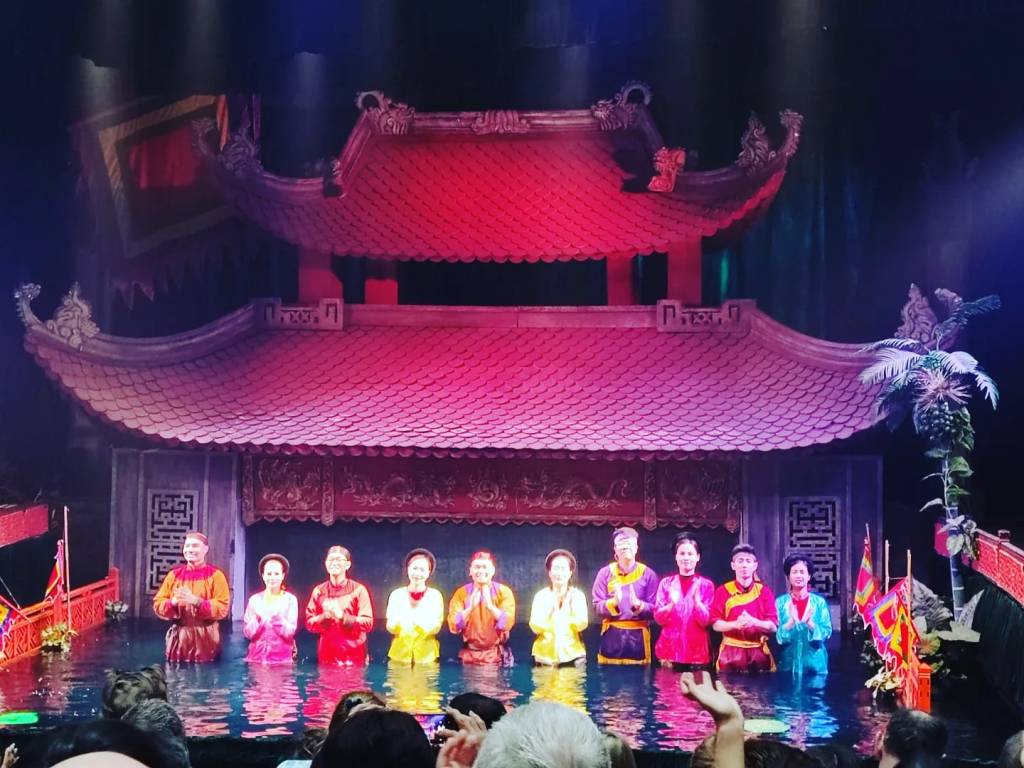
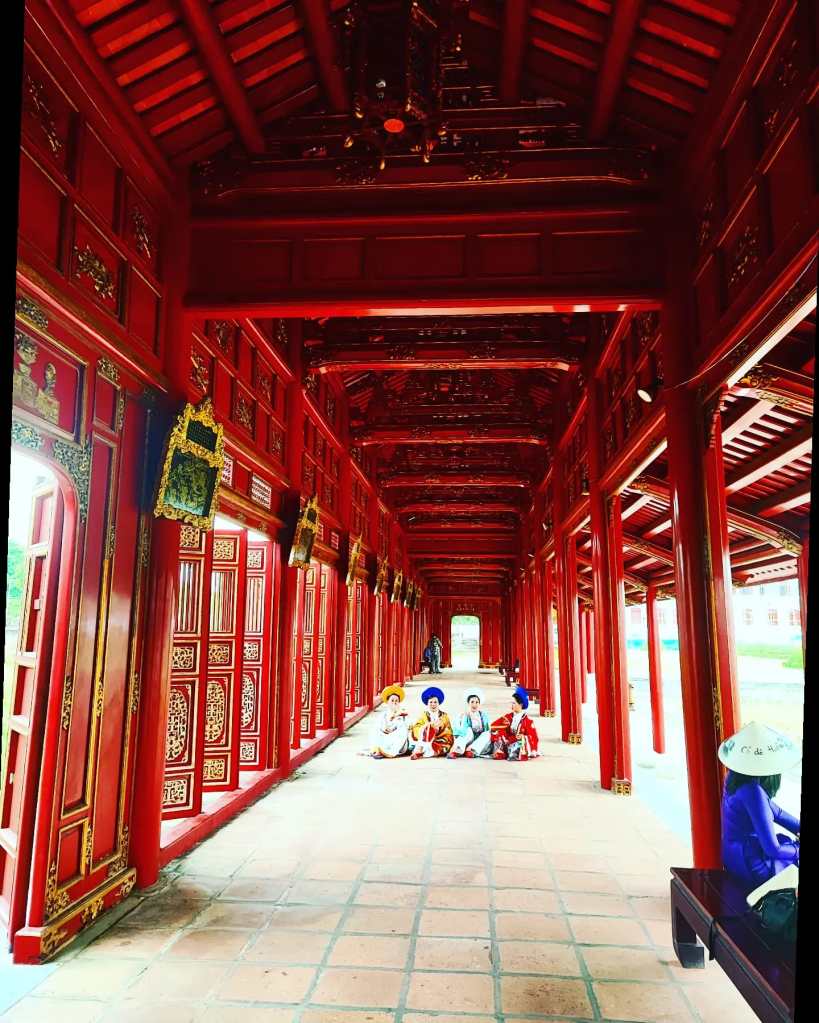
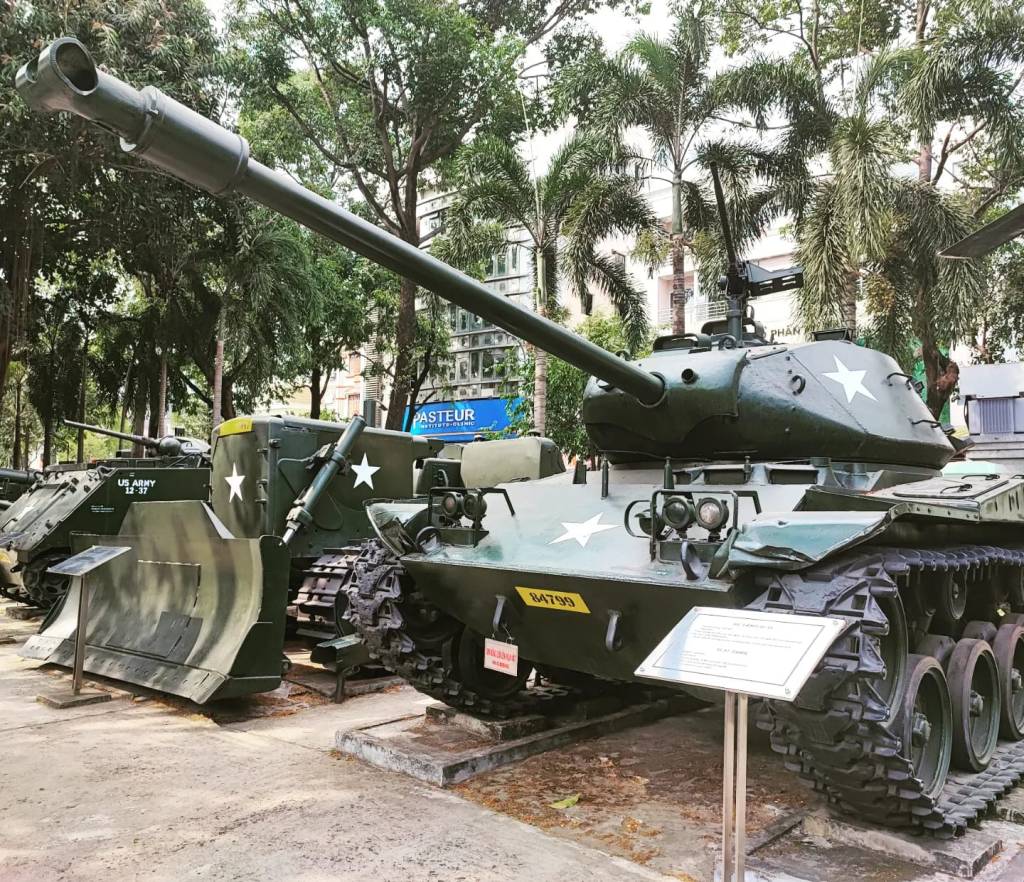
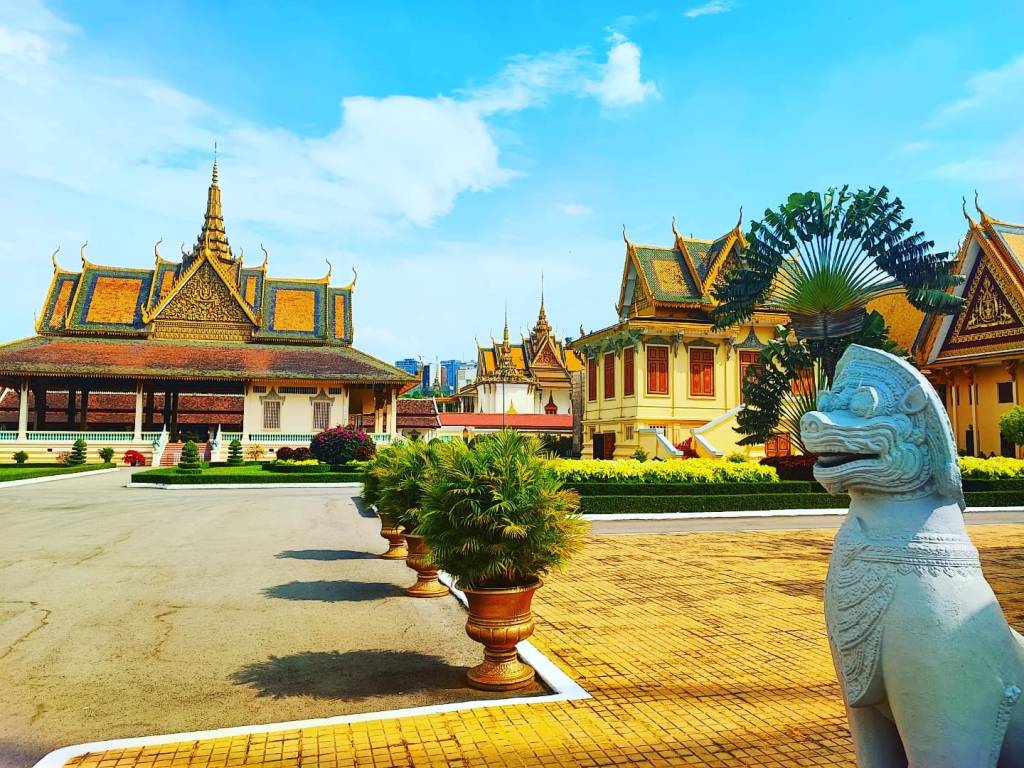
Il mio viaggio è iniziato ad Hanoi, capitale del Vietnam, nel nord del paese, dove ho speso due giorni a visitare monumenti, musei, viottoli e templi e dove ho assistito ad uno spettacolo tanto antico quanto unico al mondo: il water puppet show, dove gli attori sono delle marionette che vengono mosse con abilità su un palcoscenico d’acqua per far rivivere leggende popolari e scene di vita quotidiana. Sono poi passata alla magica baia di Halong, dove mi sono lasciata trasportare dalla corrente su una tradizionale giunca cinese che mi ha fatta navigare tra isolotti, faraglioni e grotte con laghi sotteranei. Con un volo interno sono poi arrivata nel caldo e afoso centro, dove ho potuto visitare le città di Hoi An, Hue e Danang, ognuna con le sue peculiarità, la prima assaltata dai turisti e traformata in una Riccione orientale, la seconda rimasta integra nel suo spirito d’altri tempi e l’ultima sede di uno dei complessi di templi buddisti più spettacolari del paese. Altro volo interno, questa volta direzione Ho Chi Minh, l’antica Saigon, dove la storia della guerra sgorga da ogni poro della città, formicaio da 12 milioni di abitanti, con i famigerati e asfissianti tunnel dei vietcong e il museo della guerra con fotografie e reperti storici. Dopo aver navigato, in un’atmosfera da nirvana, su una canoa scricchiolante sul delta del Mekong, in mezzo a mercati galleggianti e mandrie di bisonti, e dopo aver raggiunto la sperduta cittadina di Chau Doc, ho attraversato via mare il confine con la vicina Cambogia. Nel Regno di Cambogia sono restata 5 giorni, il primo speso nella capitale, Phnom Penh, dove risiedono il magnifico Palazzo Reale e la splendida Pagoda d’argento. Gli ultimi 4 giorni di viaggio li ho passati a Siem Reap, dove ho scoperto come vivono gli ultimi della società: le persone che risiedono nelle casupole di uno dei tanti villaggi galleggianti sul lago di Tonle Sap o quelli che sopravvivono nelle baraccopoli di lamiera delle periferie. E, ovviamente, dove si trovano i maestosi templi di Angkor Wat incastonati nella foresta, oltre 260, e che costituiscono il sito archeologico più importante di tutto il Sud-Est asiatico.

In questo testo non darò le solite informazioni di viaggio come: cosa vedere, dove dormire o dove mangiare (informazioni che comunque progetto di fornire in un prossimo articolo), per ora mi voglio limitare a trasmettere le sensazioni, le riflessioni e le impressioni che questo paese ha suscitato in me, oltre a condividere alcune delle fotografie che ho scattato strada facendo. Ho scritto tutto mentre mi trovavo là, a volte, di punto in bianco, mentre camminavo per le strade schivando motorini e cani randagi, mentre stavo visitando un museo o mentre mi gustavo un piatto di ramen in un locale affollato, venivo presa dall’impulso irrefrenabile di mettere nero su bianco tutto quello che le circostanze in cui mi trovavo suscitavano in me; e così mi aggingevo a scrivere sulle note del mio telefonino. Ecco il mio Vietnam. Ed ecco la mia Cambogia.

VIETNAM

IL NORD. Arrivo ad Hanoi:

Volti grigi come la cappa di nebbia e inquinamento che avvolge la città

Non mi aspettavo così poca gente

Una famiglia bianca, bionda, con due bambini sui 3/4 anni in bici come se le disgrazie potessero capitare solo agli altri

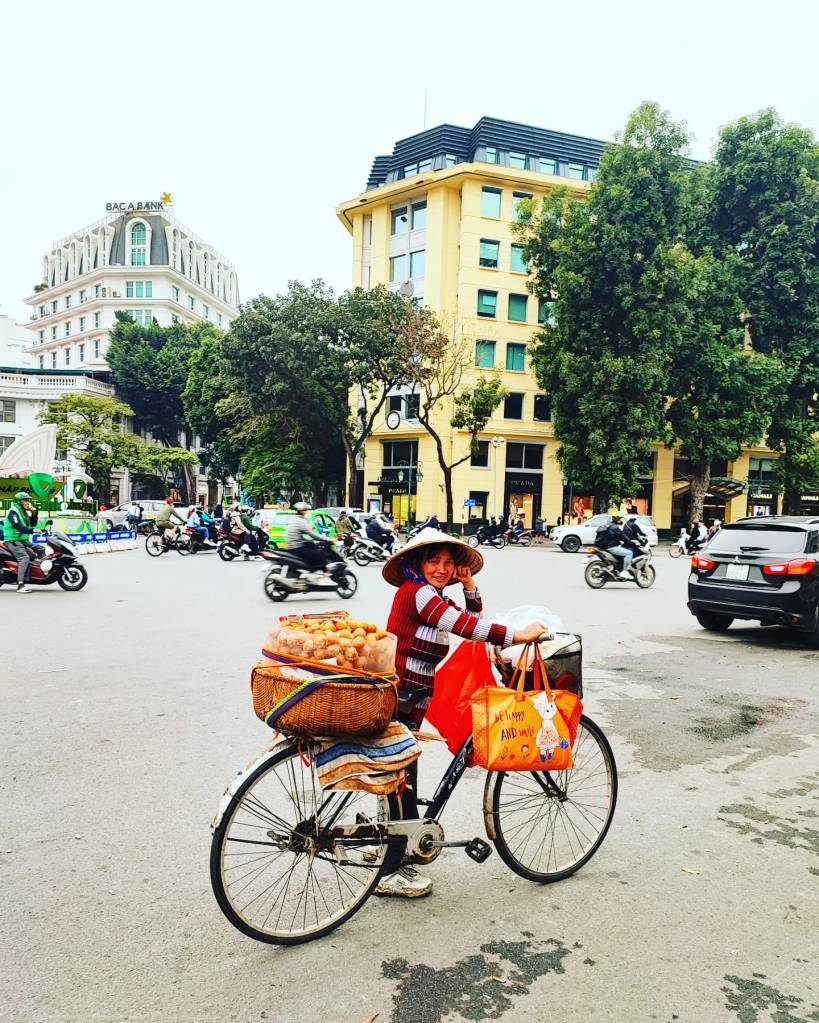
Un’altra bici, questa volta un signore col tipico cappello a punta che gli copre gli occhi

Il “nón lá”, conico, in paglia

Non so come faccia a vedere

A districarsi nel mare di motorini.

Già 3 zanzare schiacciate con l’avambraccio contro il finestrino del pulmino

Paura della malaria, paura di morire Cintura rotta, unghia lunga del mignolo del conducente, sorriso beffardo e non curante.

Bruciore allo stomaco per la frittata di gamberetti e seppie piccantissima

Specialità di Singapore

Mi han detto.

Nessun cenno di risposta alla dogana

Nessun cenno rassicurante

Rischiare di fare un incidente in motorino per scrivere un messaggio

Volti di chi ha vissuto la guerra

Non è come l’Europa

Turismo spensierato

Ma come la Thailandia

L’India

La Cina

Qui la gente ha la sofferenza nello sguardo

Non è vacanza, è sfidare l’abisso

Baraccopoli come in Messico, Sudafrica, Egitto o Giordania.

Ho perso il senso del tempo

Non so più che ora sia

Se è giorno o notte

Quanto ho dormito

Quante ore ho passato insonne

C’è uno strano silenzio

Una cupezza che ti stringe l’anima

Un ginocchio nella schiena

Un gomito tra le costole

Un pugno in testa

E 40 kg di vietnamita che mi cammina addosso

15 euro per un’ora e mezza.

Niente.

Tutto fashion

Finalmente ricchi

La moda occidentale

Ha pervaso l’Asia

La faccia della città cambia dall’aeroporto al centro

Non mi aspettavo questo benessere

Sono sorpresa

Ero rimasta alla guerra degli anni ’60, alle invasioni cinesi, al comunismo, la fame

La globalizzazione ha trasformato anche questo paese

Gli ha corrotto l’anima

O forse

Risollevata

Nuovi ricchi

Vestiti di marca

Eleganza

Due dollari per una zuppa

Duemila per una borsa

Ragazzine coi capelli tinti

Riscattano le nonne che alla loro età lottavano per vivere

Ascoltano il kpop

Un paese ancora da decifrare

Capire

Non so se neppure in una vita potrei

C’è così tanto che non so

Così tanto.

Primi giorni a Hanoi:

Mi chiede se il suo è un paese democratico

Lei non lo sa

Non ha mai sentito prima la parola dittatura

Non conosce il nome del suo presidente

Non è mai stata a Ho Chi Minh

Non parla se non per affrontare le mie incessanti domande

Le spiegazioni sono tutte approssimative

Spesso mi rispondo da sola a quello che le chiedo

E lei chiede a me

Sul Vietnam

Perché lei non sa

Perché nessuno le ha mai detto la verità.

Halong Bay:

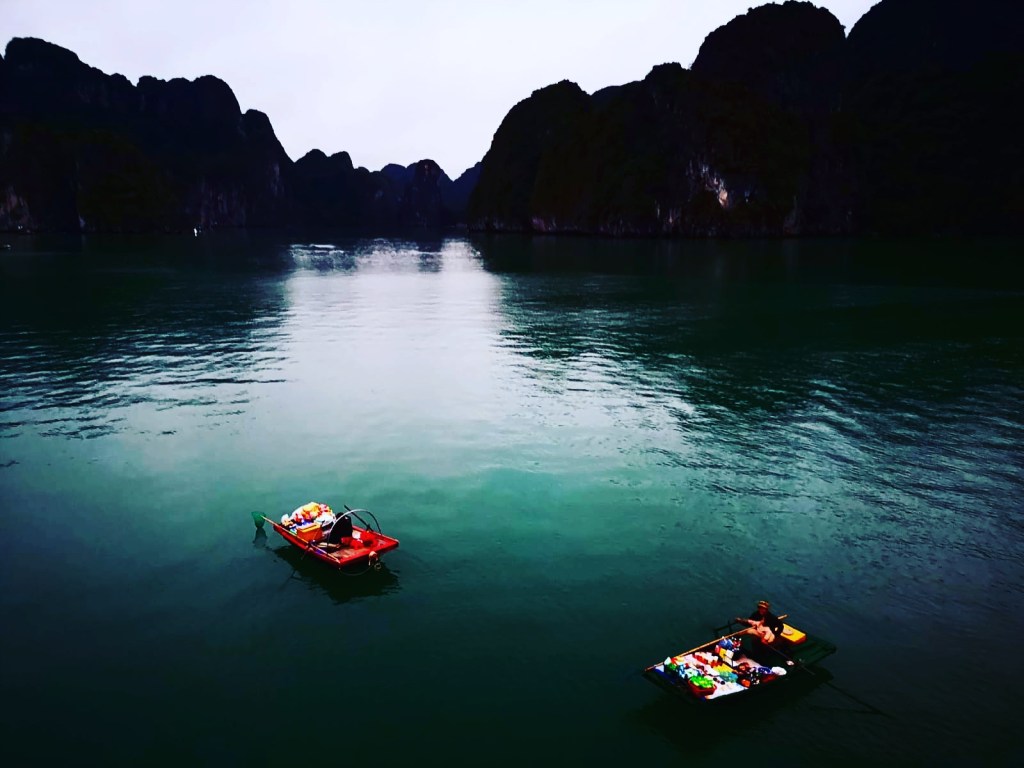
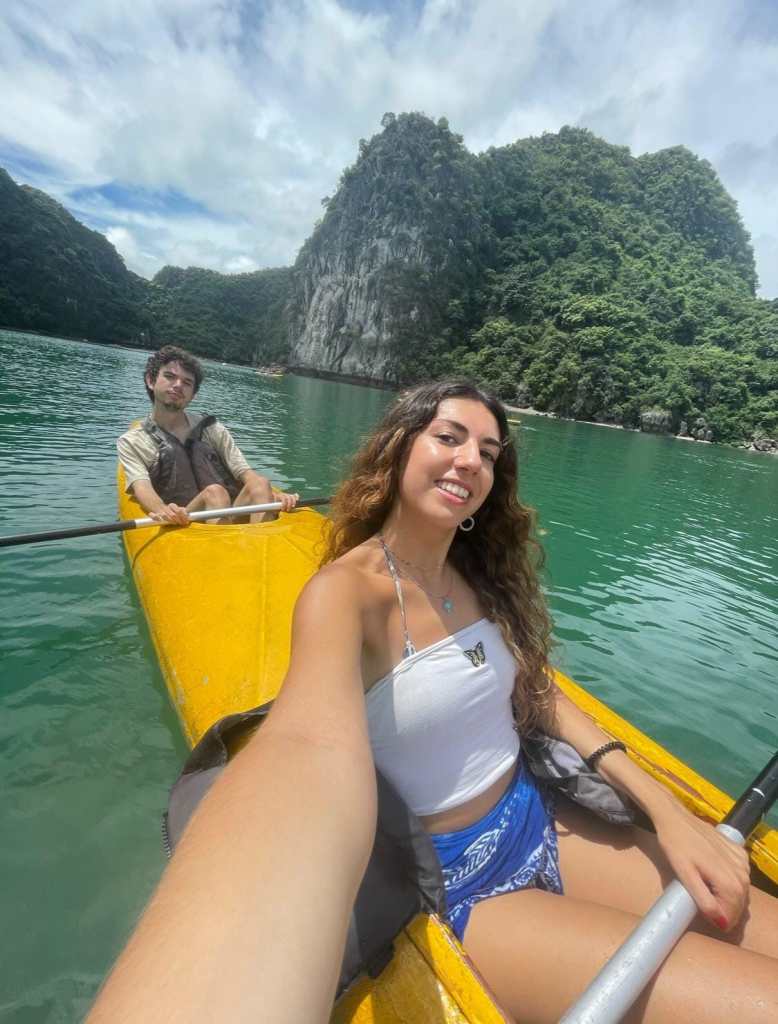
Halong Bay, nord del Vietnam. Un luogo magico… Mi ha commossa nel profondo. Miriadi di isolette, faraglioni e rocce ricoperte di giungla nel lussureggiante golfo di Tonchino. Abbiamo fatto una crociera di due giorni su un’antica giunca cinese restaurata. Abbiamo fatto kayak, assistito alla pesca dei calamari di notte, fatto escursioni sugli isolotti, Tai Chi all’alba, un corso di cucina vietnamita (squisiti gli involtini di riso e verdure!) e siamo anche entrati in un’enorme grotta sotterranea sperduta nel nulla! Quanta bellezza c’è su questo nostro generoso pianeta… più di quanto immaginiamo…

Sembrano i gorgoglii di un pesce

Gli schizzi di fiume di questa strana lingua

Suoni esotici ma l’alfabeto è latino

Fare Tai Chi sull’ultimo piano della giunca cinese

Nessuno intorno

Il mondo dorme ancora

E quando si spegne il motore

Solo i canti degli uccelli a cullarci

Il maestro così sorridente

Beato

Piccolino e magrino

Sano

Non come noi occidentali

Sovrappeso

Sempre tesi

Sempre a comandare

A pretendere di parlare inglese

A colonizzare

Deforestare

Ammazzare

Sradicare lingue, culture, identità

Tradizioni, bellezza e onestà

Verdi rocce sospese sull’acqua

Paesaggio surreale

Da film scientifico spaziale

Luoghi da ammirare

Persone da stimare

Peccato per l’inquinamento

Non si può respirare

La natura è contaminata

Ma un rimedio c’è

Dipende da noi

I momenti più belli non li ho fotografati

Tanto ero rapita dalla magia del momento

Il sorriso aperto e sereno del monaco che vegliava sul suo amico deceduto

Un canto sommesso di pace.

IL CENTRO. Hoi An:

La gente del centro è come una boccata d’aria fresca

Metaforicamente ovviamente… Perché qui l’aria raggiunge livelli di inquinamento allarmanti

È solare, gioviale, cordiale

Sarà la mitezza del clima, la cultura, la voglia di riscatto, il maggior contatto con l’Altro… Chissà!

Nessuna sensazione di pericolo come in Africa

La gente è molto tranquilla, gentile, curiosa

Qualcuno azzarda un complimento

Peccato che quasi nessuno parli inglese

Neppure una parola.

Danang:

La bella signora che mi ha venduto orecchini e fermaglio per capelli mi ha rincorsa per restituirmi il telefono che avevo dimenticato sulla sua bancarella

Questo episodio di grandissima gentilezza e onestà mi ha immediatamente riportato alla mente un altro momento legato alla perdita del telefono

La Namibia, primo giorno a Windoek

Pur di avere il mio telefono, nonostante le mie grida, i calci e i pianti, mi hanno messo le mani addosso e minacciata con un lungo coltello affilato…

Un trauma che troppo spesso riaffiora dal recesso della mia mente e che porta con sé emozioni di puro terrore e immenso livore

Si poteva evitare

Se solo…

Se solo la guida avesse chiuso le portiere della macchina

Se solo fosse partito ogni volta che, disperata, gli gridavo di partire

Se solo quegli uomini avessero avuto pietà della mia giovane età

Della mia ingenuità

Se solo…

Hoi An:

L’essenza della città di Hoi An è stata snaturata per soddisfare le richieste di un turismo che non guarda in faccia nessuno

Orde di bianchi grassottelli dai volti rubicondi starnazzano per le vie mentre evitano i motorini con un cocktail in mano, vestiti succinti e sguardo arrogante

Si sentono strascichi di francese, inglese, portoghese, hindi, giapponese, olandese… E non c’è fine

In sottofondo per le vie si sentono le voci di Justin Bieber, Shakira, Charlie Puth e Katy Perry… Non la tradizionale musica vietnamita

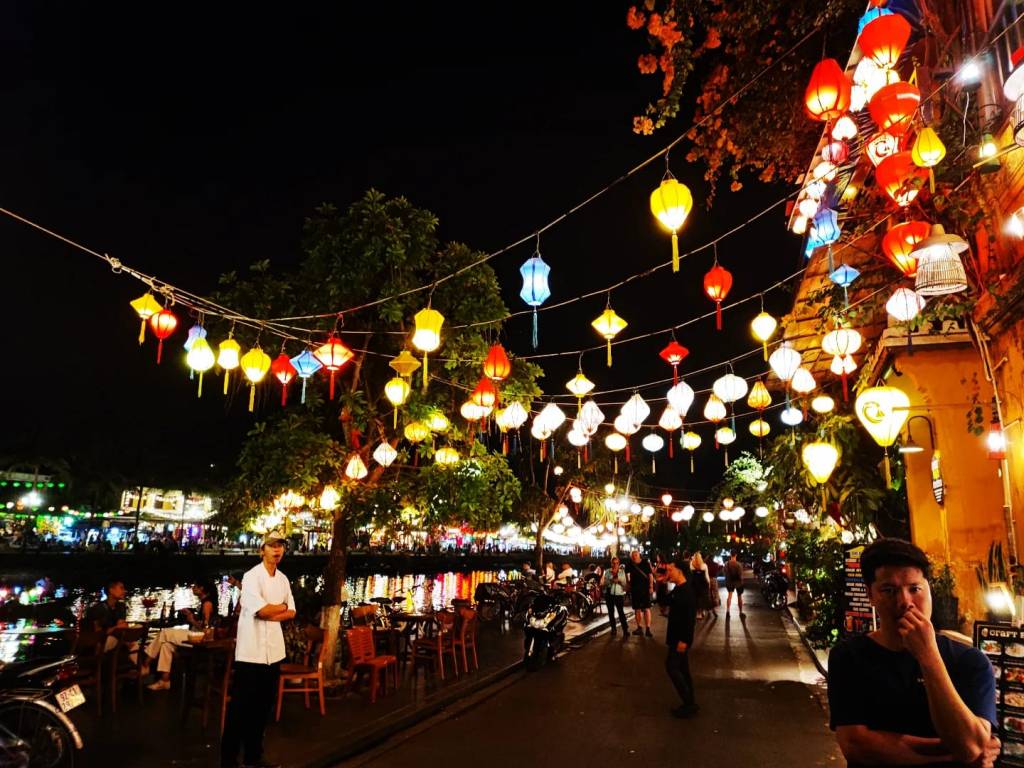
Sembrerebbe una qualunque cittadina di mare in Italia, Spagna o Francia se non fosse per le innumerevoli lanterne variopinte che riempiono le strade

Di sfuggita, tra le orde di gente in festa, si scorcia il volto emaciato di un bambino

Sbuca tra la gente con tanti sacchetti stretti tra le mani

Piedi nudi sull’asfalto bollente

Vestiti logori e viso sporco

Un ultimo rimasuglio di Vietnam autentico

Come un’anziana signora dal passo lento

Col suo cappello a punta e la miriade di rughe che attraversano il suo volto stanco

Il Vietnam è anche questo

È stato trasformato

Snaturato

Certamente il turismo porta denaro e lavoro

Ma a quale prezzo?

Dover contrattare per la vanità di chi vuole solo arraffare

Ritrovarsi a vendere banana split e crêpes alla Nutella perché i dolci tipici non sono alla moda

Dover ascoltare la musica commerciale del colonizzatore.

Hue:

In Asia non usano la mascherina per proteggersi dalle malattie o dall’inquinamento ma per non allontanarsi ancora di più da quello standard di bellezza che vuole la pelle delle donne bianchissima

Ogni volta che vede degli stranieri la nostra guida si lascia andare a lamentazioni del tipo “come vorrei avere la pelle così chiara come le occidentali…” poi mi fa complimenti per qualcosa per cui non ho alcun merito. Si percepisce una grande rassegnazione in lei, il fatto che la sua pelle non sarà mai così bianca come vorrebbe.

E pensare che da noi ci si fa le lampade, ci si cosparge di creme abbronzanti e si patisce il calore infernale (e magari anche un tumore alla pelle e le grinze) pur di prendere la famosa tintarella sotto il sole d’agosto.

Cerca di sbiancarsi con creme di madreperla e strani intrugli poco raccomandabili

Si copre dal sole con ossessione

Usa l’ombrello anche se è nuvoloso.

Hue:

Lenta cantilena triste e dolce

Non riesco a smettere di fissare questi ragazzi

Tutti così giovani, belli, magri, dai delicati lineamenti

Bevono birra a profusione

Gettano le lattine vuote per terra

C’è già una catasta sotto il loro tavolo

Uno zufolo di polvere che pende dal naso del finto alce appeso sopra l’ingresso della fumosa cucina del locale

Cataste di piatti sporchi impilati alla buona

Nessuno incrocia il mio sguardo

Nessuno si mischia con gli stranieri.

IL SUD. Saigon:

Io che durante il COVID odiavo le mascherine

Che mi ribellavo

Andavo in giro senza anche se venivo rimproverata

A volte fino a farmi piangere

Adesso invece mi ritrovo ad indossarla di mia spontanea volontà

Anche se mi fa soffocare

Anche se mi sento mancare la libertà

Il fatto è che questo atroce inquinamento mi soffoca ancora di più

Vorrei prendere le persone una ad una

Scuoterle dai loro motorini e spiegare loro che stanno alimentando la distruzione del nostro pianeta

Ma d’altronde che possono fare?

Le macchine costano troppo e le bici sono troppo faticose

Se non provassi paura

Il brivido

Forse non avrei questa fascinazione per i paesi scassati, poveri, sofferenti

Seguendo i miei sogni

Lottando contro la paura

Perché nessun giorno sia sprecato

Perché la mia vita non sia passata invano.

Cerco di trattenere il fiato il più possibile

Per quanto inquinamento si respira

Ho i polmoni in fiamme

Penso alle verdi montagne del trentino e mi domando come ci si possa tanto allontanare dall’armonia della natura

Vivere in alveari di cemento ammassati gli uni sugli altri

Dover mettere i tappi nelle orecchio per provare a dormire mentre di notte per strada si scatena il putiferio

Mi domando perché

Come siamo arrivati a tutto questo

Autodistruzione

Più che un tour della città mi sembra un tour dei vari tipi di gas tossici

Non mangio perché il cibo è troppo piccante

Non respiro neppure

Cerco di sopravvivere e prego di non essere investita per strada in questa bolgia di motorini.

Saigon:

Errore di valutazione

Saigon è un formicaio

Sguardo perso

Vestito con gli abiti dei guerriglieri

Una parodia della guerra

Riproduce ciò che è stato

Dà dimostrazioni di come i vietcong si infilavano negli strettissimi tunnel

Ogni tanto sbuca una lucertola

Un venticello smuove le foglie secche

Un turista coi pollici in su e un gran sorriso resta immobile mentre la sua fidanzata bionda e cotonata con ciglia finte gli scatta una foto ricordo

Come un parco divertimenti ma di cattivo gusto

Chi ha vinto scrive la storia

Non potrei dirlo ma questa è la verità

Perché c’è un regime comunista

Da pochi anni posso parlare un po’

Ma prima neppure potevo ridere

Se scrivo qualcosa contro il regime su facebook mi vengono a prendere

Non posso dire ciò che penso.

Cos’è questo frastuono?

Turisti che pagano soldi per usare armi vere della guerra.

CAMBOGIA

Phnom Penh:

Grondo sudore

Un Inferno di calore

Distanze infinite

Si procede lentamente perché c’è sempre troppo traffico

Il viaggio della speranza

Ammassati su una barchina in 40 per ore

Tentando di raggiungere la Cambogia

Una sauna

Come l’India

Ormai non ci faccio più caso al sudore che cola costantemente giù da ogni poro della mia pelle

Non sono fatta per il troppo caldo

Né per il troppo freddo

Serve equilibrio

In tutto

Ma la ricompensa

E’ immensa.

Siem Reap:

Gli antichi abitanti erano i Champa, una popolazione indiana

Stessa fisionomia, solo occhi a mandorla

Natura e artefatto umano in simbiosi

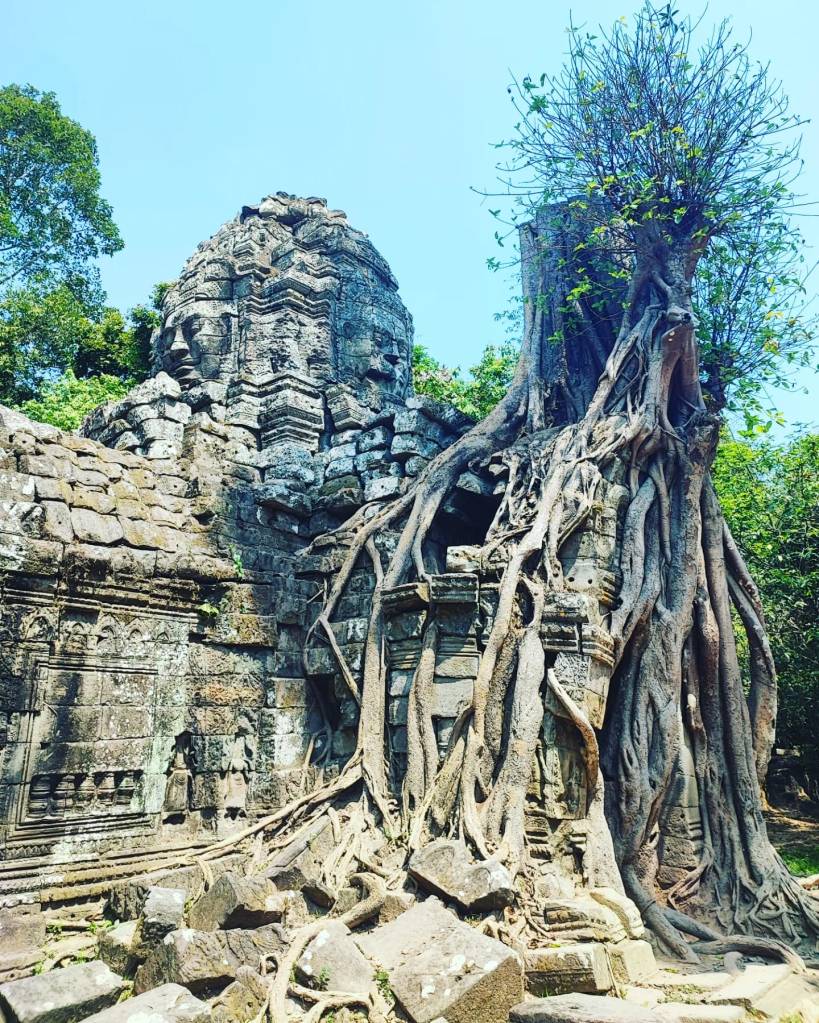
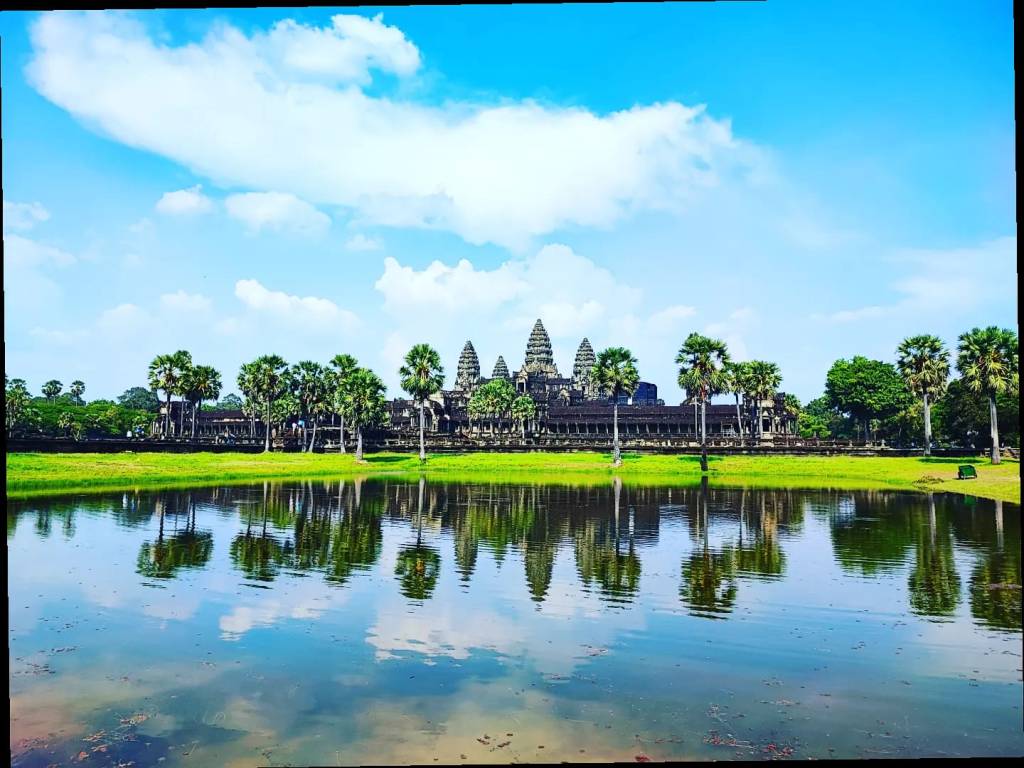
I templi di Angkor

La foresta tropicale che si riprende il suo spazio

Lo splendore in rovina.

Siem Reap:

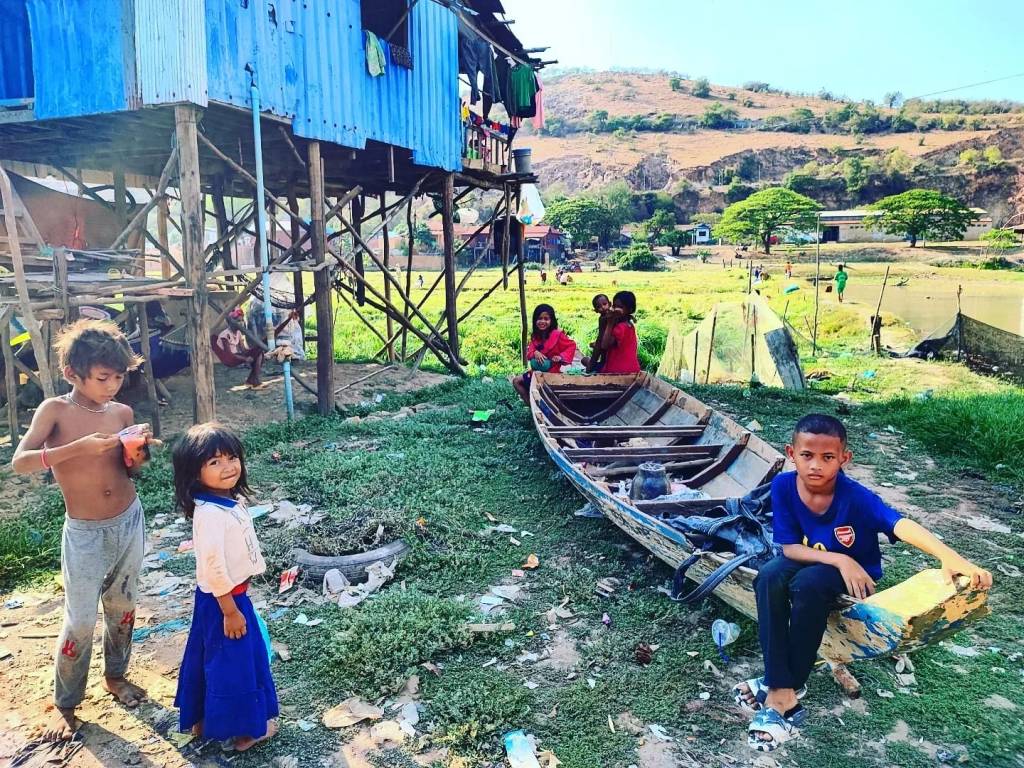
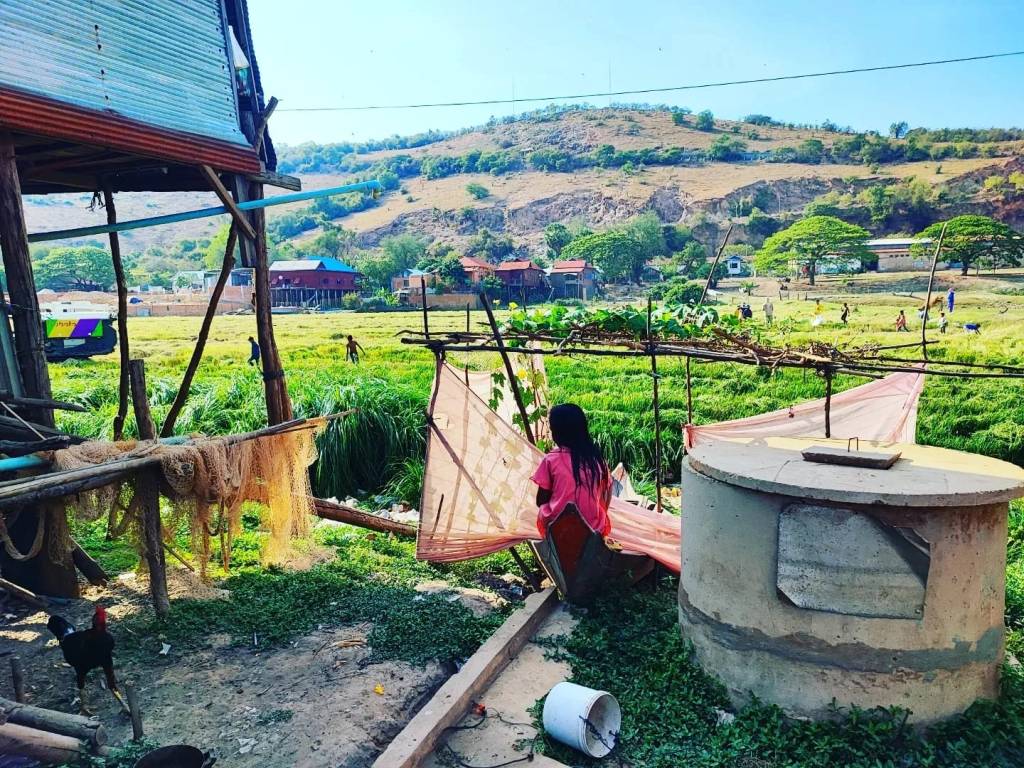
Quando non ci sono soldi per acquistare un terreno si costruisce la propria casa sul lago. In Cambogia è pieno di villaggi galleggianti, dove persino la chiesa, la scuola e il ristorante devono essere raggiunti in canoa…

A due passi dalla città di Siem Reap c’è una delle tante baraccopoli della Cambogia. Se la città è il paradiso, raccontano gli abitanti di questo luogo, la periferia è l’inferno.

Adoro l’Asia.

Pur con le sue contraddizioni

Cerco il contatto col mondo

Cerco una mano che si tende.

Grazie e al prossimo articolo! 🙂

Cảm ơn! (grazie in vietnamita)
សូមអរគុណ! (grazie in khmer)


Elisa.
Featured

Ravenna

Have you ever heard of a city called Ravenna? Maybe it’s not as famous as Rome or Milan, but it’s a beautiful one, especially for its well-preserved late Roman and Byzantine architecture. Ravenna is situated in the region Emilia-Romagna, at just 10 minutes by car from the seashore and the beaches of Marina di Ravenna, Marina Romea and Punta Marina. In one day you can visit all the most beautiful monuments and the 8 UNESCO sites of the city. It was the capital city of the Western Roman Empire from 402 until the empire collapsed in 476. It then served as the capital of the Ostrogothic Kingdom until it was re-conquered in 540 by the Byzantine Empire. Afterwards, the city formed the centre of the Byzantine Exarchate of Ravenna until the invasion of the Lombards in 751.

Personally, I love this city and I am lucky to be able to go there quite often cause my dad inherited an old house that dates back to the 60ies. But going to the important part, are you ready to discover more about Ravenna?

We start our visit parking near the city centre in Piazzale Antico Lazzareto, at just 10 minutes by walking from the Porta Adriana. Then we reach the ticket office in Via Argentario 22 and we buy the cumulative ticket for about 12 euro each. It includes:

1. Mausoleo di Galla Placidia, full of byzantine mosaics

2. Basilica di San Vitale, one of the best examples of paleo-Christian art in Italy

3. Battistero Neoniano

4. Museo Arcivescovile

5. Basilica di Sant’Apollinare Nuovo, where there is the widest and most important cycle of religious mosaics in the world

After visiting these stunning monuments and its incredibly beautiful mosaics, we have a quick lunch at a local Piadineria called “Profumo di Piadina”. The variety of choice is just so huge and tempting that you end up desiring to have a stomach wide enough to try all the possible combination of piadina. After a break on a bench reading the guide of the city, we keep going and we visit for free other places of interest:

6. Duomo di Ravenna

7. Tomba di Dante, where the great Florentine author “Il Sommo Poeta” was buried

8. Basilica di San Francesco

9. Piazza del Popolo e centro storico

In the afternoon we decide to have a walk in a park near our house, the Parco di Teodorico, where for 4 euro we visit the famous:

10. Mausoleo di Teodorico

For dinner we eat at the magnificent restaurant Al Gallo 1909, a liberty style little jewel of the city. Inside, the atmosphere is magical: art deco raffinate objects fill in the space, and you can eat some delicious fish or meat traditional dishes for a good price. The enchanting music on the background and the colourful garden inside the restaurant contribute to create the perfect ambience.

To conclude this wonderful day we decide to give a look at the innovative Darsenale district, where the sea reaches the city, and we sit down at the tables of Darsena Pop Up, thinking of all the beauty we have just seen.

Featured

L’India (tesina)

L’India.

-Il pensiero indiano-

“ In India si è diversi che altrove. Si provano altre emozioni. In India si pensano altri pensieri.“

                                                                                           Tiziano Terzani

PREMESSA

Sin da quando ero piccola mia mamma mi ha trasmesso la passione per il viaggiare e lo scorso inverno mi ha portata in un Paese che, volontariamente o meno, avrebbe avuto un fortissimo impatto sulla mia vita e sulla mia stessa persona.

So che ovviamente due settimane, perdipiù di “tour” organizzato, non sono sufficienti per poter conoscere a fondo un Paese in tutte le sue colorate sfaccettature, ma so anche che non posso rimanere indifferente a quello che ho visto e provato nè posso pretendere di non essere cambiata almeno un poco io personalmente dopo l’incontro con l’India. Viaggiare è fondamentale per me, e, anche se non so che risvolti prenderà la mia vita, so che viaggerò per quanto mi sarà possibile, alla scoperta di nuove culture, luoghi e persone, e anche alla scoperta di me stessa. Credo che nulla come il viaggiare possa aprire la mente, far crescere e far imparare; e non parlo dell’andare in villeggiatura a fare il turista, ma dell’immergersi anima e corpo in un mondo diverso da quello a cui siamo abituati. L’India è un mondo in cui tutte le logiche su cui fondiamo la nostra società s’infrangono e dove la distinzione tra bene o male scompare, dove il mistico convive con il profano e i tabù, le convenzioni, i ruoli sociali, i valori, le priorità degli uomini e la realtà stessa seguono altre leggi.

E non si tratta solo dell’India, ma di tutti i Paesi, anche se in modo e misura diversa. 

Il viaggio vero è quello fatto senza preconcetti, aspettative, senza prenotazioni, giri per i shopping centres o negozi di souvenirs; è quello dove tutto ciò che conta è vivere appieno quel Paese, le sue strade, i suoi odori, la sua gente, le sue tradizioni, le sue credenze, le sue grida, le sue bellezze e le sue brutture. So che l’India è un Paese scomodo, pieno di contraddizioni e, come si legge su alcune guide da viaggio, “vivamente sconsigliato a persone deboli di cuore, facilmente impressionabili, anziani e bambini”.

Ma il Paese che incontrai al mio arrivo a Delhi era tutt’altro che spaventoso ai miei occhi: era vero, primordiale, bellissimo.

Viaggiando per l’India, ho capito che i problemi della vita quotidiana e tutte le cose che ci preoccupano non hanno più importanza, una volta visti i volti e gli occhi rassegnati di quegli uomini, quelle donne e quei bambini, che continuano a vivere nella fame e nella miseria, nella spiritualità più profonda e in un mondo che sembra rimasto fermo a 3000 anni fa, dove ancora ci sono rituali magici, santoni ed incantatori di serpenti.

Pensare di poter descrivere a parole l’India è un’assurdità e di certo non pretendo di poterlo fare, ma questo non vuol dire che io non possa comunque provarci.

Appena penso all’India mi si chiude lo stomaco e avverto un senso di smarrimento e malinconia, c’è sempre qualcosa che sfugge inevitabilmente in quel lontano magico mondo a sé, un’infinità di possibilità si presentano e la realtà muta le sue sembianze. 

L’India è uno schiaffo in faccia, due, tre, è spiritualità, karma, nirvana, spezie profumate, sari dai mille colori, grandi imperatori moghul, maharaja, templi spettacolari, bazar vibranti, pietre preziose, tessuti pregiati, abili venditori, danze, Taj Mahal… ma anche povertà, sporcizia, caste, razzismo, indifferenza, disordine, inquinamento, ignoranza.

L’India è un viaggio alla scoperta di se stessi, delle proprie origini.

Ho deciso di parlare dell’India e in particolar modo del pensiero indiano, ovvero dell’insieme di quelle concezioni di fondo comuni alle principali religioni indiane (l’induismo, il buddismo, il giainismo, il sikhismo etc.) poichè tutto ciò mi affascina moltissimo. Inoltre mi piace confrontarmi con modi diversi di guardare alla vita e di pensare e credo sia importante essere sempre disponibili ad ascoltare tutti i punti di vista, per non rischiare di cadere nella trappola del sentirsi troppo sicuri delle proprie idee. Nell’indagare alcuni dei tratti del pensiero indiano ho deciso di partire dagli spunti di un bellissimo libro letto: “Un’altro giro di giostra- viaggio nel male e nel bene del nostro tempo” di Tiziano Terzani. Terzani intreccia la sua situazione di vita, quella di un affermato giornalista che si avvicina ormai ai 60 anni e che scopre di avere il cancro, a quella di un’India senza tempo dove spera di poter trovare una cura al cancro e dove finisce invece per trovare una “cura” alla vita o alla morte, a seconda della prospettiva da cui si guarda.

INTRODUZIONE ALL’INDIA

L’India è uno Stato federale dell’Asia meridionale, con capitale Nuova Delhi; è il secondo Paese più popolato dopo la Cina, con circa 1.400.000.000 abitanti. Le lingue ufficiali sono 15, oltre a più di 300 dialetti.  È bagnato dall’oceano Indiano a sud, dal mar Arabico a ovest e dal golfo del Bengala a est. Confina con il Pakistan a ovest, Cina, Nepal e Bhutan a nord-est, Bangladesh e Birmania a est.

Annessa alla Compagnia britannica delle Indie orientali dai primi decenni del XVIII secolo e colonizzata dal Regno Unito dalla metà del XIX secolo, l’India è diventata un moderno Stato nazionale nel 1947, dopo una lotta per l’indipendenza guidata dal leader non violento Gandhi.

Varie riforme economiche hanno trasformato lo Stato in uno dei Paesi emergenti a più rapido sviluppo, ma nonostante ciò il Paese soffre ancora di alti livelli di povertà, analfabetismo e malnutrizione, oltre ad avere un sistema sociale basato sulle caste. Culla di religioni e culture diverse, società pluralistica, multilingue e multietnica, l’India è ancora oggi uno dei Paesi più controversi ed affascinanti del Mondo.

I Miei Collegamenti ed Approfondimenti relativi ad alcune materie:

– filosofia: influenze della religione indiana in Schopenhauer

– latino: stoicismo romano e buddhismo

– inglese: imperialismo britannico, Victorian Society e povertà

– scienze: inquinamento atmosferico

CULTURA, FILOSOFIA E SPIRITUALITA’

–  LA TOTALITA’ DELL’ESISTENZA 

“L’India, a meno di odiarla al primo impatto, induce presto questa esaltazione: fa sentire ognuno parte del creato. In India non ci si sente mai soli, mai completamente separati dal resto.”

“Alcuni millenni fa i rishi, coloro che vedono, ebbero l’intuizione che la vita è una, e questa esperienza, rinnovata religiosamente di generazione in generazione, è il nocciolo del grande contributo dell’India all’incivilimento dell’uomo e allo sviluppo della sua coscienza. Ogni vita, la mia e quella di un albero, è parte di un tutto dalle mille forme che è la vita”

Uno dei concetti cardine del sentire indiano è l’idea di totalità: l’uomo, la natura, gli animali sono tutti parte di una stessa globalità, dove ciascun elemento è parte necessaria, cioè che non può essere diversa da come è, ed indispensabile.

E, come Hegel risolveva, con la teoria del monismo panteistico, il finito nell’infinito, affermando che il finito altro non è se non parziale manifestazione dell’infinito, così, anche per gli indiani, il mondo risulta essere la realizzazione di Dio. 

Dunque, non esistono le varie parti separatamente, ma l’organismo nel suo insieme, infatti, è il tutto a dare senso alle parti. 

Da qui deriva l’idea per cui gli animali sono parte del creato tanto quanto noi, dunque con i nostri stessi identici diritti, e che la natura non sia a nostra disposizione come strumento: niente appartiene all’uomo, neppure il corpo: esso tornerà a tempo debito alla madre terra e il ciclo vita-morte si ripeterà ancora infinite volte.

L’uomo occidentale si è dimenticato di essere parte di un tutto, di essere fratello, padre e figlio di ogni altra creatura; va anzi fiero della propria individualità, della propria apparente libertà, e si erige come entità a sè, disgiunta dal resto, superiore al resto. Questa è la mentalità che, anche secondo il filosofo Lévinas, ha prodotto un uomo solo e triste, un uomo piccolo e capace di atrocità inimmaginabili contro l’Altro, che è, come ciascuno, immagine di Dio.

Tuttavia si pone un problema fondamentale: come può il pensiero indiano dimostrarsi così rispettoso degli animali ed allo stesso tempo indifferente nei confronti dei suoi simili ? (In india infatti vige la morale della disuguaglianza, che si riflette nel sistema delle caste.) Entrambi gli atteggiamenti sono il risultato di una logica per cui, per raggiungere il Nirvana, non è lecito interferire con i piani del Dio.

Che uno sia nato nella casta degli intoccabili, la più infima, o in quella dei bramini, i sacerdoti, è il suo destino, un destino immodificabile e indiscutibile.

Secondo la religione induista infatti ogni persona ha determinati doveri e possibilità, in base alla casta di appartenenza e secondo il Dharma, ovvero la legge che regola ogni cosa.

Mi viene da dire che l’uomo indiano si pone nei confronti del mondo un po’ come una persona che vada come ospite in casa altrui: osserva ma non tocca, giudica ma tiene per sé i commenti e, se è interessato a qualcosa, chiede il permesso e poi ringrazia.

–  MAYA, L’ILLUSIONE DEL MONDO

“In India il tempo non è sentito come una linea retta, ma circolare, passato, presente e futuro non hanno qui il valore che hanno da noi; qui il progresso non è il fine delle azioni umane, visto che tutto si ripete e che l’avanzare è considerato una pura illusione.”

“Gli indiani considerano il mondo che noi chiamiamo reale molto simile a quello del sogno, non si sono mai particolarmente preoccupati di cambiarlo o di migliorarlo. Quel mondo è una realtà parziale, per cui anche la sua conoscenza non può essere che parziale”

La filosofia indiana segue un atteggiamento in tutto contrario a quello europeo nei confronti del mondo e della vita: quello rinunciatario.

L’uomo occidentale è spinto alla autoaffermazione in nome della scienza e della ragione ed è pervaso da una forte fiducia nel progresso.

L’uomo indiano invece vede la realtà come una assurda commedia cui è tenuto a partecipare suo malgrado; la sua massima ambizione è quella di concludere il ciclo di reincarnazioni, che lo trattengono nel samsara, attraverso la rinuncia di ogni bene materiale e non, fino a raggiungere il Nirvana.

Questa idea della realtà come finzione mi fa pensare a Pirandello, che definì la vita “un’enorme pupazzata”, ovvero una recita di marionette dove ciascuno indossa la maschera che meglio si addice alle circostanze.

Approfondirò questo aspetto successivamente nella sezione di filosofia.

–  LA MORTE

“L’India infonde, anche in chi non crede in tutto questo, uno stato d’animo di distacco che rende il Paese così particolare e la sua realtà, a volte proprio orribile, in fondo accettabile. Accettabile perchè così è la vita: è tutto il contrario di tutto, è stupenda e crudele. Perchè la vita è anche la morte, e perché non c’è piacere senza dolore, non c’è felicità senza sofferenza.”

“In India ci si adatta, si accetta, e presto si entra in quella logica per cui niente è davvero drammatico, niente è terribilmente importante. In fondo tutto è già avvenuto in maniera simile tante altre volte prima e si sa che avverrà infinite volte dopo. […] L’India ti fa sentire semplicemente umano, naturalmente mortale; ti fa capire che sei una delle tante comparse in un grande, assurdo spettacolo di cui solo noi occidentali pensiamo di essere i registi e di poter decidere come va a finire.” 

Da una parte la paura di morire degli occidentali: la morte è qualcosa da evitare ad ogni costo e da considerare sciagura quando avviene, è una faccenda lugubre e penosa; dall’altra la paura di vivere degli indiani, che si rifugiano nella speranza di una vita il cui unico fine è la morte eterna. La morte in India è naturale, semplice e serena come lo era forse nell’antica grecia, come Seneca o Socrate ci insegnano.

In India la presenza della morte si avverte continuamente, se ne sente l’odore, se ne vede il volto, il colore. I roghi funebri per le strade delle città alla sera, i lebbrosi agli incroci, le sconsolate vacche di una atavica magrezza un pò dovunque, i cadaveri gettati nel fiume sacro Gange, quello stesso fiume in cui ogni giorno milioni di indiani compiono le abluzioni, ovvero i riti purificatori, e con la cui acqua lavano i panni sporchi, il cibo e i propri figli.

–  LA CONOSCENZA DEL SE’

“Altri popoli hanno avuto per obbiettivo il conquistare, l’arricchirsi, il navigare, lo scoprire. Per gli indiani, che negli ultimi duemila anni non hanno invaso nessun paese, né conquistato terre altrui, l’obbiettivo è sempre stato la conoscenza. E non la conoscenza del mondo, ma la conoscenza di sé. Conoscere quello vuol dire conoscere tutto perché il fondo di quel sé, secondo loro, è ciò che resta immutabile nell’eterno mutare di tutto.”

La conoscenza del sé, cos’altro di più interessante?

Eppure, per noi occidentali sembra che l’unica conoscenza che ci interessi sia quella scientifica, pratica ed utile, quella per cui fatichiamo per anni su libri e libri per trovare poi un buon lavoro, quella per primeggiare sugli altri, per vincere sempre.

E se invece di guardarci sempre attorno iniziassimo a guardarci un pò dentro? A capire chi siamo, a riflettere, a stare in silenzio, a fare attenzione ai propri pensieri, ai propri sentimenti, alla ricerca dell’essere; a cercare di capire cosa ci sia, sempre che ci sia effettivamente qualcosa,  sotto tutte le sovrastrutture dell’identità che ci costruiamo e che la società ci affigge.

Ciò che gli indiani ci vogliono dire è: a cosa ci serve conoscere il Mondo di fuori se non conosciamo prima noi stessi? D’altronde “Ciò che è fuori è anche dentro; e ciò che non è dentro, non è da nessuna parte”. E’ pertanto inutile cercare altrove quello che non si trova dentro di sé.

SCIENZE

Inquinamento atmosferico

un primo posto non tanto invidiabile

L’India si contende con la Cina il famigerato titolo di Paese con l’inquinamento atmosferico più mortale. La cattiva qualità dell’aria causa 1,1 milioni di morti premature in India ogni anno, quasi come in Cina, con livelli di smog che hanno superato di oltre 100 volte i limiti consentiti dall’Organizzazione Mondiale della Sanità. Ma se il tasso di mortalità legato all’inquinamento è rimasto stagnante negli ultimi anni in Cina, in India è esploso.

Secondo l’Health effects institute e l’Institute for health metrics and evaluation, in India, tra il 1990 e il 2015, si è registrato un aumento del 50% delle morti legate alle pm2.5, le pericolose particelle sottili disperse nell’aria. Le misure anti-inquinamento in Cina hanno portato a una stabilizzazione del numero delle morti per smog dal 2005 a oggi; in India invece il numero è aumentato costantemente dalle 740’000 del 1990 a 1,1 milioni nel 2015.

L’India ha sperimentato l’aumento più forte dell’inquinamento dal 2010 e ora ha le concentrazioni di pm2.5 più alte al mondo. Lo smog a New Delhi, la capitale dell’India, ha raggiunto livelli di crisi senza precedenti, causati dalle centrali a carbone, dal traffico fuori controllo di veicoli, dai cantieri disseminati in tutta la città, dagli effetti della stagione secca che inaridisce i terreni circostanti New Delhi aumentando la quantità di polvere e terra sollevata dal traffico, dai migliaia di roghi delle stoppie delle zone rurali attorno la capitale (negli stati di Punjab, Haryana, Uttarkhand e Uttar Pradesh) di contadini impegnati nello smaltimento delle stoppie del raccolto precedente.

E’ dunque New Delhi in assoluto la città più inquinata al mondo. E molte altre sono le città dell’India tra le più inquinate al mondo. 

Il 92% della popolazione respira aria inquinata                                                  

Il problema dell’inquinamento atmosferico riguarda ormai tutto il mondo e cresce sempre più, andando di pari passo con l’industrializzazione e la globalizzazione. Secondo l’ultimo rapporto dell’Organizzazione Mondiale della Sanità, del 2016, tre milioni di persone muoiono ogni anno a causa dell’inquinamento dell’aria. Solo L’8% della popolazione mondiale ha il privilegio di respirare aria pulita, mentre il restante 92% vive in zone dove l’inquinamento atmosferico supera il limite massimo fissato dall’Oms.


Ma in cosa consiste l’inquinamento atmosferico?                                                        

Per inquinamento atmosferico si intende la presenza di sostanze chimiche e biologiche che modificano e alterano la struttura naturale dell’atmosfera terrestre. Qualunque sostanza che modifica la composizione dell’aria può essere considerata sostanza inquinante. Gli agenti inquinanti sono generalmente classificati in base alla loro origine:

  • fonti naturali
  • fonti antropiche

Le sostanze che derivano da fonti naturali sono ceneri vulcaniche, pollini, spore vegetali, polveri e fumi degli incendi boschivi. Le sostanze che invece derivano da fonti antropiche sono quelle prodotte da traffico veicolare, riscaldamento domestico, industrie e agricoltura.  

Si può distinguere tra inquinanti primari, emessi dall’ignizione di combustibili fossili quali gas, benzina, legno, petrolio e carbone, e inquinanti secondari, originati dai primari per mezzo di reazioni chimiche.

I primi sono ad esempio il diossido di zolfo, gli ossidi di azoto, monossido e diossido di carbonio, metano e particolato, il quale si divide in particolato grossolano e polveri sottili. I secondi sono ad esempio l’acido solforico, l’ozono troposferico e i clorofluorocarburi, o Freon, considerati come i principali responsabili del buco dell’ozono.

le conseguenze                                                                                                               Queste sostanze inquinanti hanno impatto principalmente su:

  • ambiente
  • salute dell’uomo

Per quanto riguarda i danni sulla salute dell’uomo, l’inquinamento dell’aria comporta alte concentrazioni di agenti tossici che interferiscono con le funzioni polmonari e che portano all’aumento di malattie quali bronchiti, asma, enfisemi, malattie cardiovascolari,  leucemie, insufficienza respiratoria acuta, broncopneumopatia cronica ostruttiva, ictus, ischemia e cancro ai polmoni. 

Per quanto invece riguarda i danni all’ambiente tre sono le principali conseguenze:

  • buco dell’ozono
  • effetto serra
  • piogge acide

L’ozono è una sostanza importante per la vita sul nostro pianeta: consiste infatti in uno schermo naturale per le dannose radiazioni ultraviolette (UV) provenienti dal sole. Da alcuni anni però la quantità di ozono dell’aria è diminuita a causa di alcune sostanze inquinanti come i clorofluorocarburi, anche definiti Freon. Il fenomeno del buco dell’ozono resta però ancora molto complesso e oscuro: nonostante l’accertata responsabilità dei CFC gli scienziati non sono in grado di spiegare le effettive cause del fenomeno.

L’effetto serra è provocato da una miscela di gas presenti nell’atmosfera quali diossido di carbonio e metano. L’inquinamento dell’uomo altera la presenza di questi gas nell’aria e quindi va a modificare la successione naturale di periodi caldi e freddi della temperatura terrestre. Aumentando la concentrazione di gas serra aumenta anche il rischio di un rapido riscaldamento del clima terrestre, con i conseguenti effetti drammatici sugli equilibri climatici del nostro pianeta.

Infine, le piogge acide sono le ricadute sulla superficie terrestre di particelle gassose inquinanti, come i diossidi di zolfo e gli ossidi di azoto. Queste precipitazioni tossiche avvengono sotto forma di pioggia, neve e nebbia. Le precipitazioni atmosferiche sono sempre debolmente acide, se, però, il pH dell’acqua scende, è dovuto alla presenza di inquinanti. Gli effetti di tale fenomeno sono molteplici:         

1- Abbassamento del pH delle acque dei laghi, con conseguente impoverimento della fauna ittica e degradazione dei cicli biologici negli ecosistemi.                                       

2- Danneggiamento della vegetazione, quindi diminuzione del rendimento dei raccolti e riduzione della fertilità del terreno.                                                                                      

3- Corrosione di manufatti e metalli.                                                                                    

4- Intossicamento alimentare .

un buon esempio…

Tra i Paesi meno inquinati al mondo ben 5 sono in Europa: si tratta di Norvegia, Svezia, Svizzera, Danimarca e Finlandia. Ciò che caratterizza questi vincenti Paesi è la scelta di un trasporto pubblico ecologico e spesso elettrico, un buon sistema di smaltimento dei rifiuti, la presenza di molte piste ciclabili, centri di scarto, smistamento e riciclaggio di materiali e ampi spazi verdi per ossigenare l’ambiente. E’ inoltre vietata la circolazione pesante di automezzi e limitato il traffico dei veicoli. Abbiamo dunque solo che da imparare da questi Paesi, che hanno a cuore il pianeta Terra; forse non abbiamo ancora capito che è casa loro tanto quanto nostra.

FILOSOFIA

“In India non potranno metter mai radici le nostre religioni: la sapienza originaria dell’uman genere non sarà mai soppiantata dagli effimeri successi in Galilea (del cristianesimo). Viceversa torna l’indiana sapienza a fluire verso l’Europa, e produrrà una fondamentale mutazione del nostro sapere e pensare.”

 (Il mondo come volontà e rappresentazione, par.63 )

Dalla notte dei tempi l’India affascina per il suo profondo legame con religione e spiritualità,  dove queste sono tutt’uno con l’India stessa e il suo popolo. La profonda sapienza orientale viene tramandata da millenni dai rishi, coloro che vedono, e anche se spesso l’uomo occidentale ha deriso quei così affascinanti ma poco scientifici insegnamenti, un uomo in particolare ha riscoperto il pensiero orientale e ha cercato di rendergli merito, questo uomo è Schopenhauer.

Schopenhauer è stato il primo filosofo occidentale a recuperare le filosofie orientali da cui desume principalmente due fondamentali concetti: il velo di Maya e il Nirvana. Mentre Kant distingueva fenomeno, cioè la cosa così come appare, e noumeno, la cosa in sé, definendo il primo come la realtà e il secondo come il concetto-limite a cui la mente umana non può accedere data la sua natura limitata; per Schopenhauer invece il fenomeno è parvenza, illusione, sogno, il velo di Maya appunto, mentre è il noumeno la vera realtà. E se dunque questa vera realtà è celata dietro a un mondo di apparenze ed inganni, spetta al filosofo il compito di svelare il noumeno dal velo di Maya, parola che viene dal sanscrito “mayin” e che vuol dire mago.  

Le forme a priori, ovvero quelle strutture che corredano la mente umana, scoperte da Kant, sono per Schopenhauer : spazio, tempo e causalità. Egli paragona le forme a priori a vetri sfaccettati che deformano la visione delle cose, per cui la conclusione è che la vita è sogno, tessuto di apparenze; anche per la filosofia dei Veda l’ esistenza è una sorta di illusione ottica.

La concezione della vita come di un pendolo che oscilla tra dolore e noia trova molti richiami nel buddhismo dove si generalizza sostenendo che tutto è malessere, tutto è disagio, tutto è (dukkha) sofferenza: sia in atto, quando soffriamo, sia in potenza, quando la gioia o il piacere di cui godiamo altro non sono che una temporanea cessazione del dolore. La risposta al dolore per Schopenhauer è la liberazione dalla stessa volontà di vivere attraverso l’arte, la morale e l’ascesi. L’arte è conoscenza libera e disinteressata, è quella “cosa” straordinaria che, mentre la contempliamo, ci sottrae per un istante a dolori e preoccupazioni: l’arte è catartica per essenza. Similmente nel pensiero indiano l’arte è considerata “nutrimento dell’anima”: senza essa si vive comunque, ma la mancanza si sente parecchio. L’etica invece consiste per il filosofo in un impegno nel mondo a favore del prossimo, dunque un tentativo di superare l’egoismo con la compassione, attraverso cui avvertiamo come nostre le sofferenze altrui. Allo stesso modo i Veda affermano la necessità di carità e amore verso il prossimo, una rinuncia all’egoismo. Tuttavia se con la pietà si vince l’egoismo, non ci si libera totalmente della vita e dunque della volontà. Questo può avvenire solo con l’ascetismo. L’ascesi è tipica delle filosofie orientali e consiste in una castità perfetta, capace di sciogliere la volontà di vivere attraverso la rinuncia ai piaceri, l’umiltà, il digiuno, la povertà, il sacrificio e l’automacerazione. L’asceta nega così la volontà, diventa libero dall’attaccamento alle cose del mondo e giunge  all’esperienza del nirvana.  Nirvana, letteralmente, ha il significato di “estinzione”, “spegnimento” del soffio, della brama. E’ la negazione del mondo stesso, il nulla, è un oceano di pace, di serenità, dove si dissolvono le nozioni di io e di soggetto. 

Sia il Buddhismo sia la filosofia indiana dei Veda e delle Upanisad, ovvero le antichissime raccolte in sanscrito di testi religiosi e filosofici indiani, rappresentarono sempre per Schopenhauer una conferma delle proprie affermazioni: il pensiero orientale, frutto della sapienza più antica e quindi più vera – in quanto maggiormente vicina all’origine dell’umanità – secondo il filosofo si sarebbe trovato in perfetto accordo con la propria filosofia, culminante nella teoria del mondo come volontà, essenza di ogni cosa. 

Schopenhauer “tradusse” dall’orientale praticamente ogni concetto cardine del pensiero orientale, interpretando come paralleli ed equivalenti concetti come Volontà di Vivere e Brahman, rappresentazione e māyā, stato di affermazione della volontà e samsara, negazione della volontà e nirvana, redenzione e moksa. Molti altri punti di contatto furono trovati da Schopenhauer tra sé e l’Oriente: l’idealismo, l’esistenza di un principio unico celato dall’illusione della molteplicità, il pessimismo, l’etica della compassione estesa anche agli animali e l’idea che ci si debba liberare dalla sofferenza. 

Tuttavia, se è innegabile l’esistenza di alcuni punti di contatto tra il pensiero di Schopenhauer e alcuni aspetti del Brahmanesimo e del Buddhismo, è altrettanto evidente che la convinzione schopenhaueriana di una concordanza tra la propria filosofia e quella indiana è frutto di alcuni fraintendimenti, forzature ed interpretazioni errate, dovuti a un’eccessiva considerazione di alcuni aspetti del pensiero indiano a discapito di altri, che si trovano meno in linea con le teorie di Schopenhauer, e che per tale ragione vengono dal filosofo sottovalutati o addirittura totalmente omessi. Egli ha però il merito, nonostante i propri limiti, di avere notevolmente contribuito all’apertura verso mondi diversi, spesso soggetti a pregiudizi, gettando così le basi per un dialogo tra le diverse culture. Pertanto, nonostante tutti i limiti interpretativi, quello tra Schopenhauer e il pensiero orientale fu comunque un importante ed affascinante incontro fra Oriente ed Occidente.

«Le Upanishad sono l’emanazione della più alta saggezza umana […] da ogni pagina ci vengono incontro profondi pensieri, originali e sublimi, mentre un’elevata e sacra serietà aleggia su tutto. […] È la lettura più profittevole ed edificante che sia possibile a questo mondo: essa è stata la consolazione della mia vita e lo rimarrà fino alla mia morte»

(Alcune cose relative alla letteratura sanscrita, in Parerga e paralipomena, XVI, 185-184).

INGLESE

India, dominated for over 3500 years by the first semi-nomad barbaric invaders Ari, the Gupta dynasty then, the Arabs and the Muslims, the Moghul empire and finally the British colonialism, gained independence in 1947.

India was secured as a British Empire’s colony by the East India Company, founded in 1599 and governing until 1858, the year of the Indian Mutiny.

From then on, India was ruled by a Viceroy and in 1877 became the jewel in the crown of the british empire when Queen Victoria was appointed Empress. India exported tea, cotton, wood and pepper and imported a great variety of British-made products: it was a fundamental resource of the British Empire.

THE BRITISH EMPIRE

Throughout the Middle Ages, England was a medium-sized, moderately wealthy country. When the New World was discovered, Britain used its naval advantage to establish colonies and assist trading companies.They became the number one world power. Whole groups of citizens were exported to populate foreign parts of the world. North America, Australia, South Africa and Ireland are examples of settler colonies. In addition, trader colonies such as India, Nigeria and Jamaica were established. One trading company of great importance to the Empire was the East India Company. It was founded in 1599 and secured India as a colony, actually governing there until 1858. The Empire peaked around 1900. Britain ruled about a quarter of the world, in both land and population. It was the biggest empire the world had ever seen, and it was said that the sun never set on the British Empire.Britain was the cradle of the Industrial Revolution which started in the late 1700s. Queen Victoria reigned during a time when industrialisation made the country the richest in the world. Victoria’s reign can be seen as the Golden Age of Empire although there were conflicts in many of the colonies. The new industries at home demanded huge amounts of raw material much of which was taken from Britain’s colonies.

VICTORIAN SOCIETY

Victoria became queen of Great Britain in 1837, when she was only 18, and she reigned as a very influential and symbolic figure until 1901.

The Victorian Age was called “The Age of Machinery” because of technological improvements, industrialisation and development of communications. Other features of the time were the increase in population, the urbanisation and the spread of education and commerce.

These changes on one hand led to wealth and prosperity for the middle and upper classes which reinforced their position with a strict code of moral conduct and religious faith. They believed in hard work, respectability, conformity and detached philanthropy.

On the other hand these changes led the vast majority of the population to extreme poverty and hardship: men, women and children worked in factories up to 16 hours a day for very low wages, in harsh and dangerous working conditions. Poor and unwanted children were exploited in textile mills and mines, crime, prostitution and discontent were widespread. The discontent of the poor pushed to organise themselves into working-class movements fighting for social reforms and for their rights; an example of this is the “People’s Charter”, a document of 1938. Anyways, his huge gap between the poor and the rich highlighted the inadequacies and inequalities of Victorian Society: so, behind the respectability of middle class values laid a system of corruption, indifference, greed and exploitation. This situation, which chose to ignore the contradictions in society in the name of a poorness as a necessary consequence of the richness of few, became known as “The Victorian Compromise”.

The hypocrisy of the Victorian Society was expecially enlighted by the Robert Louis Stevenson’s novel “The Strange Case of Dr. Jekyll and Mr. Hyde”. This novel can be seen as an allegory of the divided Victorian self: there is a facade of reason, the 19th century positivist science and a mask of puritan morality represented by Jekyll and the madness and the hard struggle for mere survival which lies underneath, that is represented by Hyde.

Moreover, the writer that denounced the evils of the time (poverty, exploitation, inadequate educational system, urban decay, indifference of the aristocracy, inefficiency of the Justice System…) in a tragi-comic, melodramatic way was Charles Dickens with works such as “David Copperfield”, “Hard Times”, “Oliver Twist” and “A Christmas Carol”. 

DICKENS’ POOR AND INDIA’S ONES

Something we sadly find in common between the Victorian Society and India is the extreme poverty. 

Poverty…
We talk about extreme poverty when a part of the population lives on less than $ 1.90 a day. According to World Bank data, in 2015 India had a population of one billion three hundred million people.
The percentage of the population living on less than $ 1.90 a day is about 21 percent: more than 270 million people.

…hunger…
According to the World Food Program:
-In India lives a quarter of the malnourished people of all over the world.
-Nine pregnant women in ten suffer from malnutrition and anemia.
-More than half of children under the age of five are malnourished or suffer from dwarfism.
Those who do not eat enough do not have sufficient strength to work and earn. Without working and earning, they don’t have the opportunity to buy food. A vicious circle of hunger and poverty. A circle difficult to break.

… and the other problems of India
Because there are “only” hunger and poverty. The maternal mortality rate is among the highest in the world: every year, about 120 thousand women do not pass birth or pregnancy. Half of the women are illiterate and their fundamental rights are denied systematically. Even the school dropout rate is very high and this means that children are forced to work.

THE CAUSES

In India’s case low wages, chronic unemployment, lack of social assistance and accomodation and an insufficient education.

But most of all the rigid and stagnant cast system made of unpassable racial, professional and social limits: Indian’s personal ambition is completely destroyed and their view of life is pessimistic, resigned and torpid.

Moreover the historic reason of conservatorism that brings india to be stuck in a degenerated supersticion made of old irrational beliefs.

Eventually the British colonialism that destroyed the local manufacture and economy in favour of its own products.

DICKENS’ POOR

The extreme poverty had encouraged the abandonment and in the streets of London, from a survey of 1848, there were more than 30,000 undernourished and sick children, living on alms or thefts. They ate from the trash and drank the sludge out of the open sewers of the slums, almost always contracting cholera and other widespread diseases in the slums.

But the approach to poverty was never devoid of an overwhelming moral judgment on the part of those who were on the comfortable and safe side of those who bring help: “the poor are unexpected beings, who have wasted their money in vices “,     “God has placed everyone in a position that is not troubled, because the most important life is that beyond death “
some thoughts of known philanthropists of the time. In essence, the Victorian “beneficence”, even when it is free and sincere, is always paternalistic, coming to the rescue of subjects genetically incapable of managing their lives in a straight and moral way. It is therefore a precise duty of those who have been predestined to be a paradigm of rigor and wisdom, to take the reins of the miserable existences of these “rejections” of Victorian society.

With this philosophy are born the “poorhouse”, hospices financed by the crown in which the poor and the most disadvantaged subjects of the Victorian society could find assistance, accommodation and work. As Charles Dickens describes, in the poorhouses there is a very strict discipline, exhausting working hours and corporal punishment. Families are divided: children, the sick and the elderly, the skilled men and women live in separate buildings to discourage distractions and immorality. The indigents were washed and shaved; then they had to wear the uniform of the institute. Meals, scarce and not nutritious, provided for half the already lean ration of men for women and had to be consummated in absolute silence; the accommodations to stay overnight were dirty and overcrowded: they could sleep up to 7 people per bed.

LATINO

Il buddhismo nacque in India nel VI sec. a.C. e per oltre 1000 anni fu la religione dominante, al giorno d’oggi tuttavia in India resta una piccola percentuale di buddhisti, mentre oltre l’80% della popolazione è induista. Nonostante ciò, la rilevanza culturale e sociale del buddhismo è ancora vastissima. Approfondendo le religioni orientali ho notato sempre più l’affinità che intercorre tra il buddhismo e lo stoicismo romano: il senso di distacco aristocratico, del limite e dell’equilibrio interiore, quel comune rifuggire da ogni eccesso sia ascetico che mondano.

L’insegnamento centrale del buddhismo è che la sofferenza è una parte integrante della vita e che la liberazione dalla sofferenza viene dalla purificazione morale e mentale che un individuo compie su di sé. Il buddismo proviene dagli insegnamenti di Siddhartha Gautama (563-483 a.C.), “l’illuminato”: il Buddha non è visto come un Dio, ma come un maestro spirituale che mostra la via all’illuminazione. Al centro degli insegnamenti del Buddha si pongono quattro verità basilari, dette “verità nobili”: 

1) la vita è sofferenza; 

2) la causa della sofferenza è il desiderio; 

3) la sofferenza può finire se ci si libera dal desiderio; 

4) la libertà dal desiderio si ottiene su un sentiero con otto componenti: giuste vedute, giuste intenzioni, giusto parlare, giusto agire, giusta rendita, giusto sforzo, giusta mentalità e giusta contemplazione. 

L’obiettivo del buddismo è la liberazione dal ciclo di morte e di rinascita. Una persona che si libera dal desiderio è considerata “illuminata” e raggiunge lo stato del Nirvana.

SENECA FILOSOFO

Alcuni dei più importanti scritti di Seneca, (De otio, De brevitate vitae, De providentia e le Epistulae ad lucilium), sono l’espressione dei profondi pensieri dell’autore in merito al rapporto otium/negotium, al tempo, al male e alla morte. 

Seppure Il pensiero filosofico di Seneca sia influenzato dallo stoicismo, dall’epicureismo e dal platonismo, mi concentrerò su ciò che di stoico egli ci trasmette. ( Dall’epicureismo deriva il pensiero secondo il quale non bisogna temere la morte e secondo cui si debba vivere ogni giorno come se fosse l’ultimo. Dal platonismo, invece, riprende il concetto in base al quale l’uomo può raggiungere la conoscenza solo tramite la filosofia.)

La lezione di Seneca stoico nella prosa filosofica è concentrata sul come agire e come vivere nelle circostanze storiche e sociali in cui ci si trova, conservando una rettitudine interiore capace di allontanare passioni e vizi. Egli costruisce l’uomo ideale, che è per lui il sapiens: un vir bonus capace di vivere secondo natura, ovvero secondo ragione, grazie a virtus e sapientia, e capace di affermare la propria libertà attraverso il suicidio. Dunque un uomo che segue un’ etica del dovere e che accetta il proprio destino come segno di una provvidenza superiore e razionale (Dio/logos) che si identifica con il mondo stesso. Il destino è qualcosa di necessario (in senso *filosofico*: qualcosa che non può essere diverso da sè); in tal senso la filosofia stoica appare come una forma di determinismo.

Allo stesso modo il buddhista predica la scelta dei soli piaceri necessari ed un’etica del controllo e del perfezionamento interiore.

BUDDHISMO E STOICISMO ROMANO

– IL DESIDERIO 

E’ appurato ormai che nella filosofia orientale il desiderio è la radice dell’infelicità, quale che sia il suo oggetto, fosse anche un oggetto lontano da prospettive mondane.

Il tema della semplificazione della vita e della essenzialità dei bisogni rendono Seneca un erede oraziano: nelle sue Epistulae ad Lucilium, così come nel De Brevitate Vitae, troviamo il biasimo verso coloro che sono schiavi di desideri smodati, di appetiti insaziabili di potere, fama o denaro. L’invito alla semplicità e il monito a non sprecare la nostra vita in cose vane, sono solo alcuni degli esempi di questa impostazione filosofico-morale.  Seneca ci ammonisce su come i desideri possano portare gli uomini a sciupare il bene più prezioso, il tempo, e a come questi possano essere d’ostacolo per vivere pienamente la vita che ci è stata assegnata.

De Brevitate Vitae 2, 1-3

Quid de rerum naturā querimur? Illa se benigne gessit: vita, si uti scias, longa est. At alium insatiabilis tenet avaritia, alium insupervacuis laboribus operosa sedulitas; alius vino madet, alius inertiā torpet; alium defetigat ex alienis iudiciis suspensa semper ambitio, alium mercandi praeceps cupiditas circa omnis terras, omnia maria spe lucri ducit; quosdam torquet cupido militiae, numquam non aut alienis periculis intentos aut suis anxios; sunt quos ingratus superiorum cultus voluntariā servitute consumat; multos aut adfectatio alienae fortunae aut suae querella detinuit; plerosque nihil certum sequentis vaga et inconstans et sibi displicens levitas per nova consilia iactavit; quibusdam nihil quo cursum derigant placet, sed marcentis oscitantisque fata deprendunt, adeo ut quod apud maximum poetarum more oraculi dictum est verum esse non dubitem: “exigua pars est vitae quā vivimus.” Ceterum quidem omne spatium non vita sed tempus est. Urgent et circumstant vitia undique nec resurgere aut in dispectum veri attollere oculos sinunt, sed mersos et in cupiditatem infixos premunt. Numquam illis recurreread se licet; si quando aliqua fortuito quiescontigit, velut profundum mare, in quopost ventum quoque volutatio est,fluctuantur, nec umquam illis a cupiditatibus suis otium est.

Perché ci lamentiamo della natura? Essa si è comportata generosamente: la vita, se la sai usare, è lunga. Ma uno lo domina un’insaziabile avidità, un altro un’operosa attività tra inutili fatiche; un altro è madido di vino, un altro vive nel torpore per l’inerzia; un altro lo affatica l’ambizione sempre dipendente da giudizi altrui, un altro la precipitosa bramosia del mercanteggiare lo conduce con la speranza del lucro attorno a tutte le terre, a tutti i mari; alcuni li tormenta la passione della vita militare, sempre o impegnati nei pericoli per gli altri o ansiosi per i propri; ci sono alcuni che l’ingrato rispetto per i superiori logora in una volontaria schiavitù; molti li ha trattenuti o la ricerca della fortuna altrui o la lamentela della propria; i più, che non seguivano nulla di certo, una superficialità vagabonda e incostante e scontenta di sé ha sballottato attraverso nuove decisioni; ad alcuni non piace nulla verso cui dirigere la rotta, ma il destino li sorprende mentre marciscono e sbadigliano, tanto che non dubito che sia vero quello che presso il più grande dei poeti è stato detto a modo di oracolo: “esigua è la parte di vita che viviamo”. Del resto in verità tutta la durata dell’esistenza non è vita, ma tempo. Incalzano e stanno intorno da ogni parte i vizi e non permettono di risollevarsi o di innalzare gli sguardi alla vista del vero, ma li tengono sommersi e rivolti verso la cupidigia. Mai a quelle persone è possibile ritornare a se stesse; se qualche volta per caso è capitata una qualche tranquillità, come il mare profondo, nel quale anche dopo il vento c’è movimento di onde, si agitano, né mai per loro c’è tregua dalle proprie passioni.

Il desiderio inteso come fonte dei mali dell’uomo è dunque un tema comune a buddhismo e stoicismo romano. Tuttavia se nel buddhismo le soluzioni sono meditazione e contemplazione, negli Stoici romani non si riscontra un riferimento ad una disciplina spirituale di tipo ascetico: la dottrina morale intende offrire all’uomo la chiave per una vita virtuosa, vissuta secondo natura, concentrandosi sull’essenziale. Certo, in Seneca è presente il tema dell’otium inteso come vita contemplativa, ma esso assume una sfumatura relativa al vivere in modo appartato e tranquillo, dedicandosi allo studio. Questo stile di vita richiede la realizzazione dello stato interiore del distacco, della ataraxia.

– IL DISTACCO, L’INDIFFERENZA

La conoscenza del rapporto di causa ed effetto tra attaccamento e dolore, per cui l’uomo, quanto più possiede od è legato ai beni materiali e non, tanto più soffre, è centrale nel Buddhismo tanto quanto per gli Stoici romani.

Ricorrono il tema della apàtheia e dell’ataraxìa, ossia l’impassibilità e l’imperturbabilità del saggio, in stretta connessione all’ideale della vita tranquilla, del vivere in riposo nel senso di raccoglimento creativo. Nel buddhismo si parla però di una disciplina ascetica in cui il monaco non ha appigli in divinità da pregare, in quanto un possibile Dio rischierebbe di diventare motivo di attaccamento. Inoltre è condiviso l’invito a non preoccuparsi né delle cose che dipendono da noi, come opinioni e desideri, né di quelle che non dipendono da noi, come la salute, il comportamento degli altri o la durata della vita. Infatti, qualunque cosa accada, si va avanti, in un mondo o in altro.

Entrambe queste filosofie sono, secondo me, più che delle dottrine, delle condotte generali, dei modi di vivere: entrambe hanno come fine una vita serena, beata. 

Tali ed altre affinità ci permettono di non escludere l’eventualità di un contatto fra mondo greco-romano e buddhismo nei primi secoli dell’Impero romano, forse proprio con l’arrivo in India di Alessandro Magno nel 327 – 325 a.c.; non sono inoltre da escludere orizzonti nuovi su un’inedita affinità culturale fra Oriente ed Occidente.

BIBLIOGRAFIA

  • “Un’altro giro di giostra- viaggio nel male e nel bene del nostro tempo” di Tiziano Terzani
  • “Un’idea dell’India” di Alberto Moravia
  • “L’odore dell’India” di Pier Paolo Pasolini
  • “India del nord- trecentotrenta milioni di dèi e un solo popolo” di Pierpaolo Di Nardo
  • Literature for Life- Deborah J. Ellis
  • Hortus Apertus- Francesco Piazzi
  • Sistema Terra- Massimo Crippa e Marco Fiorani
  • La Ricerca Del Pensiero vol. 3A- Nicola Abbagnano e Giovanni Fornero

SITOGRAFIA

  • Schopenhauer e l’Oriente- Arianna Editrice (Paolo Scroccaro)
  • Inquinamento atmosferico: cause, conseguenze e rimedi- Risparmio Energetico
  • India, l’inquinamento dell’aria ora uccide quanto in Cina- Repubblica.it
  • India, New Delhi, inquinamento atmosferico oltre la soglia massima- eastwest.eu (Matteo Miavaldi)
  • Il lato oscuro del vittoriano – Povertà e degrado nella Società Vittoriana – Goticomania.com
  • India: il Paese dove la povertà non risparmia nessuno- act!onaid
  • Impermanenza e distacco nello stoicismo romano e nel buddhismo delle origini- Centro Studi La Runa (Stefano Arcella)
  • Stoicismo e Buddismo- MYO Magazine

P.S: Tutte le immagini qui presenti sono state scattate da me personalmente durante il viaggio in Rajasthan, stato dell’India settentrionale, a confine col Pakistan.

Ho scelto di mettere le mie foto perchè credo che ogni fotografia racconti una storia, di cui io sono in qualche modo partecipe.

Inoltre la fotografia è una mia profonda passione e trovo incredibile poter rendere eterno un irripetibile attimo di vita di un luogo o di una persona.

L’anima dell’India è negli occhi di queste persone.

🌴Costa Rica Pura Vida: My Caribbean Adventure from CS in San José to volunteering in Puerto Viejo

During several months backpacking across Latin America, my journey continued from Panama to Costa Rica 🌎 Backpacking 1.5 Months in Panama: Forest Hikes, Paradise Islands & Lifelong Friendships — but not as I had planned. I was supposed to cross through Bocas del Toro on the Caribbean side, but due to roadblocks and protests in Panama, everything changed. I had to reroute and entered Costa Rica from the Pacific border, after a long and unexpected journey that reminded me how travel always finds a way to surprise you. But, as I always say, everything happens for a reason. 

It was actually my second time in Costa Rica, My workaway experience in the tropical jungle of Costa Rica a country that already held a special place in my heart. During my first visit, at the beginning of my two years of full-time traveling around the world, I explored the Pacific coast, visiting Puerto Jimenez, Manuel Antonio, Quepos, San José, Alajuela, and Tamarindo. However, the most remarkable experience has been my two weeks of volunteering in the middle of the jungle at Bolita Hostel, an off-grid “naked jungle” hostel located near the entrance of Corcovado National Park. That experience was pure adventure — wild, raw, nature-immersive, adrenaline-filled, and unforgettable.

This time, after 2 years since those days, I was craving something completely different — the laid-back rhythm of the Caribbean coast, that stayed in my mind as a place I wanted to visit since then, the sound of reggae, the beautiful tropical beaches, the salsa and bachata classes, yoga sessions by the beach, nights out playing foosbal and cards with new friends, the cute sloths, colorful guacamayas, tiny hammingbirds and peaceful iguanas at every corner, and a slower way of living. I wanted to feel the other side of Costa Rica.


From Panama to San José

The border crossing from Panama took nearly an entire day. On the bus, I met Daniel, a friendly Costa Rican who became my first friend in this new chapter. He had a motorbike and, over the next few days, took me around the capital to discover local spots, stunning viewpoints, vibrant nightlife, and the nearby mountains and volcanoes.

One day, we rode up to a volcano near San José, the Irazú one, but the weather turned against us — thick fog, heavy rain, and cold wind. We were freezing to death on the ride, completely soaked in water from head to toe, and when we reached the volcano and couldn’t see anything due to heavy fog, a kind Nicaraguan man approached us with two Nicaraguan beers branded Toña, saying with a smile, “Welcome to Costa Rica.” I can’t drink beer, I really don’t like it at all (I’m definitely a fruit juice, tea, and red wine girl), but still, this gesture of kindness gave me back my smile and saved my day.

Another night, Daniel took me to a live jazz concert in the pub Amon Solar in the hectic city centre, and another time to a viewpoint overlooking San José glittering under the stars, near a place called Aserri, — simple but memorable moments that made me instantly reconnect with this city whose streets I walked on 2 years before with other friends from my past. Also, the experience of riding around on a motorbike confirmed to me that I truly enjoy darting on two wheels with the sweet breeze of the wind on my face and the slow cars fading away behind me while the landscapes change and move.


🏙️ Ten Days in San José

In San José, I met the most important person of my Costa Rican trip: Luis, a wonderful and cheerful guy from Nicaragua whom I met through Couchsurfing. He lived in a cozy apartment with his beautiful, funny red cat named Suzuki, who quickly decided that my backpack and my womb were his new favorite bed. 

Luis and I became very close friends. We went twice to the cinema for the International Film Festival of San José, where we watched two interesting documentaries — one about Jamaica, and another about the Dominican Republic (funny thing since just now I’m about to travel to both these countries for the Christmas holidays). He cooked for me often, preparing delicious traditional Nicaraguan dishes (like the Vigorón, a dish of boiled yuca, pork rinds, and a cabbage salad, served on a banana leaf) and other tasty meals (chicken soups, local gallo pinto, etc) that turned dinners into long, laughter-filled nights.

He took care of me when I got sick, buying me medicines, preparing me hot tea and chocolate, and cheering me up. We went out for Chinese food one night, and Costa Rican food other times. We listened to Italian music and talked about everything Italian; moreover, we talked in Italian the whole time because he had studied my language online for a few years, so that he was more than happy to practice with a mother tongue. I think I have rarely met someone so enthusiastic and passionate about my country, my language, my culture, and my people. I was honored and filled with pride and joy: being away from home so often and for so long always makes me very nostalgic… so that his passion for my country warmed my heart. 

He became like family — and a few weeks later, he even came to visit me for a weekend in Puerto Viejo, where we enjoyed the beach, biked along the coast, and relaxed in the Caribbean sun. I introduced him to my friends, we ate lots of delicious gelato prepared by an Italian lady from Torino, we went out dancing, and shared more beautiful moments. We then said goodbye and met again in a couple of days when I had to return to San José for my flight out of Costa Rica. He was so nice that he took me to the airport after having shared with me some delicious Iranian sweets and coffee in Pasteleria Persa, a nice café where he took me after he had a nice walk in the Parque de la Paz (where I strolled down most of my afternoons while he was still at work).

We are still talking every other day through interminable audio and sometimes a very long video call. We’ll meet again for sure, and hopefully I’ll have inspired him enough to go backpacking around the world. Also, he’ll come to Italy next July, so I hope I’ll be home by then and that I can show him around my beautiful country.

We still laugh till crying every time we recollect the terrible, nauseous, disgusting stink of the dead raccoon that was penetrating his apartment. “Un grasso procione morto ubriaco…” And how is it possible that when he visited me in Puerto Viejo, a fat, dead raccoon was found by the swimming pool…? Mysteries…

Back to my experience in San José, the day after I arrived, my German friend Jannes (with whom I had spent two weeks in Boquete, my last stop in Panama) also came to the city (we were supposed to travel together but on the morning of our planned departure he didn’t wake up cause apparently he drank too much the previous night so I crossed the border alone and he caught up with me the next day -of course I was upset for having had to do all the journey alone last minute…), and together with Luis, we went out for tacos in the city centre— our first shared dinner in Costa Rica. The next day, Jannes and I went walking around the city exploring parks, monuments, and tasting all kinds of food in the Mercado Central. Then our paths separated.

A few days later, my friend Andrew, originally from Ukraine but living in Switzerland, came to visit me too. We had met in April in Zurich, where he hosted me for a couple of days and showed me around the beautiful city by the lake and mountains, and where he cooked for me exquisite food. In San José, we spent an entire afternoon at the Mercado Central, tasting everything we could: casados, soups, empanadas, coffee, juices, nut cakes, and chocolate coffees… until we were both full and happy. It was lovely to meet again a good friend so unexpectedly: he came on a two-week vacation to visit a Costa Rican friend of his, and, happily for us, we were at the same time in the same place.


🌆 What to See and Do in San José

Most travelers rush through San José on their way to the beaches or volcanoes, but if you slow down, you’ll find a city full of charm, color, and cultural surprises. I spent ten days exploring it, discovering both its classic landmarks and hidden corners. I must admit it, even though I’m not a big fan of big cities, San José has a special place in my heart.

🏛️ Museums and Cultural Spots

  • Museo Nacional de Costa Rica – Housed in a former military fortress, this museum tells the story of Costa Rica from its pre-Columbian roots to modern times. Don’t miss the bullet holes still visible on the walls from the 1948 Civil War and the peaceful butterfly garden at the entrance. I visited this and the other museums on my first trip to Costa Rica, two years ago, but I still remember how pleasant and interesting that visit was.
  • Museo del Oro Precolombino – A fascinating underground museum displaying more than 1,600 pieces of pre-Columbian gold, ceramics, and stone artifacts. It’s right under the Plaza de la Cultura.
  • Museo de Jade y Arte Precolombino – One of the largest jade collections in the world, beautifully presented in a modern glass building. The exhibits go beyond jade, exploring the daily life and beliefs of ancient Indigenous cultures.
  • Museo de Arte Costarricense – Located in the former airport terminal at La Sabana Park, this museum showcases the work of national artists and features a stunning carved wooden hall that depicts Costa Rican history.
  • Teatro Nacional – The architectural pride of San José, built in 1897 with marble, gold leaf, and European chandeliers. You can take a guided tour or simply enjoy a coffee at its elegant café. My friends and I had a delicious hot chocolate in the elegant building.

☕ Markets, Food, and Local Life

  • Mercado Central – A chaotic, colorful maze of food stalls, coffee stands, herbal shops, and tiny “sodas” (local eateries). It’s the perfect place to taste casado, gallo pinto, or a fresh fruit smoothie. One of my favorite spots in the city, definitely the best quality/price/amusement for food.
  • Mercado Borbón – A more local, less touristy market where you can see everyday life unfold — from vegetable vendors to butchers shouting prices.
  • Café Cultura / Café Kracovia / Franco Café – Cozy spots to try Costa Rican coffee culture, each with its own personality.
  • Barrio Amón & Barrio Otoya – Two historic neighborhoods full of restored colonial houses, small art galleries, and bohemian cafés. Ideal for a quiet afternoon walk.

🎨 Art, Design & Street Culture

  • Museo de Arte y Diseño Contemporáneo (MADC) – Located in a renovated brewery complex (Fábrica Nacional de Licores), this space hosts contemporary art, photography, and design exhibitions by local and Latin American artists.
  • Fábrica de Licores Cultural Center – Around the MADC, this area is home to creative workshops, events, and open-air art fairs.
  • Calle 17 & Avenida Central – Great for people-watching and spotting colorful street art murals reflecting the city’s energy and activism.
  • Galería Talentum / TEOR/éTica – Independent art spaces focusing on emerging artists and experimental works.

🌿 Parks and Green Spaces

  • Parque Nacional – A peaceful park surrounded by government buildings and monuments, ideal for a lunch break under the trees. I love green areas, and I definitely approve of this big park.
  • Parque Morazán & Parque España – Central green spaces often hosting live music, cultural events, and street performers. In Parque España, I met an Irish man who told me that almost every day, there are concerts in the park, and not to miss the cinema nearby.
  • La Sabana Metropolitan Park – The “lungs of San José,” perfect for jogging, picnics, or visiting the nearby Museo de Arte Costarricense.
  • Jardín Botánico Lankester (near Cartago) – A short trip away, this botanical garden has one of the largest orchid collections in Central America.
  • Parque de la Paz – My everyday stroll next to Luis’s house in this nice and well-kept park, always full of families, couples, and solitary joggers.

🕍 Architecture & History

  • Catedral Metropolitana – Built in the 19th century, this neoclassical church stands in the heart of the city and often hosts choir performances.
  • Edificio Correos (Post Office Building) – An ornate architectural gem with a small postal museum inside.
  • Plaza de la Cultura & Avenida Central – The city’s beating heart, full of life, street musicians, and local vendors selling everything from ice cream to handmade jewelry.

🌙 Evenings & Local Vibes

  • Barrio Escalante – The city’s trendiest neighborhood for dining and nightlife, full of microbreweries, vegan cafés, and creative restaurants.
  • El Sótano / Amón Solar / Mundoloco – Intimate venues offering live jazz, rock, or world music. I went to a jazz night with Daniel and absolutely loved the atmosphere. In the ground floor, people were dancing salsa, btw.
  • Cine Magaly – The oldest art cinema in the country and one of the venues for the San José International Film Festival, where Luis and I watched documentaries about Jamaica and the Dominican Republic.
  • Los Yoses & San Pedro – Lively student areas near the university, buzzing with affordable restaurants, bars, and energy.

💡 Hidden Corners

  • Café de los Deseos – A colorful boho café with great food and creative decor — a perfect digital nomad stop.
  • Espacio Cultural Carmen Naranjo – A cultural center inside a historic house that hosts poetry readings and indie film nights.
  • Feria Verde de Aranjuez (Saturday Market) – An organic farmers’ market where locals sell homemade bread, kombucha, crafts, and organic coffee. It’s one of the most authentic and sustainable initiatives in the city.
  • El Observatorio Bar – A casual rooftop spot for sunset drinks and live music.

🗻 Day Trips from San José

If you have more time, San José makes a great base for exploring nearby natural wonders:

  • Poás Volcano – A powerful active volcano with a turquoise crater lake (weather permitting!).
  • Irazú Volcano – The highest in Costa Rica, offering lunar-like scenery. (where I ended up soaked with rain)
  • Cartago & Basílica de los Ángeles – The country’s spiritual center, full of history. Hopefully next time I’ll go there.
  • La Paz Waterfall Gardens – A lush sanctuary with waterfalls and rescued wildlife. Really beautiful.

🌴 Puerto Viejo de Talamanca – The Caribbean Dream

After ten days in the capital, finally, between a continuous indecision and changes of plan (at some point I wanted to just cross to Nicaragua, then to go to Samara, then to La Fortuna… and I didn’t go to any of these places), I took a long bus to the Caribbean coast. 

I settled in Puerto Viejo de Talamanca for a full month. I volunteered at El Clan Hostel, working 24 hours a week at the reception, in exchange for free accommodation and a bicycle. It was the perfect mix — meaningful work, free time, stunning nature around me, and a strong sense of community. The hostel is one of the most beautiful I’ve ever been to, huge, with a stunning swimming pool, with an immense garden and nature all over, animals of every kind living with the guests and the staff: a sloth, many colorful frogs, capibaras, iguanas that sunbathe at the swimming pool, hummingbirds, and more. 

Daniela was my best reference in the hostel; she trained me for my job, and we always chatted and laughed every time we had a chance. Working at the reception was a big responsibility; I had to handle check-ins, check-outs, reservations, every guest’s demand or question, the shuttles to Bocas del Toro, the lighting of the hostel, the websites, the cleanliness of the reception, and the calls… This volunteer experience was on Backpackers, and I have Workaway, so it was my Spanish friend Elena, Backpacking through Asia: the story of Elena Martinez Salgado. who recommended it to me and gave me the contact. I couldn’t be more grateful to everyone who led me to this magical place on the Caribbean coast of Costa Rica.

In Puerto Viejo, I danced salsa and bachata, played fusball, swam in the ocean, ate fresh avocados, chatted with fun people from all around the world, bicycled around town, sang terribly with friends, went wild in the discos, and much more… almost every night. 

The day I arrived, a Mexican artist, Martin, taught me how to make a ring from scratch, and then he gifted me our creation. It was a good sign, Puerto Viejo really had a lot to offer me… 

Puerto Viejo is a place that makes you slow down. Reggae music drifts from every corner, colorful murals cover the walls, and everyone moves at the rhythm of “Pura Vida.” In summary, I spent my days biking from one beach to another, swimming in turquoise water, and chatting with travelers and locals who made every day feel like summer.

For me, it’s hard to think of living for a long time in just one place. People who know me know that I am a nomad at heart, but Puerto Viejo is definitely a place where I would go back and live for a while in there… 

🌊 Things to Do in Puerto Viejo

  • Playa Cocles – A lively beach great for surfing and sunsets. My favourite nearby beach where I would go every other day by bicycle with my friends from the hostel. Volleyball matches, street artists, alfajores vendors, local food, pool parties, strong waves, sloths… from the real movida to more tranquil corners, this beach really can entertain everyone. I went there frequently; it is the closest beach to Puerto Viejo.
  • Punta Uva & Playa Chiquita – Tranquil, postcard-perfect beaches ideal for snorkeling. A bit further away from Puerto Viejo, I went there once with my friend Daniel from Amsterdam, riding the bike for about half an hour, totally worth it.
  • Cahuita National Park – A nearby coastal park with monkeys, sloths, and coral reefs (donation-based entry). A beautiful long walk, straightforward, you always go straight. I went there in my first week in Puerto Viejo with the other volunteers, Mara from Argentina, Nicole and Vanessa from Mexico, Sam from the USA, Pati from Poland, and Lela, a friend from Romania. We had a lovely day, the weather was perfect, sunny but not too hot, we saw a lot of animals, even raccoons, we swam in the warm sea playing with the waves, and then had a delicious lunch surrounded by sloths. And the best milkshake of my life, yogurt, and fresh mango.
  • Jaguar Rescue Center – A must-visit rehabilitation center for local wildlife. I didn’t go personally, but my friend Nati went, and she liked it a lot (even if they don’t have jaguars).
  • Manzanillo National Park – The last stretch of protected coastline, where the jungle meets the sea. You can hike through tropical forest trails that open up to hidden beaches. I would call it MuDzanillo rather than Manzanillo… when I went there, with my friends Daniel from the Netherlands, David from Germany, and Lela from Romania, the level of mud was something almost unbearable, we slipped and fell and climbed on mud the whole day. It was fun, though. At the end of the day, our shoes were all completely brown. The path is not as straightforward as in Cahuita; it’s definitely wilder, you have to climb, go uphill and downhill, and be careful with the immense tree roots and poisonous snakes, frogs, and spiders around. It’s also free entry with a voluntary donation.
  • Manzanillo Village – The quiet final stop of the coast, with turquoise water and pure tranquility. We enjoyed an amazing sunset by the tall palms.
  • Nightlife – From reggae bars to beach bonfires, the nights in Puerto Viejo are vibrant and social. Our night appointment was always at Club Vibes, where parties were going on almost every night. At Hot Rocks, one night, my friends and I participated in a belly dance contest, which was a lot of fun.

When Luis came to visit for the weekend, we explored the beaches together, rode bikes along the coast, and enjoyed Caribbean food — especially rice and beans cooked in coconut milk, one of my favorites. He also cooked for me again, some of the best and richest breakfast of my life, grazie, Luis!
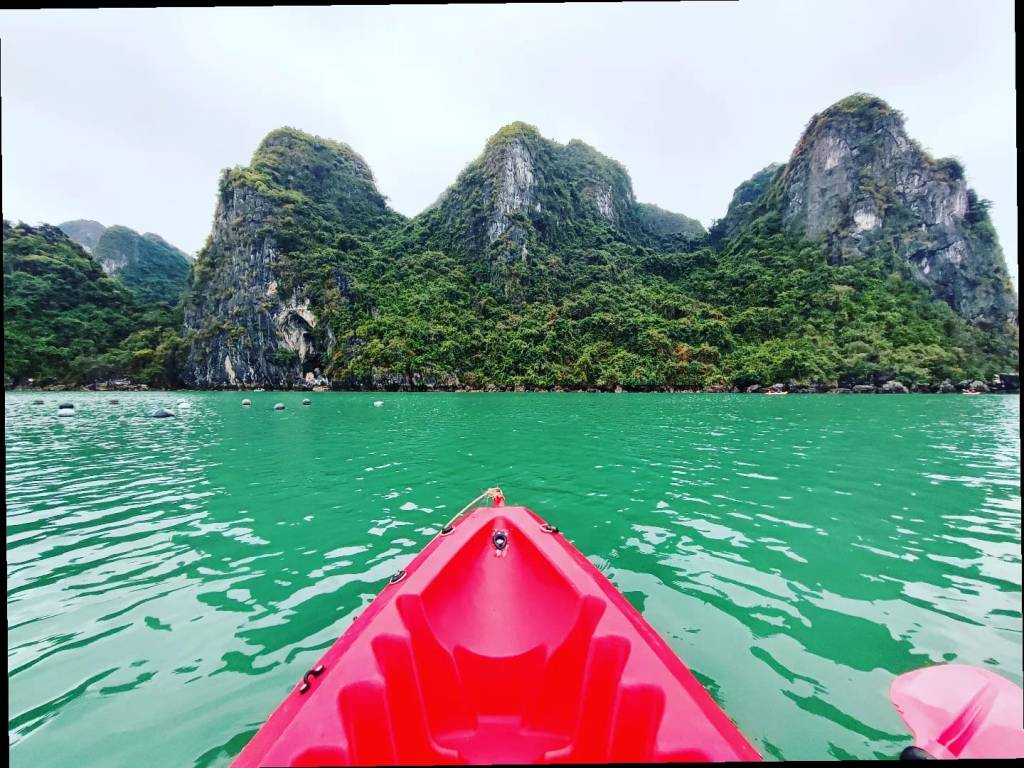

🍛 Costa Rican Cuisine

Costa Rican food is simple, nourishing, and delicious (even if, for my tastes, a bit heavy and without enough vegetables -as basically all gastronomies in Latin America):

  • Gallo Pinto – The classic breakfast of rice and beans with platanos fritos, sausage, avocado, and cheese.
  • Casado – The traditional lunch plate with rice, beans, salad, patacones and meat or fish.
  • Patacones – Fried green plantains served with guacamole or beans.
  • Caribbean rice and beans – Cooked in coconut milk with a spicy kick.
  • Coffee – Strong, aromatic, and part of daily life (not for me cause I don’t like coffee).

💡 Travel Info & Tips

  • Currency: Costa Rican Colón (₡), but US dollars are widely accepted.
  • Exchange rate (2025): Around ₡500 = $1 USD, the EURO should be around ₡530.
  • Safety: One of the safest countries in Central America. Be cautious with your belongings at the beach and in some areas of San José. I always felt safe everywhere, though, especially in small towns.
  • Transport: Public buses are cheap and reliable. Bike rental in Puerto Viejo costs around $5–10 per day.
  • Language: Spanish is the official language; in the Caribbean region, many also speak English and Creole.
  • Climate: Warm and humid all year. The Caribbean coast often stays sunny even when the Pacific is rainy. I went during the rainy season, which goes from May to December. It was not raining every day like in Panama, but when it rained, it really rained.

💰 Costa Rica on a Backpacker’s Budget

Costa Rica is not the cheapest in Latin America, probably the most expensive, together with Uruguay, Argentina, and Chile, but it’s still accessible, especially when volunteering as I did. Here’s what to expect (2025 prices):

ItemAverage Price (USD)
Dorm bed in a hostel$12–18 per night
Private room in a budget hotel$25–40 per night
Meal in a local soda (restaurant)$5–8
Street food or snack$2–4
Coffee$1.50–2
Bike rental (per day)$5–10
Bus San José → Puerto Viejo$12–15
National Park entry$0–15
Volunteering (like El Clan Hostel)Work exchange – accommodation included

With volunteering, cooking your own meals, and traveling locally, you can comfortably live on about $20-25 per day.


🌺 Culture and People

Costa Ricans — or Ticos — are known for their warmth and optimism. Their national saying, “Pura Vida,” means pure life, but it represents much more: a mindset of peace, simplicity, and gratitude.

The country abolished its army in 1949 and invested heavily in education, healthcare, and environmental protection. The Caribbean region, with its Afro-Caribbean, Bribri Indigenous, and Latin influences, is especially rich in culture, music, and spirituality — a place where the rhythm of reggae meets the heartbeat of the jungle.

_________________________________________________________________________

🥰 Friends who made my stay remarkable

Marla is the very first person I met when I arrived in El Clan. When we met, she had a beautiful skirt decorated with a big shiny belt, mossy blonde hair, and a big smile. “You’re the new girl, right? Welcome to Puerto Viejo! I’m Marla,” so she gave me the most joyful welcome. She is very young, about 20 or even less, and she has stayed for 3 months in Perù before coming to CR. In the next few days, she lent me some of her cool clothes to go dancing together, but unfortunately, she was at the end of her volunteering, so I couldn’t spend much more time with her. 

Mara is a special friend of mine now. She’s from Buenos Aires, Argentina, and she definitely has that famous Argentinian cute accent when they pronounce the double “l”. I remember Marla asked me if I had already met Mara, I said no, and she replied, “Don’t worry, you’ll meet her soon enough. She’s really funny, very artistic, and you can recognise her from 2 blond locks of hair in her dark hair.” She was right about everything! Mara was working in the reception, and basically, I took her place straight away. She left the hostel a couple of days later, but she didn’t leave Puerto Viejo, she went volunteering in another hostel painting for them a murales with the map of the town. She loved Puerto Viejo so much that she stayed for more than 6 months! Only recently, she moved on in her travels to Nicaragua. We shared a lot of great moments, deep conversations about love, relationships, art, traveling, food, cultures… we went to the beach by bicycle, to dance at Clan Vibes, we participated in the belly dance contest at Hot Rocks, we had delicious gelato and alfajores together, we went to a waterfall with Nati, we hitchhiked, we did the cacao tour with other friends, we laughed and kept a beautiful friendship that I hope will bring us to cross our paths again soon.
Nati arrived a few days after me, in the late evening, when I was about to close the reception at 22. She’s from Santiago de Chile, and she’s my first Chilean friend who introduced me to the incomprehensibility of the Chilean version of Spanish. The first time she texted me “weona,” I got confused and asked Mara what the meaning of that word was, thinking she must have made a spelling mistake, but Mara told me, “Ohhh, don’t worry, it’s Chilean slang, I also don’t understand any of it.” We shared the room and our complaints about some chaos going on in the volunteer room, with unknown boys sleeping in empty beds, annoying noises, dirty bathrooms, etc. She was working at the swimming pool’s bar, so I frequently visited her there, where, rarely, clients would come to order something, so, unlike me at the reception, she had quite a lot of dead hours. I soon got used to her “weona”, “al tiro”, and “cachai”, and we quickly became good friends. We talked about boys a lot, we played foosball, or ” taka taka” even more, both being incredibly competitive, we went around with the bicycle, she helped me do some clothes shopping, and the day I left, we exchanged bracelets so that each of us has something of the other one. I met her again very recently cause I’ve travelled in Chile for about a month. It always makes me smile to hear her complain about Chilean men and Chile. From what I experienced, I really loved Chile! It was amazing to meet again after 4 months! She invited me and my boyfriend, Yousef (yeah, many things happened after Costa Rica…), for dinner at her house in Santiago, where I met her lovely family: her grandpa, her auntie, and her cousin! We talked till late, and then we met again at the black lake beach of Pucón a few days later. Next time we’ll probably meet in my country, Italy, or somewhere in Europe, since she’s planning on going there for a while next year.
Rocio also comes from Santiago de Chile, and she’s been backpacking across Latin America for long enough. One day she prepared with Nati a Chilean cocktail called Terremoto, then they were selling it at the swimmingpool bar. Rocio was the social media manager of the 2 hostels, so she was always taking pictures and videos of all the activities going on. She took some nice videos of the salsa classes, where I was always the first one to arrive, ready to dance.

Patti is from Poland but has spent the majority of the past years living in Latin America, especially Mexico. She was working in the reception of the other hostel, Casa Wolaba, where I was always going for the free salsa and bachata classes, the karaoke nights, and the takataka. We shared our tiredness of dealing with clients who texted us 1000 messages full of “!!!!!” and “?????” and long voice notes. She’s now going up to Central America, continuing exploring tropical beaches and volunteering in different places.

Cata is also from Argentina, like Mara, but she’s from the deep south, Ushuaia, the end of the world. She’s the fittest, most muscular girl I’ve ever met. Not surprisingly, then, she was the one giving yoga classes every morning in La Tribu, the other hostel associated with mine. She lived in Italy for like a year, and I could talk Italian with her. She was always wearing sports clothes and was always joyful and friendly with everyone.

Nicole is from Mexico, from a city called Puebla. She had her hair dyed blond, and she was living in the same dorm. She came to Costa Rica with her friend Vanessa, also from Puebla. They were working at the bar in Casa Wolaba, so I didn’t really spend a lot of time with them. I also met another volunteer from Mexico, Fatima, who can speak some Italian, and one night sang an Italian song with my friend Luis during a karaoke night.

July was working in El Clan and also staying in my dorm. She’s from Limón, Costa Rica, and she recently divorced from her husband, so now she’s got a different boyfriend for every day of the week. When we met, she said she’s Italian, so I got confused cause she couldn’t speak Italian, then she explained to me that her father is Italian and she lived with him in Rome for some tim,e but that she didn’t have a good experience with that part of the family cause she was the “outsider” not being really Italian. She lent me a sexy green tight dress one night. She really had a lot of cool clothes and accessories! 

Fernanda is another Chilean girl who came to El Clan as a guest with her mum and brother. I remember managing their reservation and bringing them to their room. She asked me where she could do some yoga, and then I found out she’s a yoga teacher. One night, she was dancing like crazy with her brother in Casa Wolaba during a party. I joined them, and their energy was contagious, so I also danced like there’s no tomorrow. 

Daniel is from Amsterdam, but his father is Iranian. He was on a one-month holiday before going to the USA and then back home. His mum visited him and stayed in a dorm as well. One day, also with David and Lela, we went to Manzanillo National Park, and we laughed and cried while constantly slipping on the mud, but we had a great time exploring the wild forest and the huge number of insects in the park. At the end of the day, we were all brown from the mud, and then we had a delicious dinner and a magical sunset in Manzanillo. He often came to the reception to chat with me and tease me every time I had no guests, and so I was not “working incredibly hard” as I often announced. One day, we went by bicycle to Playa Punta Uva, we had a fresh coconut to drink, and we swam a lot in the ocean while laughing and talking about everything.

David is German and looks German, but he’s funny! Even the day we went to hike in Manzanillo, he was faultlessly elegant with his white shirt and high-quality clothes. He was also on a short holiday, so that soon enough he went back to Germany to do more German business there, but I can see that he often takes holidays to beautiful destinations.

Lela is from Romania, but she used to live in Poland. She works remotely and loves to travel in Latin America and Asia. We went together to the 2 national parks around Puerto Viejo and shared many pleasant conversations and moments. 

Mona is German but has lived in Argentina for many years. She’s very sweet and kind. I met her for the first time when she came to the reception to ask me to book for her and another girl to Bocas del Toro. With her, I only speak Spanish, and it’s funny cause she has a 100% Argentinian accent. She was also backpacking through the world years ago, and then she found love in the country of Maradona and decided to put down roots there. I’m in Perù right now, it’s almost Christmas time, and just 2 days ago I met her again by chance in Lima. She just started a one-month trip with her boyfriend Pancho and their children, Elia and Reiner. We met up at the fountain show and then again by the beachside for sunset. Life is really pretty magical sometimes!

Filippo is from the German part of Switzerland, but his parents are Italian, so he speaks almost perfect Italian, to my joy, to be able to speak in my mother tongue after so long. He’s the person with the biggest amount of tattoos I’ve ever met in my life, he’s in his mid 20s, and he almost finished all the space on his body for tattoos. I asked him what he would do when he’s older and doesn’t have space for tattoos, he replied “I’ll cover the previous tattoos with new tattoos and maybe get all black. Not surprisingly, he’s a tattoo artist. He’s got a very unique style with his clothes and mustaches; he’s got a twin brother who really looks exactly like him, apart from the tattoos. We shared some special moments in Hot Rocks, by the beach at night, and in Casa Wolaba, where we played a fun game with Nati and a French guy who comes from a remote village in France and doesn’t have a smart phone nor internet. He suddenly kissed me in front of everyone during the game because it was part of some penalty…

Yarden is from Israel. I met her the day I went on the cacao farm tour with Nati and Mara. She’s very kind, full of energy, and fun.     

Idan is her boyfriend, also from Israel. He’s also a lovely person to hang out with. One evening, they cooked for me and brought me dinner at my desk while I was working (cause I always worked from 16 to 22 without a break for dinner). Then she also cooked for me and Idan a delicious Israeli breakfast with eggs, tomatoes, and sausages. The 3 of us traveled together to San José by bus 2 days before my flight to Brazil and their flight to Ecuador. 


❤️ Why Costa Rica Is My Favorite Country in Latin America

After traveling across so many countries, I can confidently say that Costa Rica is my favorite in Latin America so far. It’s small but incredibly diverse — jungles, volcanoes, beaches, and wildlife all packed into one peaceful, eco-friendly nation.

From my time volunteering in the wild Pacific jungles of Bolita to my Caribbean life in Puerto Viejo, from city jazz nights and tacos with Luis and Jannes to market feasts with Andrew, Costa Rica gave me something hard to put into words — a sense of belonging and harmony with the world.

Here, Pura Vida isn’t just a phrase — it’s a way of life.


✈️ Next Stop: Brazil

Originally, I planned to continue north to Nicaragua, but August is the month I always travel with my mum. It had been her dream for years to visit Brazil, so, even if Brazil was really not on my plans this time, I changed my route and took a flight from San José to Salvador de Bahia.

It was also my second time in Brazil — two years earlier, the very first stop of the beginning of my backpacking journey, I had volunteered in an NGO for two months in Fortaleza, Volontariato in una Ong in Brasile: la mia esperienza and I was actually excited to return to a country that I really love. This time, it was a special journey: a one-month trip across Brazil with my mum, discovering beaches, cities, and nature together, from the south to the north, from the east to the west. We crossed this vast country, taking five internal flights, from the tropical northeast to the bustling south, living another unforgettable chapter of this endless Latin American adventure. From Salvador de Bahia to São Luís and the Lençóis Maranhenses, to Manaus and the Amazonas, to the Pantanal in Mato Grosso, to Iguazu Falls, to Rio de Janeiro…

But that is a story for the next article. 🌎✨

If you enjoyed my article, subscribe and leave a like!

Eli ❤

ICELAND: 10 DAYS ROAD TRIP ITINERARY AROUND THE LAND OF ICE AND FIRE

INTRODUCTION

Incredibly cold, desolate, and expensive, Iceland can be a challenge if you don’t enjoy harsh climates and high prices. Yet despite these obstacles, it is one of the most breathtaking destinations on Earth. In the north-western part of Europe, it lies, next to Greenland and the Arctic Circle. In my travel experience, this country shares some similarities with Norway and Alaska, but it’s so unique that I struggle to compare it to other countries. 

Just before leaving Europe to start my backpacking journey through Latin America in May, I went on a 10-day road trip with my mum over the Easter holidays at the end of April. We knew that I would be away from Europe for a long time, so my mum proposed taking me to Iceland for a mum-and-daughter road trip before I left for my long Latin American adventure. Well, I adore road-trips!

Together, as we traveled around in the car we rented, we discovered landscapes so dramatic and unique that every moment felt like stepping onto another planet. Every day as we passed by fuming geysers, powerful waterfalls, immense glaciers, black sand beaches, tiny red churches, beautiful wild horses, scary volcanoes, dramatic canyons, lush forests, and weirdly shaped mountains, my mum kept asking me in awe, “Eli, have we landed on Mars or what strange and unique place are we in?” And every day I reminded her, “Mamma, this is Iceland”.

From glaciers and volcanoes to endless waterfalls and steaming hot springs, Iceland is a land of contrasts — and you will agree with me: it is absolutely worth visiting. No place on Earth is quite like it. Even I, a forever sunny tropical island girl, loved visiting this country (even if the cold weather was a challenge- and it was even the “warm season”!).

Iceland is often described as the “Land of Fire and Ice”, a name earned through its combination of:

  • 269 glaciers (including Vatnajökull, the largest one in all of Europe), which are sadly melting and becoming smaller year after year due to climate change
  • Over 130 volcanoes (about 35 active — Iceland sits on the Mid-Atlantic Ridge),
  • more than 10,000 waterfalls, kept alive by rainfall and glacial melt,
  • And 3 national parks that protect this fragile wilderness:
  1. Þingvellir National Park (UNESCO World Heritage Site, cradle of Icelandic democracy)
  2. Vatnajökull National Park (Europe’s largest, with glaciers, volcanoes, and surreal ice caves)
  3. Snæfellsjökull National Park (famous for its glacier-topped volcano and Jules Verne’s Journey to the Center of the Earth)

HISTORY, CULTURE & TRADITIONS

Iceland was settled by Norse Vikings and Celtic people around 874 AD. Its early parliament, the Althing, was founded in 930 AD at Þingvellir, making it one of the oldest parliaments in the world. Visiting this place felt like being in a Viking movie. Despite volcanic eruptions, famines, and centuries of isolation, Icelanders preserved their language, literature, and sagas, which remain central to their identity today.

  • Language: Icelandic, directly descended from Old Norse, is spoken in a form still close to what Vikings used. English is widely spoken as well, but Icelanders are proud of keeping their language pure.
  • Religion: Iceland converted from paganism to Christianity in the year 1000 AD, though legends of Norse gods, trolls, elves, and hidden people (huldufólk) still thrive in folklore. Many Icelanders still build their houses with “elf rocks” left untouched. Lots of small, cute churches (and churches whose architecture is really particular) can be seen and visited around the country.
  • Legends & Folklore: Almost every mountain, lava field, and waterfall has a story. Reynisfjara beach is said to be formed from trolls turned to stone, and Goðafoss waterfall marks the symbolic end of paganism. You can find a lot of books about the legends of Iceland in the libraries.
  • Traditions: Icelanders celebrate Þorrablót (a midwinter feast with traditional Viking foods), Jólabókaflóð (the Christmas “Book Flood,” when everyone gives books as gifts), and midsummer festivals under the midnight sun like other Nordic countries.
  • Food & Cuisine: Historically, Icelanders ate what they could survive on: lamb, fish, dairy, rye bread, and preserved foods. Today, you’ll find Skyr (high-protein yogurt-like dairy), lamb soups, rye bread baked with geothermal heat, and disputed dishes like hákarl (fermented shark), horse meat, and whale meat. In general, food in Iceland is incredibly healthy, with lots of focus on fresh vegetables, fish, meat, multigrain breads, pure yogurts, seeds, and nuts. Animals roam around freely, the pollution is really low, so that also the quality of meat, fish, milk, and eggs is high. I truly enjoyed the food in Iceland.
  • Tourism: Until the 1990s, Iceland was rarely visited and known abroad. But after the 2010 Eyjafjallajökull eruption made global headlines, tourism exploded. Today, over 2 million visitors arrive each year — six times Iceland’s population. Compared to the country’s local population, it’s a lot; compared to other European destinations like Italy, France, or Spain, which receive about 100 million tourists each year, it’s not much. Nevertheless, Iceland only recently started opening to receive tourism, so there this sector is not fully developed yet.

NATURE & WILDLIFE OF ICELAND

Iceland sits on the Mid-Atlantic Ridge, where the Eurasian and North American tectonic plates meet. This geological setting creates a land in constant transformation — where fire and ice coexist.

Volcanoes

  • About 130 volcanoes — eruptions occur roughly every 4–5 years.
  • The Eyjafjallajökull volcano stopped European air traffic in 2010.
  • Hekla was once called “The Gateway to Hell.”
  • Askja and Katla are among Iceland’s most dangerous.

Glaciers

  • Cover about 11% of the island.
  • Vatnajökull, the largest glacier in Europe, covers 8% of Iceland.
  • Many have retreating ice tongues, where icebergs calve into lagoons like Jökulsárlón.

Waterfalls

With over 10,000 waterfalls, Iceland is a paradise:

  • Gullfoss (Golden Falls),
  • Seljalandsfoss (walk behind the water),
  • Dettifoss (Europe’s most powerful),
  • Goðafoss (linked to the conversion to Christianity, literally meaning the waterfall of God).

Wildlife

  • Birds: Puffins, Arctic terns, guillemots. Puffins nest from April to August on cliffs. Unfortunately, during the period I was there, I couldn’t see any puffins. I only saw them in Alaska more than 10 years ago. They’re super cute.
  • Marine life: Whales, dolphins, seals — whale-watching tours are common in Húsavík. The whale museum in Reykjavik was very interesting. During specific times of the year (From April to October), you can go on a whale-spotting boat tour. My cousin Chiara went in November and she didn’t spot any whales.
  • Land mammals: The Arctic fox (native), plus Icelandic horses, sheep, and reindeer.
  • Northern Lights: from September to March, the aurora borealis dances in the long night skies, flashing a show of colours. I’ve not seen it yet.

SEASONS & WEATHER

Iceland has four seasons like the rest of Europe, but they don’t feel quite the same. Even in summer, you’ll never find scorching heat — instead, the weather is mild, often unpredictable, and can change dramatically within a few minutes. A saying you’ll often hear is: “If you don’t like the weather, wait five minutes.” This country is always too damn cold for my taste.

  • Spring (April–May): Temperatures range from -1 to 6°C. Snow begins to melt, but many areas can still look wintry. Easter, when I visited, is a mix of chilly winds, patches of snow, and bright sun. Puffins start arriving in late April.
  • Summer (June–August): The warmest season with 4–15°C (!!!). It is definitely not as hot as the 40°C that you can find in many other European countries. This is the season of the Midnight Sun, when daylight lasts almost 24 hours in the north. It’s also the busiest tourist period, perfect for road trips.
  • Autumn (September–October): Temperatures drop to 3–11°C. Days shorten quickly, the landscapes turn golden, and it’s a good time for fewer crowds. The Northern Lights season begins.
  • Winter (November–March): Expect -3 to 3°C, snow, storms, and long dark nights. This is the best season to see the aurora borealis, but also the most challenging for driving. Many highland roads are closed due to heavy snow.

👉 Tip: Always pack layers, waterproof gear, sturdy boots, gloves, a hat, and a scarf. The weather can shift from sunshine to snow in a single hour.


COSTS & BUDGET

Iceland is one of the most expensive countries in the world, together with Switzerland, Singapore, and the Bahamas: your wallet will notice it immediately. Here’s a realistic breakdown of the costs:

🏨 Accommodation

  • Hotels: from €150–200 per night for a double room with breakfast. In Reykjavik or along the South Coast, it can easily reach €250+ in high season.
  • Guesthouses & farm stays: €100–150 per night. We opted for this kind of accommodation apart from the first night in Reykjavik, when we stayed in a private room in a hostel with a shared bathroom.
  • Hostels: €40–60 per bed in shared dorms.
  • Camping: around €10–20 per person, only possible May–September.

💡 Tip: Many guesthouses have shared kitchens — cooking your own dinner can save a lot of money.


🍽️ Food & Drinks

  • Restaurant meals: €30–50 per person for a main dish and drink.
  • Soup or salad lunches: €15–25.
  • Hot dog (pylsa): €5–7 (try the famous stand Bæjarins Beztu Pylsur in Reykjavik).
  • Coffee: €4–5.
  • Beer: €10–12 at bars; €3–4 in supermarkets (buy at the airport duty-free for best value).
  • Supermarkets: Bonus, Kronan, and Netto are the cheapest — expect €10–15 for a picnic meal. 
  • A slice of skyr cake: 10/12€

🚗 Transport & Car Rental

  • Car rental: about €700–900 for 10 days (compact car); 4×4 vehicles start at €1000+.
  • Fuel: €2.10–2.30 per liter (one full tank = around €90).
  • Parking: often free outside Reykjavik, but in the capital and main attractions, it costs around €1–3 per hour (you can pay via the Parka app).
  • Toll road: only one, at the Vaðlaheiðargöng tunnel near Akureyri, costs about €10 per crossing (pay online within 3 hours).
  • Ferries: e.g., Stykkishólmur–Flatey Island–Brjánslækur route costs around €30–40 per person.

💡 Tip: Always fill up before long drives; gas stations can be 100 km apart in remote regions.

🏞️ Attractions & Activities

Many natural sights are free — waterfalls, glaciers, beaches, and viewpoints. But others, especially museums and hot springs, charge entry fees. Parking in front of the natural sights has a fee that you must pay; otherwise, you’ll receive a fine (they have lots of cameras that see the car registration number).

Museums & Cultural Sites

  • National Museum of Iceland (Reykjavik): €18
  • Whales of Iceland Museum: €28
  • Perlan Museum (with ice cave & planetarium): €35
  • Saga Museum: €25
  • Glaumbær Turf Farm Museum: €10

Natural Attractions:

  • Seljalandsfoss waterfall: €7 parking fee.
  • Skógafoss waterfall: €5 parking fee.
  • Þingvellir National Park: €6 parking fee.
  • Kerid Crater: €5 entry.
  • Stuðlagil Canyon: free.
  • Goðafoss: free.
  • Snæfellsjökull National Park: free.

🧖‍♀️ Thermal Baths & Hot Springs

Iceland’s geothermal pools are a highlight — but they vary hugely in price and style.

Thermal Pool / BathLocationPrice (Adult)Notes
Blue Lagoonnear Keflavik€90–120Most famous, milky-blue water, luxury spa feel
Sky Lagoonnear Reykjavik€65–85Stunning ocean views, 7-step ritual experience
Secret Lagoon (Gamla Laugin)Flúðir€25–35Oldest pool in Iceland, natural and rustic
Vök Bathsnear Egilsstaðir €40–55Lake-side geothermal pools, beautiful setting
Mývatn Nature BathsNorth Iceland€45–55Cheaper, similar to Blue Lagoon, but less crowded
Reykjadalur Hot Rivernear HveragerðifreeNatural hot stream, 1-hour uphill hike required
SeljavallalaugSouth CoastfreeThe hidden pool was built in 1923, a 15-minute walk from the parking

💡 Tip: Bring your own towel and swimsuit — renting them costs €5–10.

❄️ Adventure Tours

ActivityAverage Price (Adult)
Glacier hike€100–130
Ice cave tour (winter only)€130–180
Snowmobile tour€180–250
Whale watching€80–100
Horse riding tour€80–120
Northern Lights tour€60–100
Snorkeling between continents (Þingvellir)€130–160

👉 Daily Budget Estimate (per person):

  • Budget traveler: €70–100 (hostels, supermarket food, buses, no tours)
  • Mid-range: €150–250 (guesthouses, car rental, mix of restaurants & picnics, some tours)
  • Comfortable: €300+ (hotels, dining out, guided tours, spas)

TRAVEL TIPS & PRACTICAL INFO

Driving:

  • The Ring Road (Route 1) is the main highway circling the island, about 1,322 km. It’s paved and well-maintained, but can be icy or windy even during the “hot” seasons.
  • Check road.is daily for closures and vedur.is for weather forecasts.
  • Fuel up whenever possible — stations can be far apart in the countryside, and you can drive for hours without finding a gas station.
  • Be careful when opening a door; the sudden strong winds may detach it. We got warned at the car rental office.

Money:

  • Currency: Icelandic Króna (ISK).
  • Credit/debit cards are accepted everywhere, even for tiny purchases. Cash is rarely needed. We never even bothered to change our Euros into ISK, we just used a credit card everywhere.

Safety:

  • Iceland is literally one of the safest countries in the world, with almost no crime at all. You can walk around at night alone, carrying lots of expensive jewelry and items, and no one will pay attention to you.
  • Unlike most countries I traveled to, the real danger doesn’t come from people; it comes from nature: strong waves at beaches (at Reynisfjara beach, people keep dying drowned after being swallowed by the sudden strong waves), slippery, sharp rocks near waterfalls, and fast-changing weather. Always respect warning signs. Nature is not a joke, and in Iceland, nature is the indisputable boss.

Food to Try:

  • Skyr: Thick, creamy dairy product (like yogurt, but richer and more protein-rich).
  • Icelandic lamb: Grass-fed and flavorful.
  • Plokkfiskur: Fish stew with potatoes.
  • Hot dog (pylsa): Iceland’s most popular snack, often topped with crispy onions and mustard. I personally don’t like hot dogs, so I didn’t try any, but my mum did and she said that it was delicious.
  • Rye bread: Sometimes baked underground with geothermal heat.
  • Hákarl: Fermented shark — not an ethical choice, local people don’t even eat it nowadays, it is now more a tourist/bragging thing.

Language:

  • Icelandic is the official language, closely related to Old Norse.
  • Most locals speak excellent English, so communication is easy.
  • Many Icelandic geographic names are compound words — descriptive terms built from Old Norse roots that describe natural features (like waterfall, glacier, mountain, etc.).
  • foss → waterfall, jökull → glacier, fell → mountain or hill, fjall → large mountain, fjörður → fjord, dalur → valley, ey→ island, nes → peninsula or cape, sandur → sand plain, vatn → lake, á → river, laug → hot spring or pool, hlíð → slope or hillside, höfn → harbor, holt → hill, hóll → small hill, vogur → bay, bær / staðir → town, village, or farmstead, vík → bay, vellir → fields, brekka → slope

Electricity & Connectivity:

  • Standard European plugs (Type C, F).
  • Wi-Fi is widely available, even in remote guesthouses.

When to Book:

  • Accommodation and car rentals sell out quickly, especially in summer. The offer is limited too. Book months in advance so as not to find negative last-minute surprises.

MY 12-DAY ICELAND ITINERARY

Day 1 – Arrival in Reykjavik

So, it was all a bit crazy, but that’s typical of me… My mum and I had our flight from Italy very early on the morning of the 22nd of April (like, we had to wake up at 5 a.m. and there’s nothing I hate more than having to wake up so early), and I arrived home on the late afternoon of the 21st of April from Vienna (I backpacked for about 20 days in Switzerland, Liechtenstein, Germany, Slovakia, and Austria). So I had just a few hours to unpack my bags from my little, intense European tour and prepare my luggage for Iceland. I took that flight so tired that I just slept non-stop till reaching the destination. It was a flight Bologna–Helsinki–Reykjavik with Finnair (note: no food served, so pack snacks!). Arrival around 17.00 local time. Evening stroll through Reykjavik, first glimpse of colorful houses under northern twilight, and first (very expensive) dinner out. It was still bright at 22.30, so the feeling was that it was still afternoon.


Day 2 – Reykjavik

Highlights:

  • Hallgrímskirkja: Church inspired by basalt columns. A bit gloomy for my taste. The tower gives panoramic city views.
  • Rainbow Street: Vibrant symbol of inclusivity, leading to the church. A colorful, good spot for pictures.
  • Harpa Concert Hall: Glass honeycomb façade; I saw the Lava Show here.
  • National Museum: Excellent overview of Viking settlement and sagas. Very interesting.
  • Phallological Museum: Weird but funny collection of animal and (one) human phalluses. Definitely not a mainstream museum.
  • Blue Lagoon: Famous geothermal spa (€100+) about a 40-minute drive from the capital, milky-blue water at 38°C, rich in silica and minerals, with mud masks provided. Surreal experience! A must-do in Iceland. I loved it. My skin felt so soft afterwards.

Tips: Reykjavik is walkable, and nightlife is lively with a lot of pubs, restaurants, and live music.


Day 3 – The Golden Circle

  • Þingvellir National Park: UNESCO site, rift valley between tectonic plates, and birthplace of Iceland’s parliament. You can even snorkel in Silfra fissure. A beautiful place to have a walk in.
  • Geysir: The original geyser. Today, Strokkur erupts every 5–10 minutes up to 20 m high. People reunite around it in a circle to witness the event.
  • Gullfoss: Golden Falls, a two-tiered waterfall plunging into a canyon.

We then slept in Hella, not much to see there.


Day 4 – South Coast

  • Seljalandsfoss: Walk behind this 65 m waterfall — magical.
  • Kvernufoss: Hidden, less touristy waterfall in a mossy gorge.
  • Sólheimajökull Glacier: Easy-access outlet glacier of Mýrdalsjökull. Guided hikes available.
  • Reynisfjara Black Sand Beach: Basalt columns, roaring Atlantic waves, Reynisdrangar sea stacks (trolls turned to stone). Beware of deadly “sneaker waves.”

We spent the night in Vík.


Day 5 – Vatnajökull National Park

  • Fjaðrárgljúfur Canyon: Winding green canyon (1.4h drive). A surreal landscape.
  • Vatnajökull Glacier: Largest in Europe — we joined a 4h ice exploration tour (€160 each) with guide Iga from Poland in a supercar. Stunning blue ice and crevasses. Honestly, one of the most incredible experiences I had in my life. A must-do.
  • Jökulsárlón Glacier Lagoon: Floating icebergs from Vatnajökull. Magical at sunset.
  • Diamond Beach: Black sand dotted with glittering ice chunks. Lots of seals are swimming between the ice blocks. An incredible scenario; again, it reminded me of Alaska.

Day 6 – East Fjords

  • Viking village set (not worth it, you can skip it: it was completely abandoned and all the buildings were in ruins).
  • Stokksnes Peninsula, near Höfn, is one of the most spectacular spots in southeastern Iceland — famous for the black sand dunes, the dramatic Vestrahorn Mountain rising sharply from the sea, and surreal reflections that change with the light and tide. It’s a photographer’s dream, especially at sunrise or sunset, and entrance to the area costs around 900 ISK (about €6), payable at the Viking Café nearby.
  • Long drive to reach Vok. Relax at Vök Baths, hot pools floating in a cold lake.

Day 7 – North Iceland

  • Stuðlagil Canyon: Striking basalt column canyon, turquoise river.
  • Dettifoss: Europe’s most powerful waterfall, 44 m tall and thunderous.
  • Selfoss (nearby): Wide, elegant waterfall upstream.
  • Hverir geothermal area: Bubbling mud pots, sulfur smells, and bright red, yellow, and green colors all around, a Mars-like landscape.
  • Mývatn Nature Baths: Cheaper, less crowded alternative to Blue Lagoon. With our third thermal bath, at this point, our skin was incredibly soft, and we were super relaxed.

Day 8 – Akureyri & North

  • Goðafoss (Waterfall of the Gods): Where a Viking chieftain threw his pagan idols after Iceland converted to Christianity in 1000 AD.
  • Akureyri: Iceland’s second-largest town, with botanical gardens and street art. A widely visited church (for me, it was quite ugly). The starting point of many whale tours. A curiosity about this city is that its streetlights are in heart shape, very cute. But be careful when standing in the middle of the road to take a picture with them.
  • Glaumbær Turf Farm Museum: Preserved traditional turf houses. You can see how people used to live in the past centuries. There’s a room with old pictures of some of the town’s remarkable citizens. The doors are all very small, so to preserve the precious heat, if you’re tall (like me), you need to bend down to avoid hitting your head (like me).

Day 9 – Snæfellsnes Peninsula

Called “Iceland in Miniature” for its varied landscapes. The Snæfellsnes Peninsula in north-western Iceland is about 90 kilometers long and roughly 10–20 kilometers wide on average — though its winding coastal roads and scenic detours make it feel much larger when you drive it.

If you do the full loop around the peninsula, including stops and side roads (like Arnarstapi, Djúpalónssandur, and Kirkjufell), you’ll cover around 250–300 kilometers total, which takes a full day to drive with sightseeing, or two days if you want to explore at a relaxed pace. We did it all in one day, starting early in the morning after spending the night in the small and quiet village of Blönduós.


Highlights:

  • Kirkjufell & Kirkjufellsfoss: Iconic mountain seen in the series Game of Thrones. It has the shape of a shark’s fin.
  • Snæfellsjökull National Park: Glacier-volcano, entrance to Jules Verne’s book Journey to the Center of the Earth.
  • Arnarstapi–Hellnar walk: Coastal cliffs with basalt arches.
  • Djúpalónssandur Black Beach: Shipwreck remains, “lifting stones” used by fishermen.
  • Búðir Black Church: Photogenic church among lava fields.
  • Stykkishólmur town: Charming harbor, colorful houses, ferry port to Flatey.

Day 10 – West Iceland

  • Barnafoss: “Children’s Falls,” linked to a tragic legend.
  • Hraunfossar: Series of waterfalls flowing through lava fields.
  • Reykholt: Historic village of Snorri Sturluson, saga writer.

Back to Reykjavik for the night, we finished the ring road tour and arrived at the departure place. We had one more day to finish the exploration of the capital of Iceland.


Day 11 – Reykjavik

  • Whales of Iceland Museum: Life-size whale models and marine biology exhibits. Very informative as well. We spent at least one hour watching a well-made documentary about whales and the threats to their lives.
  • Perlan Museum: Freezing ice cave replica, Northern Lights planetarium: a museum about the natural aspects of the country. Located on Öskjuhlíð Hill, the Perlan Museum is one of Reykjavik’s most iconic landmarks — a glass-domed structure built atop six huge water tanks that once stored the city’s hot water. Inside, it combines cutting-edge technology with natural wonders, offering a deep dive into Iceland’s extraordinary landscapes and environment. Visitors can walk through a real indoor ice cave, explore interactive exhibitions about volcanoes, glaciers, geothermal energy, and the Northern Lights, and enjoy breathtaking 360° views of Reykjavik from the observation deck at the top. The museum also has a planetarium, where a 20-minute show projects the aurora borealis across the dome’s ceiling, simulating the magic of seeing it in nature.

💡 Tip: Entry costs around €35 per adult, and the panoramic café upstairs is perfect for a coffee break with one of the best views in the city.


Day 12 – Departure/back home

Return flight to Italy from Reykjavik. Unfortunately, our connecting flight was overbooked, so once in Finland, we were chosen among the unfortunate passengers who had to wait until the next day for our flight. Finnair paid us a night in a beautiful hotel in Helsinki, with dinner and breakfast included, and the next day, we made it home, where the warm temperatures of springtime welcomed us.


CONCLUSION

Traveling in Iceland with my mum was an experience of a lifetime. In just 10 days, we circled the island on a road trip, discovered its legends, glaciers, beaches, and endless waterfalls, and soaked in its surreal geothermal pools. Yes, Iceland is expensive, desolate, and cold, but its beauty is priceless. People are not the most welcoming, kind, or fun, but its culture, legends, and history are rich and fascinating. I would personally not be able to live there for long, but many foreigners (I met Spanish, Polish, and Greek young people) choose to live in this country for one year or more for the high salaries, the high standards of living, the tranquillity and uniqueness of the place, and the strong presence of nature.

If you dream of a destination where nature still rules, where myths feel alive, where contrasts of ice and fire are your daily bread, and where you can stand between continents, admiring stunning landscapes, Iceland is waiting for you. I may come back one day, but this time in winter, to go hunting for the Northern Lights.

If you enjoyed my article, leave a like and subscribe for more travel adventures, tips, and itineraries. E. 

🌎 Backpacking 1.5 Months in Panama: Forest Hikes, Paradise Islands & Lifelong Friendships

My journey as a full-time traveler began exactly two years ago, on September 25, 2023, when I started exploring the world through a combination of volunteering and backpacking. It began in Brazil Volontariato in una Ong in Brasile: la mia esperienza, where I volunteered for two months, followed by a month of backpacking in Costa Rica My workaway experience in the tropical jungle of Costa Rica, where I discovered rainforests, volcanoes, and tropical beaches. Before and after spending nine months backpacking across Asia My 9 months of backpacking in Asia last year, I returned to Italy and traveled through Europe, taking in cities, landscapes, and cultures closer to home. Additionally, in February, I volunteered for one month in Zanzibar Il mio mese a Zanzibar, further expanding my experience of global cultures, landscapes, and marine life.

By the time I planned Panama last spring, it felt like the natural follow-up to this two-year adventure. I booked a €340 flight from Milan to Panama (basically the cheapest flight from Europe to Latin America I could find; that’s why I started with Panama), ready to continue my Latin American journey began 2 years ago.

Panama is a country of stunning contrasts: a narrow land bridge connecting North and South America, with Pacific and Caribbean coastlines, lush mountains, cloud forests, volcanic craters, and hundreds of tropical islands. Its culture is a vibrant mix of Indigenous, African, and Spanish heritage, reflected in music, food, festivals, and the warm hospitality of its people. May and June, when I visited, fall in the rainy season, with sudden showers, heavy clouds, and refreshing cool temperatures in the highlands. Panamanians are proud of their history, from Spanish colonization, independence from Spain in 1821, the brief union with Colombia, and finally separation in 1903, to the construction of the Panama Canal, one of the modern world’s greatest engineering feats. 

The country uses the U.S. dollar alongside the balboa coins, and its cuisine includes sancocho (chicken stew), arroz con pollo, patacones, empanadas, ceviche, and a variety of tropical fruits, complemented by world-famous Geisha coffee from Boquete.

Panama promised me a perfect mix of adventure, wildlife, culture, history, and friendships, and it delivered in every way. Over 1.5 months, I hiked, snorkeled, volunteered, and connected with travelers from around the globe, whose stories awed and inspired me. I used Workaway to find volunteering opportunities at Bodhi Hostel in El Valle de Anton and the guesthouse La Lune Topaz in Boquete, while the opportunity to volunteer at Discover Coiba Panama Tours presented itself to me spontaneously, with a meeting with Chure in Santa Catalina. As always, volunteering in a hostel/family/school/NGO/association or whatever allowed me to immerse myself in local life while contributing meaningfully, and definitely helped me with my travel budget (which is about 400 euros per month).

This is not just a “What to do and see” article, it’s something I write first of all for myself, for my friends, family and all the people that in the course of the years have been following my journey, it’s hours I decide to dedicate to putting down my experience with love and care, it’s a relate of my personal experience, my impressions, my unique “solo” backpacking journey in this incredible country, an homage to all the people, fellow travelers, I met on the way, to all the new friendships and forever-lasting memories that I carry in my heart.


Panama City: Urban Exploration & Couchsurfing Adventures

I stayed at Zebulo Hostel, a lively and cheap hostel in the heart of Panama City. My Couchsurfing reference, Gabriel, a worldwide basketball player, picked me up at the airport on the evening of the 11th of May and, for the next few days, showed me the city like a local, taking me to hidden gems and planning a mix of city sights and day trips.

Things to see and do in Panama City:

  • Casco Viejo – cobbled streets, colonial churches, rooftop bars with panoramic views (my favourite part of the city)
  • Cinta Costera – waterfront promenade perfect for walking or cycling
  • Biomuseo – Frank Gehry’s museum showcasing Panama’s biodiversity
  • Mercado de Mariscos – taste fresh ceviche and local seafood
  • Metropolitan Natural Park – hike through a rainforest reserve within the city (where Gabriel and I got trapped by a sudden tropical storm)
  • Pedro Miguel Docks – canalside views, boat watching, and fishing
  • El Dorado Mall – shopping and local cuisine
  • Calle de los Sombreros – an artisan street famous for handmade Panama hats (a perfect spot for pictures)

Day Trip to Colón

Gabriel surprised me with a day trip to Colón in his car, taking along my French friends from the hostel, Matteo and Victoria, who had been backpacking all of Central America for 8 months with their two cats (yes, you read it right!!!). Colón, often overlooked, has a fascinating combination of Caribbean culture, history, nature, and shopping, and we had a bloody good day there.

Things to see and do in Colón:

  • Panama Canal & Puente Atlántico – observe ships navigating the locks and cross the historic bridge (going there was a highlight of our trip, and the price to see the Canal is lower than in Panama City)
  • Agua Clara Docks – see canal operations close up
  • Castillo de San Lorenzo – historic fortress at the Chagres River mouth
  • Playa Sherman – relax on the beach and enjoy ocean views (basically, we were the only foreigners amongst a few local families)
  • Duty-free mall – incredible bargains on perfumes, hair & body oils, and creams (we did do lots of very satisfying shopping there)

Surprise Trip to El Valle

On the day I left Panama City, Gabriel surprised me by driving me all the way to El Valle de Antón, making the scenic journey comfortable and magical. This set the tone for my volunteer experience at Bodhi Hostel, hiking, exploring, and building lifelong friendships. I said hasta luego to Gabriel, ready to start the new chapter of my Panamanian adventure.


El Valle de Antón: Hiking, Waterfalls & Workaway Volunteering

Nestled in an extinct volcanic crater, El Valle de Antón is a lush town surrounded by cloud forests, waterfalls, and trails. I volunteered via Workaway at Bodhi Hostel, organizing hikes, game nights, group dinners, yoga classes, and movie nights. Originally planning a short stay, I ended up staying two weeks.

🌿 Things to See and Do in El Valle de Antón

🏛 Museums & Cultural Spots

  • El Valle Museum (Museo de El Valle) – small but informative, covering the geology of the volcanic crater, Indigenous artifacts, colonial history, and local wildlife.
  • Butterfly Haven – an enclosed garden with hundreds of butterflies, perfect to learn about their life cycle.
  • El Nispero Zoo & Botanical Garden – a small zoo with native and exotic animals, plus a botanical garden with orchids and unique plants.

🥾 Hikes & Viewpoints

(Most hikes have an entrance fee of 3 or 5 dollars)

  • La India Dormida – the most famous hike, shaped like a “sleeping woman,” with panoramic views of the valley. (My first hike leading a group of 13 people, I loved it despite all the sweating)
  • Cerro Gaital – a challenging hike with steep paths and one of the best views in El Valle, with its unique setting of the cloud forest
  • Cerro La Silla – scenic ridge hike perfect for sunrises (I loved it so much I went twice! Even if I hate waking up at 4 am) and sunsets
  • Cerro La Poma – a lesser-known hike with sweeping valley landscapes.
  • Square Trees Nature Trail (Arboles Cuadrados) – short trail with rare square-shaped tree trunks.
  • Mirador Las Luces – beautiful viewpoint overlooking the valley, especially at sunset.

💦 Waterfalls & Rivers

  • Chorro El Macho – a tall waterfall with a swimming area and a zipline nearby.
  • Chorro Las Mozas – smaller waterfalls with natural pools, great for a refreshing dip.
  • Las Tres Cascadas – three waterfalls in the forest, perfect for a hike-and-swim combo.
  • Cascada Escondida – hidden waterfall deep in the jungle.

🌸 Nature & Relaxation

  • Pozos Termales (Hot Springs) – outdoor pools with warm volcanic waters and mud baths full of minerals
  • Orchid Center (APROVACA) – nonprofit garden conserving Panama’s orchids, including rare endemic species.
  • Butterfly & frog sanctuaries – learn about local biodiversity.

🛍 Local Life & Markets

  • El Valle Sunday Market – colorful artisan market with handicrafts, local food, fruits, and souvenirs.
  • Handicraft shops – Panama hats, painted masks, and molas from the Guna Yala people.

Friendships in El Valle:


At the hostel where I worked, I met Jakob from Germany, Lina from Germany, Chris from Germany, Theo from France, Kamalya from Germany, Madison from the USA, Martin from Uruguay, Livia from Switzerland, Wannes from Belgium, Manon and Gabin from France, Dennis and Ellen from Belgium, Timur from Germany, and Ken from Japan. I also regularly visited Casa de Juan hostel, where I met Danil from Ukraine and Alina from Germany, and saw my friend Vika from France, whom I had met at Zebulo Hostel in Panama City. These friendships shaped and enriched my experiences, making my time in this little volcanic town memorable. With these friends, I went on hikes, watched movies, played card games, had lunches out, shared long conversations, practiced yoga, visited the local markets, went to the Pozos Termales to swim in fresh waterfalls, and had a lot of fun. 

Jakob has lived most of his life in Panama since he moved there with his family from Germany when he was a child. He manages the hostel and was always my reference and a pleasant company during my volunteer job.

Lina had been backpacking for about 8 months from South Africa to multiple countries in Latin America (of which almost 2 months were spent in the Galapagos Islands). We spent a lot of time together and created a meaningful friendship that continues today through infinite voice messages on WhatsApp, updating each other with our lives, and hoping to meet again next year and travel together. A few days after we split our ways in Panama, she went to California for a few days and then to Australia, where she’s currently living with a local family and working for them.

Chris had been traveling in Central America for a few months. He came back to El Valle after leaving for one week. The day we met, we played cards and funny truth or dare games with Kamalya, Lina, Timur, and Madison till late at night. The second time we met, we went on a few hikes together with my other friend Theo, and we also went to the pozos termales and had a few good lunches out. He then visited me for the third time in Santa Catalina, where I introduced him to my friends from Urbano hostel and took him to Coiba.

Theo left France with 5 full months of traveling perfectly planned: one month in Mexico, one in Panama, one in Colombia, one in Peru, and one in Bolivia. He loves tropical islands and told me all about his 6 months living in Mauritius, working in a fancy hotel.

Kamalya is German, but her ethnicity is Azeri, and she speaks Russian too. She got quite tipsy on that game evening and made everyone laugh with her loud, funny stories.

Madison is from Ohio, and she’s incredibly fit and muscular. She has a strong American accent and a vibrant personality, and she moved to Panama for many months for a University/job program.

Martin is the first person I’ve ever met from Uruguay. When I first saw him in the hostel, he was playing the guitar and singing. He told me all about his backpacking journey through all of South and Central America. He was headed to El Salvador to participate in a surf competition. We met again by chance in Santa Catalina at an electro party. 

Livia was the very first friend I made at the hostel. In Switzerland, she was a tailor. She came to Panama after 2 months in Brazil, 2 months in the Dominican Republic, and 2 months in Costa Rica.

Wannes had been backpacking all of Central America by the time we met. He then headed to Colombia, Ecuador, Peru, Bolivia, and Brazil before going back home recently. We watched the movie about Bob Marley together one night and shared a few interesting conversations.

Manon and Gabin joined me on a sunset hike at Cerro La Silla. Gabin used his drone to take breathtaking videos of the landscapes and us. He lived in Uganda for one year and caught all of my curiosity and admiration with this. He and Manon are still traveling, now exploring all of South America.

Dennis and Ellen were also on that hike. A lovely couple on a short holiday between Costa Rica and Panama.

Timur is a young German with Turkish origins. He was backpacking with just a small handbag, giving everyone a lesson on minimalism. He went to the gym while we were playing the card games and missed out on many interesting events of the night. I went on a few hikes with him, Lina, and the stray dogs that always followed us. He only had a pair of white shoes that obviously became brown on the first hike under a tropical storm and lots of mud. He kept changing his mind about where to go next, being indecisive between buying a flight to India or continuing his Latin American journey. Eventually, he’s still on the continent.

Ken is definitely quite a character. When I met him one night in the hostel, I thought he was a local because of how incredibly tanned he was, wearing a Guatemala t-shirt and eating some spicy food. I approached him, inviting him on the next day’s hike. He gently refused, telling me he’s too old for hiking (not true!) while laughing, and we ended up talking for hours. When he told me he’s Japanese, specifically from Osaka, that he used to work for the Japan Train Company, that he’s biggest passion is traveling, that when he was 17 he went alone to Switzerland, that he traveled to most Asian countries, and that he had been backpacking for almost 2 years, starting with 4 months in the Philippines to study English, 6 months in Canada working in a ramen shop, 2 months in Guatemala to study Spanish, many months traveling though all the countries of Central America and that he was planning to buy a motorbike in Colombia and then travel all of South America (what he’s exactly doing, he even went to Venezuela and he’s currently in Chile after spending months in Colombia and Peru!), well, I was astonished and in awe. I love Japan so much, and I admire him for being so adventurous; not many Japanese people would do what he’s doing.

Danil is from Ukraine but has been living for the past years in cold Canada (which he hates). He loves traveling with all of his being, and he’s super adventurous and a bit crazy. He had been hitchhiking through all of Costa Rica and Panama, and on the day we met, he had spent 12 hours walking non-stop and refused to take a bus back to his hostel, not to leave alone the dog that had been following him all day. I went to a beautiful waterfall with him and Alina. He sent me a super funny 4-minute video of him talking and playing with a squad of 6 raccoons in Panama City.

Alina doesn’t have Instagram, but we keep in touch through long WhatsApp messages and audio. She doesn’t want to go back to Germany, and now she’s volunteering somewhere in Colombia. 

Vika told me something I had never heard about before in my life. She boat hitchhiked from Europe to Panama through lots of paradise islands on the way. We met again by chance in El Valle, and she told me that she lost her flight to French Guyana because she did not have all the right documents. Then she happily made it to the country where she intended to spend a good 6 months working and living.


Santa Catalina & Coiba: Surfing, Snorkeling & Hosteling Adventures

I then traveled by bus (too many) to Santa Catalina via Las Uvas, Santiago, and Sona, planning a short stay that turned into two weeks. I volunteered with Discover Coiba Panama Tours, translating guides’ Spanish commentary into English during amazing snorkeling trips. Santa Catalina is a very small town by the beach, famous for surfing and diving spots. Often, the town runs out of electricity, and this can cause some discomfort. Not much is going on there. During the 2 weeks I was there, there was just one small party one night. If you enjoy a calm, natural environment, this is definitely your place.

🌊Things to do and see:

  • Snorkeling and diving in Coiba National Park, spotting dolphins, sea turtles, reef sharks, whales, moray eels, lobsters, colorful tropical fish, scarlet macaws, capybaras, crocodiles, and many more animals
  • Surfing or having a walk at the beautiful and huge Playa Estero
  • Relaxing on the coast during breathtaking sunsets
  • Bonfires, music nights, and spontaneous hostel parties

Friendships and social life:

At Urbano Jungle Hostel and the house opposite, I met Luke from the Netherlands, Mare and Fei from the Netherlands, Isi from Germany, Louis from Germany, Jannes from Germany, Will from New Zealand, Brandy from Germany, Ben from Germany, Macy from Hong Kong, Pablo from Colombia, Celia from France, Itay from Israel, and Sales from Switzerland. Through Chure, I met Pietro from Italy, who introduced me to Dharnee from the UK, both volunteering at Scuba Coiba, where my friend Lina had also worked in the previous months.

Luke was never seen around with a t-shirt; he lived shirtless and barefoot, just with a white or blue swimsuit on. His long blonde hair became rasta during his months of backpacking Latin America, and he got robbed while crossing the border from Mexico to Guatemala. At some point, he moved to Chure’s house too to volunteer there like me. He was the one who came to announce to me that Little Mosquito, the sick kitten I had rescued from the streets a few days earlier, died. He dug a hole in the ground for me to lay my beloved little cat inside a grave I made out of cardboard.

Mare and Fei are two incredibly young friends from Amsterdam who decided to travel to Central America in their 18s while deciding what to study after high school. They were always together, and they also got a matching tattoo (their first one) by Brandy, the hostel’s tattoo guy. We played lots of card games together, Cambio and Shithead, and went to Playa Estero by hitchhiking with the other friends on my first day there. We also cooked a delicious pasta together with a French guy I met only for one night, and whose name escapes me.

Isi was the only volunteer at Urbano Jungle. She would prepare the pancakes for breakfast for everyone and help Pablo and Humberto at the reception. She loved Santa Catalina so much that she stayed for months, later volunteering in other hostels there too. We watched the sunset together at the beach once, sharing our fears and dreams for the future. Now she’s in the United States.

Louis was also constantly shirtless (actually, it was a bit of a common thing between male backpackers in Santa Catalina). He has an incredible story; he had been traveling by bicycle from Alaska to Panama. It took him about one year to do so, and this experience filled him with so many memories and adventures that he decided to take a pause of a few months in Santa Catalina to process all he had lived and start writing a book about it.

Macy is from Hong Kong, but she adores Latin America, especially Peru, where she has already been so many times, and even right now she’s back there opening her online travel agency. 

Jannes comes from a small village in Germany. He’s incredibly tall and big, and has red hair; he definitely couldn’t go unnoticed in Latin America. He was not an experienced traveler; by the time he reached Panama, he had only been to Vietnam and a couple of countries in Europe. He planned on going to Honduras, the Dominican Republic, Cuba, Costa Rica, and many more countries. I met him at my hostel cause he came to visit Macy one evening, and that same night he got attacked by many street dogs and had to go to the hospital and leave the town. I then met him again in Boquete, where we shared 2 weeks basically always together hiking, going for walks, shopping, watching movies, cooking, and sharing meals and long conversations. We also met again in San José, Costa Rica, after many misfortunes, but that’s another story.

Will was a very nice guy with lots of talents (on a few occasions, I saw him painting, playing the guitar, singing, surfing), but I was too distracted by the fact that he had the same name as my ex-boyfriend, that he was from New Zealand like him, and that he had the same necklace and the same accent.

Brandy has been traveling for 9 years, living most of this time in Australia, where he learned to live barefoot and where his passion for surfing exploded. He tattooed basically everyone in the hostel, sponsoring his travels. I thought about getting my first tattoo with him, but the terrible skin rash I suffered because of too many insect bites gave my skin enough to deal with, and I decided to wait for another time. One night, we had a long, deep talk lying on a sofa, looking at the ceiling, sharing our thoughts about our nomadic (sometimes lonely) lifestyles. He told me he was planning on moving to New Zealand for good and starting to work as a wood artisan.

Ben has very fancy hair and a double nationality: he speaks fluent Urdu, and his origins are Pakistani. He did the crazy ore train in Mauritania and takes his days with extreme relaxation. He loves surfing, but during his stay in Santa Catalina, he couldn’t do it because of a skin rash. He’s now in Peru after going on some crazy Amazonian adventure in Colombia.

Pablo is a Colombian artist called Pablo Montana, he plays and sings Colombian cumbia. He’s very stylish, full of tattoos and rings. He loves ancient Egyptian culture and its Gods so much that he’s got a bunch of them permanently tattooed on his skin, and his beautiful black cat is called Isis. He’s very knowledgeable about philosophy and history. His songs talk a lot about love.

Celia has a very cute French accent. One night, I went with her and other friends to a karaoke night in a bar, and she sang with me an Italian song, Felicità. She liked the surf town so much that she kept extending her stay and eventually started volunteering in another hostel with Isi. She backpacked all of Central America and then moved on to Colombia.

Itay had been traveling by motorbike from Alaska to Panama, spending lots of time in the USA and 4 months in Mexico on the way. I met him during one of the snorkeling tours in Coiba. He told me he was going to Burning Man in California soon, some weird, expensive, extreme desert music event. 

Sales is one of the most reserved, quiet, and peaceful boys I’ve ever met. He was so reserved that I barely had any conversation with him, but he was a constant presence at Urbano, always with his cap and serene attitude.

Pietro was the only other Italian friend I had in Panama, and surprisingly, he also comes from a town near Bologna; he’s from Castel Maggiore. He smokes too much weed and always has his eyes half open. He’s a skater, and he volunteered in Palestine a few years ago. We got hit by a tropical storm one day when we were coming back from the beach and a lunch with an Argentinian guy who was traveling with his camper. He then visited me in Costa Rica, but our paths diverged there.

Dharnee has Indian origins but has never been to India, while she has lived most of her life between Spain and the UK. She also volunteered in a dive centre in Bocas del Toro before coming to Santa Catalina. One night, while I was visiting Pietro at their house, she got locked out of her room and she had to sleep in Pietro’s room that night cause their boss told her that at 20.30 he was going to sleep, so he couldn’t pass by to give her the safety key.

More remarkable memories:

  • Pablo Montana played Colombian cumbia while we enjoyed delicious grilled chicken at Chure’s place.
  • Bonfires under the stars, community cooking and dinners, electronic music parties on the beach, laughter, and storytelling created unforgettable nights.
  • Met Shaggie from the USA, a funny man with lots of scary tattoos, living in Panama with his big dog and fluffy cat. He got robbed in his house a couple of months earlier, and the thieves assaulted him in his sleep and left him all bruised and hurt.
  • I reconnected with friends from El Valle, like Martin and Chris. Martin introduced me to Brazilian, Colombian, and Swiss friends of his.

Boquete: Cloud Forests, Coffee & Hiking

After Santa Catalina, I traveled to Boquete via Sona, Santiago, and David (lots of hours on the cramped buses), high in the Chiriquí highlands, volunteering via Workaway at a quiet guesthouse called La Lune Topaz, mostly at reception (but actually the easiest volunteer job of all of my life, I basically didn’t work at all).

🌱Hikes and nature experiences:

  • Sendero Los Quetzales – spot the resplendent quetzal (unfortunately, I didn’t see it)
  • Pipeline Trail – gentle, beautiful walk past waterfalls and orchids
  • Volcán Barú – 10-hour hike to see Panama’s highest peak with views of both the Pacific and Atlantic oceans on a clear day (I didn’t go; I was too exhausted after all of the other hikes)
  • Parque Biblioteca – a community park and library very close to my guesthouse, where I used to go for a relaxing walk almost every day
  • Las Tres Cascadas & Cascada Escondida – hidden, stunning jungle waterfalls
  • Piedra de Lino – steep, muddy trail where Jannes and I almost had a serious accident, literally the most difficult hike of our lives, we came back all covered in mud, bruises, and scratches
  • Tuesday Market – fresh products, crafts, chocolate, and coffee are sold by a community of foreigners who have established themselves there. I even met Roberto from Florence, an Italian man who brought all of his family to Panama and was selling lasagna and tiramisu that day
  • Coffee farm tours – including Geisha coffee tastings (but I didn’t go)

Friendships:


I reunited with Jannes, hiking, cooking, and watching movies together. I met Kotryna from Lithuania. Plans to visit Bocas del Toro were thwarted by protests blocking the roads, so I eventually left Panama via the Pacific border into Costa Rica, diverging from my original plan.

Kotryna is the first and only person I’ve ever met from Lithuania. She had been slowly backpacking through all of Central America. She is also crazy enough like me to use Couchsurfing a lot, and she does do lots of volunteering too. Back in her country, she used to work as a dentist. Now she’s arrived in Ecuador, where she’s living in a beautiful mountain place.


Panama: History, Geography & Culture

Geography: Panama is a narrow land bridge linking North and South America, with Pacific and Caribbean coastlines, cloud forests, lush waterfalls, tall mountains, volcanic craters, and hundreds of breathtaking tropical islands full of marine and terrestrial life.

History:

  • Spanish colonization in the 16th century
  • Independence from Spain in 1821; joined Colombia, separated in 1903
  • The Panama Canal opened in 1914; U.S. control ended in 1999

Currency: U.S. dollars are used alongside balboa coins.

Weather: Dry season December–April; rainy season May–November (when I visited).

Food: Sancocho, arroz con pollo, patacones, empanadas, ceviche, delicious fresh fruit juices, and Geisha coffee from Boquete.


Travel Tips

  • Transport: Buses are very cheap and quite reliable, though the time schedule is not always so clear; Uber works in the “big” cities.
  • Safety: I always felt very safe; local people are friendly and helpful. Just avoid certain neighborhoods in Panama City and Colon, and avoid walking alone at night (stray dogs and drunk men can be a threat)
  • Packing: Rain jacket, sturdy shoes, mosquito repellent, dry bag, suncream.
  • Volunteering: Use Workaway, Worldpackers, or similar platforms for hostels, guesthouses, and dive centers.
  • Language: You need to speak Spanish cause most of the locals don’t speak English.

Suggested Itinerary

Days 1–3: Panama City & Colón – Casco Viejo, Cinta Costera, canal, Colón day trip, Metropolitan Park, Pedro Miguel Docks, El Dorado Mall, Calle de los Sombreros.
Days 4–7: El Valle de Antón – Hike La India Dormida, Cerro Gaital, Cerro La Silla, waterfalls, hot springs, artisan markets.
Days 8–13: Santa Catalina & Coiba – Volunteer, snorkel/dive, surf, enjoy bonfires and music nights.
Days 14–19: Boquete – Cloud forest hikes, Volcán Barú, coffee farms, Parque Biblioteca, meet friends.
Days 20–21: Bocas del Toro or San Blas islands – Caribbean beaches, island hopping (if roads open), quite expensive, but worth it from what I have heard (hopefully next time I’ll go there too)


Final Thoughts

Panama is a country of contrast and connection: mountains and beaches, cities and jungles, rain and sun. Most importantly, for me, it’s about the people I meet and the shared experiences.

From hiking trails in El Valle, snorkeling with turtles in Coiba, enjoying bonfires and music nights in Santa Catalina, and exploring Boquete’s cloud forests, I left Panama with a heart full of memories, friendships, and stories that will last a lifetime. As per usual, in every country I travel to, in the end.

After Panama, I returned to Costa Rica for a second adventure, spending another one and a half months exploring the Caribbean side this time, from pristine beaches to remote rainforests. I will soon post a full article about this new chapter, sharing the wildlife, hikes, and friendships that made it unforgettable!

Don’t forget to leave a like and subscribe for more articles on my travel adventures around the world! E.

Backpacking Paraguay: 10 Days from Asunción to Missions and Riversides

Paraguay might not be the first country you think of when planning a South American adventure. In fact, before coming here, I had never met anyone who had visited this country, nor anyone from Paraguay itself. I had never even really heard anything about this country until I started researching. Paraguay was not even in my plans at all when I left Italy (my native country) a few months ago with the plan of backpacking through most Latin American countries for at least one year.

It was one of those countries I thought I would have left for the future, like Venezuela, where right now it’s too dangerous to go, or like the unknown Suriname, Guyana, and French Guyana.

What I found out was that, in fact, Paraguay doesn’t have as many attractions as its neighbouring countries, Argentina, Brazil, or Bolivia, and it doesn’t even have the sea or any mountains, but still many foreigners chose this country as their new home.

Destinations off the main path always drove my curiosity, the reason why last year (during My 9 months of backpacking in Asia) I spent more time travelling in the not-so-popular Malaysia rather than in the tourist hotspot Thailand or the popular Bali.

That curiosity for the unknown was exactly why I decided to come.

And, as I always say, spontaneous decisions are the best decisions. Always.

I have been backpacking for almost two years in total now, going back and forth from Europe, Asia, Latin America, and Africa. I’ve been traveling through Latin America for the past 4 months: first 1.5 months in Panama, then 1.5 months in Costa Rica, and 1 month in Brazil. I was undecided about where to go next — Colombia, Ecuador, Peru, or Bolivia were on my list — and because I couldn’t choose, I decided to begin instead with one of the least visited countries in Latin America: Paraguay. I wish I didn’t have a flight out of Paraguay to Bolivia already bought, I wish I could have stayed longer… so deeply I fell in love with this country and its people, but, well, I’ll come again!

I spent a total of 10 days in Paraguay, and what I discovered was a warm, welcoming, and fascinating country full of history, nature, and unique culture. A country where the quality of life is substantially high, where you never run out of activities to engage in, in the heart of South America, in a strategic spot to travel to many countries.

Asunción: First Impressions

I stayed the first three nights with a local guy, Ivan, whom I met through Couchsurfing. He hosted me at his home, where he also lives with Cata, his cute Siamese cat. He picked me up at the Silvio Pettirossi Airport late on the night of the 26th of August and drove me through the dark, quiet, and empty streets of Asunción, pointing out to me the beautiful pink and white flowers of the trees called Lapacho. I settled down in the unexpected cold (I was arriving from the warm Rio de Janeiro) and went to sleep under multiple layers of blankets.

The next day, I woke up to an unforeseen tranquil atmosphere, just a few birds singing, Cata still sleeping on the couch, the sun bringing some warmth to the lazy city, and a whole new day waiting to unfold for me.

Ivan took me right away to discover Paraguayan food: he brought me for lunch at an elegant restaurant called El Legado. We went on foot since his house is in the same neighborhood, Las Mercedes. He proudly started enumerating all the delicatessens of Paraguayan food, and I, not having a clue about what to eat, gave him full freedom to order whatever he pleased for both of us. So we ate milanesa de pescado (the fish Surubí breaded like a chicken milanesa) topped with melted cheese, a Paraguayan soup of chicken and corn balls, and a delicious mix of manioc, mushrooms, and hot cheese. I felt full until the next morning. I truly enjoyed the food, though a bit too heavy, and when later on that day I told my mum (who is from Milano) about the Paraguayan version of the cotoletta alla milanese, she startled in horror while shaking her head, and then she told me she had just had prosciutto crudo San Daniele with mozzarella cheese and a salad with olives and all kind of vegetables. Next time…

Anyways, another day, Ivan brought me to Acuarela, a fancy Churrasquería restaurant where they serve asado straight to your table, a paradise for meat lovers, and where you can also help yourself in an incredible buffet with all kinds of gourmandises. For the second day in a row, we ate so much that we skipped dinner again.

Ivan not only tried (successfully) to make me gain weight, but he also introduced me to the expat and local community in Asunción by bringing me to a social gathering in a local bar. There, at Sabores del Pacifico, I met both local and foreign people: from Finland, South Korea, Perú, Italy, the USA, England, Israel, and Uruguay who moved to Paraguay. They explained to me why Paraguay is considered a fiscal paradise: low taxes, low prices, and a tranquil lifestyle that has attracted many expats in recent years. 

Through Couchsurfing, I also met Gaby, a fantastic Paraguayan girl who later became my travel companion for an amazing road trip and who made my stay in her country so incredible that I didn’t want to leave. But I’ll get to that part later on.

Things to See in Asunción

The capital city has a relaxed vibe, a mix of colonial buildings and modern life. With Ivan, I visited: 

Palacio de los López – the Presidential Palace, a neoclassical building from the mid-1800s.

Panteón Nacional de los Héroes – a mausoleum dedicated to Paraguay’s national heroes. In front of it, a Guaraní lady was selling her handmade crafts, while a man nearby played the saxophone, creating a beautiful atmosphere.

Costanera de Asunción – the riverside promenade along the Paraguay River, perfect for sunsets, though a bit too hot during the first hours of the afternoon when we strolled there.

Mercado 4 – the busiest market in town, full of street food, clothes, and local life. We walked there on foot from Ivan’s house and got lost in the labyrinthine small streets while my friend was eating a meat skewer (poncho) together with yuca.

Museo del Barro – a fascinating museum of indigenous art, colonial history, and modern works.

Parque de la Salud – a beautiful and huge green area where locals go for a refreshing walk. I went there twice, first with Ivan and then with Gaby.

Then, another day, I had my round 2 of visiting the city with Roca, a friend of Gaby:

Casa de la Independencia – the historic colonial house where Paraguayan independence was secretly planned in 1811. Today it’s a museum with furniture, weapons, and documents from that time. It was an interesting (and free) visit.

Catedral Metropolitana – the main Catholic cathedral of Paraguay, built in the 1800s with a simple yet majestic white façade and an ornate interior.

Barrio San Jerónimo – a colorful neighborhood with narrow alleys, painted houses, art installations, and lively street murals. It reminded me of some areas of Salvador de Bahia in Brazil or the colorful towns around Lago Atitlan in Guatemala, my favourite area of the city.

Then, Gaby invited me on a spontaneous road trip that ended up being 1,300 km in her car, and we set off together.

Day 1: Cerro Hu, Salto Cristal & Lago Yguazú

On the way, we bought hot meat and chicken empanadas from Biggies (one of the most popular supermarkets) and ate them in the car.

At Cerro Hu, we climbed to the top. It was so windy that the birds were suspended in the sky cause they couldn’t fly, but the view was beautiful.

We continued to Salto Cristal, a tall waterfall with ice-cold water, reached after walking down and up many steps, and after taking a dusty, rough road.

At night, after many hours of driving, we finally reached Lago Yguazú. We stayed at the Iguazú Resort, run by an interesting Mennonite couple from the Chaco. The Mennonites are an Anabaptist Christian community that settled in Paraguay’s Chaco region, known for farming and maintaining traditional lifestyles. The girl, Andrea, said that they recently moved out of the community cause their life there was too strict.

Day 2: The Jesuit Missions & Encarnación

After waking up with the stunning view of the lake, we set off in the direction of Encarnación. We stopped to have lunch in a local restaurant in the small town of Obligado, and then we spent the second day exploring the Jesuit missions, all UNESCO World Heritage Sites:

La Santísima Trinidad del Paraná – the largest and most complete mission.

Jesús de Tavarangue – unfinished, but impressive with its huge sandstone walls.

When we arrived in Encarnación, the “Pearl of the South”, we found the city still buzzing, as it was just after the World Rally Championship (WRC) had finished. The streets were decorated with banners, and the atmosphere was festive.

In the evening, we had sushi for dinner at Hiroshima, a Japanese restaurant, together with Gaby’s friend Jessica and her colleague Costanza.

Day 3: San Cosme, Pilar & Back to Asunción

On the third day, we walked along the Costanera (the fake beach side) and even climbed to the top of a shopping mall to see the view across the river into Argentina.

We went to the mission of San Cosme y San Damián, where we joined the guided tours included in the ticket price — one about the mission, and one about the astronomy section.

San Cosme y San Damián is smaller than the other misiones, but with a unique astronomy center attached.

The ticket to visit all three missions costs 45,000 PYG for foreigners and 20,000 PYG for locals.

We then drove to Pilar, a peaceful riverside town with colonial architecture, where we enjoyed a sweet acai bowl before returning to Asunción.

That last night, Gaby invited me to move to her house, and so I did. Then, we went to the Social Club Centenario to watch Gaby play football, and afterward we had a traditional Paraguayan dinner of meat and fried yuca there with her friends Pati and Petty, Fer and Gene, and Perrone. I had so much fun laughing at Petty’s jokes that I forgot how exhausted I was after those intense days exploring Paraguay.

Football Fever: Paraguay vs. Ecuador

On Thursday, September 4th, Paraguay played against Ecuador in the World Cup Qualifiers. We watched the game at Petty’s house. There were all the friends from the other evening, plus AleNu and AleVargas (most girls are called Alejandra, so they all have nicknames). It was a lively evening with lots of food grilled straight away: asado, capsicum stuffed with cheese, salad, wine, and alfajores for dessert.

When Paraguay officially qualified for the Mundial, the celebrations exploded across the city. We all headed downtown, where more than 50,000 people gathered to celebrate. We got stuck in a traffic jam and then managed to park the car and go on foot. We got lost and found each other multiple times. The atmosphere was electric, with flags, music, dancing, and endless cheering lasting until very late into the night. Being part of such a historic and passionate celebration was unforgettable. I will never forget the excitement and happiness of that evening. Everyone was celebrating with their friends and family, everyone singing out loud the patriotic songs Paraguay tu papa and Soy albirrojo

A Day in San Bernardino

One of my most relaxing days was a short trip with Gaby and her friend Roca to San Bernardino, a popular weekend escape about an hour from Asunción. The town sits along Lake Ypacaraí, famous in Paraguayan culture and music.

On the way there, we stopped to buy some delicious chipa, which Gaby promises are the best in all of Paraguay.

We spent the day enjoying the peaceful lakeside atmosphere, while Gaby was working remotely, Roca and I went strolling through the small streets, and exploring the town and its beautiful views. In the afternoon, I took a long siesta, just like locals often do, while later we shared empanadas and treated ourselves to a refreshing fruit and milk ice cream. San Bernardino felt like a calm break from the previous busier days.

Tennis Padel Night

One evening, Gaby took me to the place where she plays tennis padel. Initially, I felt shy and just watched the games, but then, some Asian looking men invited me to eat asado with them. They were all Paraguayan citizens with Chinese, Japanese, Korean, and Taiwanese roots. It was funny cause I felt like being in Asia again, but the fact that they were all so outgoing and funny reminded me that I was in Latin America. They even brought a bottle of red wine just for me cause I told them I don’t like beer, but that I could drink some wine. One of these men is a chef, and he prepared me a delicious ramen straight away with his hotplate. After having fed me, they invited me to play tennis padel, and I, feeling a bit drunk from the glass of wine, accepted eagerly and started bouncing the ball. Eventually, I was not so bad at all. We kept playing for a long time, and I had a lot of fun

Normal life

On other days, I enjoyed relaxing at Gaby’s house, watching a series, catching up with some friends back home and around the world, playing cards with her mum and Roca, trying the delicacies of El café de aca with Gaby, and going out for a walk. On my last evening, Gaby took me out to have dinner in a very nice restaurant with her father, sister, brother, and her brother’s wife and daughter. They were all very kind and lovable to me. Her dad has been 7 times to Italy and he’s very knowledgeable about my country, which really pleased me. A lot of Paraguayans have Italian ancestors; in fact, Gaby herself has an Italian passport because of this. 

It really was the perfect ending to an incredible experience

Currency in Paraguay

At the time of my trip:

1 USD ≈ 7,700 PYG

1 EUR ≈ 8,450 PYG

Weather in Paraguay

I visited in late August and early September. During the day, it was hot, but evenings were cold. It’s important to bring clothes you can layer, especially if you are outside for both day and night activities.

Safety in Paraguay

I found Paraguay to be generally safe. In Asunción, like in any city, you need to take normal precautions: avoid walking in dark areas at night, keep your valuables close, and use common sense. In small towns and the countryside, I felt very safe, and people were always kind and curious about me as a foreign traveler.

A Bit of History

Paraguay’s history is marked by the War of the Triple Alliance (1864–1870), when it fought against Brazil, Argentina, and Uruguay. The war was devastating, killing a huge percentage of the population, basically almost all men and boys, and reshaping the country’s destiny. Yet Paraguay survived, rebuilt, and today retains a strong identity where women are its core foundation.

Topography of Paraguay

Paraguay is landlocked, bordered by Brazil, Argentina, and Bolivia. Its geography is divided into:

Eastern region: fertile lands, rivers, rolling hills (where most of the population lives).

Western Chaco: dry, flat, and sparsely populated.

Rivers like the Paraguay and Paraná shape much of its economy and daily life.

Food in Paraguay

Paraguayan food is hearty, simple, and delicious. Some highlights I tried:

Milanesa de pescado con queso – fish schnitzel topped with cheese.

Sopa paraguaya – a cornbread with cheese and onions.

Chipa – manioc and cheese bread, sold everywhere.

Mbejú – manioc starch and cheese pancake.

Asado – grilled meat, barbecue.

Empanadas – a baked or fried turnover filled with meat, chicken, or vegetables.

Mate & Tereré – hot and cold coca infusions that are a daily tradition.

Final Thoughts

Paraguay was not a country I ever imagined visiting, but my 10 days here surprised me in every way. From the kindness of locals like Ivan, Gaby, and her friends and family, to the spontaneous road trip, to celebrating Paraguay’s qualification for the World Cup with thousands of locals, this country became a special part of my Latin American journey. It really is and stays in my heart.

If you are backpacking South America and want to see something truly different, authentic, and off-the-beaten-path, I can only recommend giving Paraguay a chance.

Thank you for reading!

For more travel adventures, leave a like and subscribe! E.

    My 9 months of backpacking in Asia

    I look up on Wikipedia the definition of a word I’ve been hearing more and more often to describe me: Wanderlust: “the desire to go elsewhere, to go beyond one’s own world, to search for something else: a desire for exoticism, discovery, and travel.” Yes, this word definitely resonates with me.

    Traveling has always been my favorite word, the one that more than any other brings back my smile and excitement. Ever since I was a child, the Christmas or summer trip with my mom was the most anticipated moment of the year: finally, I could escape from my reality filled with difficulties at school and with classmates, insecurities and teenage fears, boredom. So I traveled regularly with my family and through study holidays, mainly in England and Ireland during middle and high school, then the first week-long trips to European capitals with a friend, and at 20, the decision to return to India alone for a volunteer project in a primary school near Chennai. Then came the first major trips outside Europe with my boyfriend, two Erasmus exchanges in France and Scotland, and then… Then I finally finished five years of university, and the world opened up before my eyes. I left for Latin America to volunteer for two months with an NGO in Brazil and one month in Costa Rica, alone. After experiencing incredible adventures and admiring the splendor of Christ the Redeemer, the forró dancers in Rio de Janeiro, and the colorful hummingbirds and toucans in the rainforests of Central America, I returned home, to the cold and darkness of Imola in December. But my thirst to see the world was far from quenched—on the contrary, I hadn’t even unpacked before I was already itching to leave again.

    This time, I told myself, it would be for longer. This time, without even realizing it, would mark the beginning of an extraordinary vagabonding through Asia. I sat in front of the globe in my bedroom, considering the most remote and fascinating places whose names I didn’t even know, trying to figure out what I was looking for at that moment: heat or cold, Asia or Latin America, sea or mountains, mosques or Buddhist temples, a warm or reserved people, a familiar or alien place. In the end, I chose a new country for me—Sri Lanka—often called the teardrop of India because of its distinctive shape and location just off the Indian subcontinent. I found a volunteer opportunity online in a Buddhist monastery in a remote area of the country, packed in a frenzy that only the promise of a new adventure can give me, said goodbye to everyone without being able to answer the questions “When are you coming back?” or “Where will you go next?”, and, once again, I took flight.

    For the first time in my life, I could finally call myself a backpacker—someone who travels with a (big) backpack for a long period, on a budget, and often through experiences like Couchsurfing (free lodging with strangers met through the app who want to support travelers and engage in cultural exchange), Workaway (voluntary work of various types in exchange for food and accommodation), and hitchhiking. I built my itinerary as I went, based on my preferences and the cheapest flights I could find. I set out with the goal of traveling for at least three months (my longest time away from home up to that point) and ended up wandering for nine. After a month in Sri Lanka, I explored Malaysia, Singapore, Borneo, and Brunei for about two and a half months, then lived and traveled for a month and a half in South Korea, a month in Indonesia, three weeks in India, two weeks in Oman, another three weeks in India, twenty days in Uzbekistan, and a week in the United Arab Emirates before finally acknowledging my need for rest and returning to Italy—before continuing on to the next destinations.

    They were nine wonderful and wild months—nine nomadic months where I learned, saw, did, and lived so much. I met people from all over the world, worked in a vibrant hostel in cosmopolitan Seoul, spotted long-nosed monkeys in a national park in mysterious and wild Borneo, worked at an adventure camp in the forest, and was hosted by a TV screenwriter in Malaysia. I dined in the humble home of a Sri Lankan boy and played cricket with his friends in a remote village in the sacred district of Anuradhapura. I was hosted by the kindest, most generous people; I slept in a tent in the desert under a blanket of stars and traveled over 800 km on a straight, empty road across Oman from north to south. I hitchhiked in the rain and under the scorching sun, picked up by the nicest people and the least trustworthy ones. I swam with whale sharks in the open sea in Indonesia and with sea turtles in Malaysia. I saw sharks, camels, orangutans, elephants, Komodo dragons, and dolphins. I watched up close as fire melted and disintegrated a human body in three hours on the banks of the Ganges in Varanasi. I drank coffee made by a robot and visited a museum where every piece of art was made of seashells in South Korea. I dined on camel meat and milk in Muscat, climbed the tallest skyscraper in the world in Dubai, and celebrated my 25th birthday among the spectacular solar-powered trees of Singapore. I sailed through the world’s largest water village in Brunei and climbed an active volcano on Java. I took 100,000 selfies with locals, dodged 100,000 tuk-tuks and cows, and visited 100,000 Hindu temples in India. I celebrated the end of Ramadan with too much food and firecrackers at the home of a Malaysian family that didn’t speak English for three days. I listened to monks, imams, priests, and atheists passionately explain their beliefs. I participated in a TV program and took a 20-hour train ride in Uzbekistan. I slept on the floors of too many airports, ate too much rice, too many noodles, and too many bananas. I got too much sun and too many tropical downpours. In nine months, I lived more than I had in entire years.


    Of course, there were misadventures too: I sprained an ankle and got scratched and bruised from a fall during a trek in Malaysia and was bedridden for two weeks. I was devoured by mosquitoes on Tioman Island—almost 200 bites were counted on my body. I had 40-degree fevers, diarrhea, and vomiting countless times in India and had to deal with the country’s poor healthcare system. I burned my face and a knee with lime juice and sun exposure in Bali. I was nearly dead for three days from food poisoning while sailing from Lombok to Flores in Indonesia. I caught the flu in Uzbekistan and got hepatitis A in India. But I survived and feel stronger than ever. And, as I always say, I don’t have any tattoos—so my scars are my travel memories.

    What else remains from these nine months? The people whose lives crossed mine. It was on a beach on Sri Lanka’s southern coast, nine months ago, that I met the green-eyed, red-bearded guy from New Zealand—Will—who would become my travel and life companion. After a week of getting to know each other, he changed his plans and followed me to Malaysia, and we’ve been inseparable ever since. The solo trip I had set out on turned out to be the time in my life when I was most surrounded by people. From the start, the friends at the Buddhist monastery—Italian Lulu, Spaniard Elena, and Indian Ishpreet. Then Danish Nick and Sri Lankan Sanjeev, with whom I road-tripped for ten days, and Brazilian Soraya and Austrian Steffi, met respectively on an overcrowded train and on a mountain at sunset. Malaysian Faisal, English Luke, and German Marc in Malaysia. My friends and colleagues at the TTR hostel in Seoul: German Nina, Argentinian Agus, Egyptian Gawhara, American Ethan, Australian Isabella, Koreans Sang-jo and Jong-ma. English Chris, American Lucy, and German Lucas in Bali. Omanis Malik and Munther, and Indians Khurram and Vishal in Oman. My mom, who managed to visit me three times in three different countries—because since I left, I’ve said, “If you want to see me, come find me.”

    I missed the birth of my cat Perla’s kittens, my grandmothers’ illnesses, the recent floods in my region—all the big events I would’ve followed closely on the news back home but that slip away while I’m on the road. I lost track of time; I never know what day or month it is. I’ve gotten used to a life without clocks or alarms—unless I have a flight or bus to catch. A life of eternal summer. A stray life. Always with a backpack on, used to walking kilometers with a sore back and soaked in sweat, changing guesthouses, private homes, hotels, or hostels every 2–4 nights, surviving the hellish chaos of an Indian megacity and the absolute silence of an abandoned amusement park in Uzbekistan. I’ve become an expert at finding the cheapest local eateries and the closest laundromats, adapting my habits, friends, diet, language, clothes, and bed day by day.


    Someone once told me: “You regret the things you didn’t do, not the ones you did.” And it’s true. Soon I’ll leave again—many more journeys await. Career, house, and family can wait—there’s time. A short European tour, a hop to Central America, some volunteering in Africa feel more urgent. I’ll soon pick up where I left off with backpacking in Asia, then finally reach Oceania. After that, it’ll be time to try to fulfill my greatest dream: to cross all the Americas from the southern tip of Chile to the northern extremes of Canada. But one step at a time.

    Whenever I tell people about my adventures, the reactions are always filled with surprise and wonder, wide eyes and many “Oh wow, you’re so brave,” “I envy you,” “I wish I could travel like that,” “Aren’t you afraid?”… Well, I have plenty of fears, but the fear of not living my life fully and not pursuing my dreams—like visiting every country in the world and having as many experiences as possible—is stronger than any other. And who decided that to travel you need a boyfriend, that once you finish school you must get a stable job, or that you can’t take the road less traveled?

    Traveling is risky; you have to put yourself out there, step out of your comfort zone, roll up your sleeves, adapt, improvise—but trust me, it’s worth it, every last drop of blood and sweat.

    Il mio mese a Zanzibar

    Un mese a Zanzibar,
    Il mio mese a Zanzibar.

    Il primo febbraio 2025 sono partita da Roma Fiumicino con una valigia piena di vestiti estivi, creme solari, pacchi di mandorle e crecker e romanzi dalle pagine ingiallite, con il cuore ricolmo di speranza e trepidazione e un visto da volontaria per lavorare per l’associazione Amici di Zanzibar e del Mondo, che mi aveva caldamente consigliato qualche mese fa una cara amica di penna, Fortuna. Sono partita senza ben sapere cosa mi aspettasse al di là delle sponde tropicali dell’Africa orientale, senza conoscere per nulla le dinamiche di un’isola così particolare, senza sapere minimamente se aspettarmi un esito catastrofico o lieto di tale nuova avventura. Ma, come sempre, la mia innata e incolmabile curiosità, la voglia di esplorare e vivere il mondo in tutte le sue sfaccettature, di fare ogni esperienza possibile in ogni angolo del pianeta con ogni genere di persone, l’attrazione fatale verso tutti i paesi tropicali dove il sole, le spiagge e il mare la fanno da padroni, sono stati più forti di ogni timore o remora. D’altronde il salto nell’ignoto mi esalta, mi fa sentire viva, mi scuote da tutti i torpori e i dispiaceri. Avevo già alle spalle due esperienze di volontariato importanti, un mese e mezzo in India a insegnare l’inglese ai bambini di una scuola elementare in un villaggio remoto del Tamil Nadu e un mese e mezzo in Brasile a lavorare come social media manager in una ONG che offriva un doposcuola ai ragazzi delle vicine favelas; ora, mi sono detta, dopo Asia e Sud America, è giunto il tempo di fare un volontariato in Africa, e così tutto è iniziato.


    Il mio mese a Zanzibar è stato un mese delle meraviglie tuttavia non privo di difficoltà, un mese tra palme e oceano indiano, tra 35 gradi in spiaggia tutti i giorni, camminate sulla sabbia bianca e nuotate in calde acque cristalline, aragoste e gamberoni durante le escursioni e mishkaki pelosi (spiedini di manzo) con ugali insipido (polenta di mais o manioca) nei nostri ristoranti locali preferiti, Pamela, Mise e Juma, stelle marine dai mille colori, tartarughe mordacchione e delfini saltellanti, scimmiette dalla schiena rossa e blu, zanzare che mi mangiano viva come sempre nonostante la quantità industriale di spray usati, i braccialettini di perline a volontà tanto da arrivare a farmi chiamare “bancarella” dai masai, ventilatori accesi tutta notte, manghi maturi presi a morsi con i pezzetti fibrosi che si incastrano tra i denti e tutto il dolce succo appiccicoso che resta sul muso e sulle mani, succhi di frutta non identificabili venduti in bottigliette di plastica usate raccattate da terra, le scatolette di tonno che sanno di cibo per gatti, la pelle abbronzata e bruciata, i capelli schiariti dal sole che sanno sempre di sale e di mare, le serate al Pontile il mercoledì e il sabato a ballare scatenati le solite canzoni tanzaniane che ormai sono un tormentone, nuove lentiggini sul viso, lo smalto che va via dalle unghie inesorabilmente nonostante lo ripassi tutti i giorni, le (false) dichiarazioni d’amore appassionate dei ragazzi locali dopo ogni “ciao, come ti chiami?”, la camminata in spiaggia tutte le mattine per arrivare a scuola sudata fradicia, i libri che non riesco mai a leggere perché c’è sempre qualcuno con cui chiacchierare in spiaggia da Sipano, le donne anziane straniere che vanno coi ventenni locali, gli uomini anziani stranieri che vanno con le ventenni locali, l’uccellino che ci vola per casa perché tutte le nostre finestre sono rotte e non possiamo chiuderle, quello che cuoce gli spiedini da Pamela che ci chiede 5000 scellini invece di 2000 perché siamo bianche, la corrente elettrica e l’acqua che saltano tre volte sì e due no e si resta senza fare la doccia e senza poter scaricare il water per ore, la torcia sempre nella borsa perché le strade sono buie come la pece, i cocchi freschi da bere con la cannuccia, lo snorkeling tra pesci dai mille colori e forme stravaganti, le mangrovie maestose, i baobab giganti, le spezie profumate, uomini dai brunei corpi scolpiti che fanno acrobazie inimmaginabili come se fossero fatti d’aria e fuochi d’artificio, tutte le persone che ho conosciuto e frequentato ogni singolo giorno come fossero la mia famiglia, le altre volontarie Nicole, Sara e Marta, poi Rosanna, Franco e Cinzia dell’associazione, l’indiano Ajay, tutti i ragazzi Masai e Swahili, ciascuno col suo nome d’arte: ci sono quelli che omaggiano il calcio con nomi come Ronaldo, Neimar e Messi, poi Waka Waka e Uomo Nero che non rientrano in nessuna categoria, i nomi italiani e stranieri come Luca, Paolo, Manuel, Marco, Tony, Daniel e Samuel, e poi, i passaggi in boda boda in 4 su strade disastrate piene di buche e sassi, le parole swahili che mi sono rimaste impresse in testa per quanto le ho sentite ripetere in loop: hakuna matata (nessun problema), jambo (ciao), pole pole (piano piano), araka araka (veloce veloce), matatiso (matto), mataco (sedere), chupi (mutanda), gina lakunani (come ti chiami), subiri (aspetta), hapana (no), nakupenda (ti amo)…, i piña colada troppo alcolici, le risate sulla moto d’acqua che sfreccia all’impazzata, il full Moon party a Kendwa dove mi sono addormentata sul divano mentre tutti ballavano, le escursioni mozzafiato a Mnemba, Nakupenda, Prison Island, Paje, Mtende, Kwale, Nungwi, Stonetown, le decisioni improvvisate, le follie del momento, i momenti rimasti indelebili nel mio cuore.

    Poi ci sono i bambini. I bambini sempre col moccio, la pipì fatta addosso, insabbiati e pieni di terra, con vestiti sporchi e bucati, con ernie, eczemi, bubboni e bruciature da fare paura, con un’energia inarrestabile, con sorrisoni che ti sciolgono il cuore e manine piccole piccole. Ci sono quelli sempre imbronciati, quelli sempre in lacrime, quelli sempre stanchi, quelli sempre entusiasti, quelli sempre affettuosi. C’è Jacopo che è un principino splendido, sempre coccolato da tutti e sempre con noi anche in spiaggia, c’è Gracious con tutti i codini multicolori e un viso da fata, c’è la bimba dagli spettacolari occhi verdi frutto di un amore fugace tra una donna Swahili e uno straniero forse tedesco forse polacco, c’è quel bimbo che piange sempre senza sosta, la bimba piccola piccola con lo sguardo serio che si addormenta sempre in braccio a Marta, e centinaia di altri bimbi ognuno con la sua storia e la sua unicità.

    A scuola l’atmosfera è molto rilassata, gli orari sono flessibili e le attività variano di giorno in giorno. Principalmente io e le altre volontarie ci occupiamo di preparare gli zainetti nuovi per i bimbi (che in totale sono quasi 200! Tutti dai 2 ai 6 anni. Anche bimbi disabili.), inserendo in ciascuna sacca uno spazzolino con dentifricio, una saponetta, una salvietta, un astuccio con matita, gomma e temperino. Andiamo a prendere nelle rispettive classi i bimbi uno alla volta e ridiamo a non finire ogni volta che uno dei teacher ci grida dietro ABSENT quando leggiamo il nome del bimbo di cui abbiamo bisogno. Quando il bimbo non è ABSENT lo portiamo nell’office e gli cambiamo l’uniforme da testa a piedi mettendo loro le nuove magliette della scuola con i pantaloncini per i maschietti e le gonne e i veli per le femminucce. Spesso i bimbi vengono mandati a scuola dai genitori senza mutande o con felpe e pantaloni di pile sotto cui ovviamente sudano tantissimo. Spesso indossano abiti lisi e sporchi, pieni di buchi e macchie, per cui provo sempre un certo sollievo nel rimetterli a nuovo con vestiti puliti appena arrivati dalla sartoria. A volte aiutiamo le signore che stanno in cortile a distribuire le merende nell’ora della ricreazione. Così tante tazze di porridge, o piattini con dentro banane, anguria e uova o pezzetti di dolce… I bimbi spesso si ribaltano tutto addosso o il porridge spesso finisce anche per terra, spesso mi è capitato di sedermici su per sbaglio, e allora, con un sospiro di rassegnazione (perché è inutile lottare per restare puliti quando lavori con bambini piccoli per di più in spiaggia e con temperature tanto alte), vado al rubinetto in fondo al cortile e mi sciacquo la gonna, e in due minuti è già asciutta. Abbiamo aiutato Rosanna a terminare la catalogazione dei nuovi bimbi, andando a prenderli per nome dalle classi, scattando loro una foto segnaletica e inserendo poi tutti i dati (nome e cognome, data e luogo di nascita) sulla foto digitale. Abbiamo preparato i pacchetti regalo per i compleanni del mese (a febbraio erano solo 12 a compiere gli anni), perché l’ultimo giorno del mese si fa sempre una festa cumulativa per tutti i bimbi che hanno compiuti gli anni in tal mese. Quindi il 28 febbraio mega festa con tanti palloncini (da noi gonfiati), cappellino ai festeggiati, musica, torta dai colori fluorescenti e regali personalizzati (vestiti nuovi, matite colorate, macchinine e soldaditi per i maschi, codini e mollette per capelli e barbie per le femmine). Abbiamo preparato anche i pacchetti regalo per l’inizio del Ramadan (il mese di digiuno dei musulmani), che cadeva proprio a fine febbraio quest’anno. Abbiamo proposto alcune attività come far incollare ai bimbi la carta velina su dei cuori da noi disegnati in occasione di San Valentino, poi un’altra volta li abbiamo aiutati a creare degli alberi su carta le cui fronde erano fatte di ritagli di matite colorate (da noi temperate fino a farci venire i calli alle dita). Abbiamo aiutato il doctor a fare le visite mediche ai bimbi (misurare peso e altezza, controllare la gola e il battito). Abbiamo accompagnato un paio di volte i bimbi disabili a fare attività in spiaggia con le fisioterapiste. Queste scavavano delle buche nella sabbia e poi ci infilavano dentro i bimbi con disabilità motorie. Abbiamo insegnato ai bimbi di varie classi a giocare a ruba bandiera sotto il sole di mezzogiorno, abbiamo cantato “gioca jouer” e “il coccodrillo come fa” sotto i loro occhioni grandi prima perplessi, poi incuriositi e infine divertiti. Abbiamo giocato coi bimbi durante le ricreazioni, li abbiamo coccolati e consolati, li abbiamo presi in braccio e fatti dondolare e giocare con i nostri orecchini e braccialetti, abbiamo scattato selfie e scorso le nostre gallerie fotografiche. Ho osservato commossa le loro esclamazioni di entusiasmo ogniqualvolta riconoscevano la foto di un compagno di classe, o vedevano quella di uno dei miei gatti o di un bel paesaggio di qualcuno dei miei viaggi in giro per il mondo. Questi bimbi mi hanno sicuramente dato molto più di quel che io ho saputo dare loro. Mi mancano.

    E non me lo sarei mai aspettato di pentirmi di avere un volo già prenotato. E non me lo sarei mai aspettato di vivere a mille come su una montagna russa questo paradiso terrestre incastonato tra l’Africa continentale e l’oceano indiano.

    Un mese in cui ho chiuso un capito della mia vita per iniziarne uno nuovo. Un mese in cui mi sono abbronzata, i capelli si sono schiariti e il corpo tonificato. Un mese in cui ho perso di nuovo il senso del tempo, la connessione internet, tutte le notizie del mondo. Un mese in cui ho detto addio ad alcune persone e dato il benvenuto ad altre, un mese in cui non ho guardato film né telegiornali, un mese in cui ho mangiato insalate senza olio di oliva e ho dormito coi soldi sotto al cuscino, un mese di scoperte, incontri, emozioni, un mese che non dimenticherò mai.

    Eli.

    I miei 9 mesi di backpacking in Asia

    Cerco su Wikipedia la definizione di un termine che mi sento attribuire sempre più spesso, Wanderlust: “il desiderio di andare altrove, di andare oltre il proprio mondo, di cercare qualcos’altro: un desiderio di esotismo, scoperta e viaggio”. Sì, questa parola la sento decisamente mia.


    Viaggiare è infatti da sempre la mia parola preferita, quella che più di ogni altra mi ridà il sorriso e l’entusiasmo. Sin da quando ero piccola il viaggio di Natale o dell’estate con mia mamma era il momento più atteso dell’anno: finalmente potevo allontanarmi dalla mia realtà fatta di difficoltà a scuola e coi compagni di classe, le insicurezze e le paure dell’adolescenza, la noia. Ho quindi viaggiato regolarmente in famiglia e tramite vacanze studio principalmente in Inghilterra e Irlanda durante gli anni delle medie e del liceo, poi i primi viaggetti da una settimana in capitali europee con un’amica, a 20 anni la decisione di tornare in India da sola per un progetto di volontariato in una scuola primaria vicino a Chennai, i primi viaggi importanti fuori Europa col fidanzato, i due Erasmus in Francia e Scozia e poi… Poi ho finalmente terminato i 5 anni di Università e il mondo si è aperto ai miei occhi. Sono partita per l’America Latina, per fare due mesi di volontariato in una ONG in Brasile e un mese in Costa Rica, da sola. Dopo aver vissuto le esperienze più incredibili e aver ammirato lo splendore del Cristo Redentore e dei danzatori di forrò a Rio de Janeiro e dei colibrì e dei tucani multicolore nelle foreste tropicali del Centroamerica, sono tornata a casa, nel freddo e nel buio di Imola a dicembre. La mia sete di vedere il mondo non era affatto appagata, anzi, non ho fatto in tempo a disfare le valigie che già fremevo dalla voglia di ripartire.


    Questa volta, mi sono detta, sarebbe stato per più tempo: questa volta, senza nemmeno rendermene conto, sarebbe stato l’inizio di uno straordinario vagabondaggio per l’Asia. Mi sono messa davanti al mappamondo nella mia cameretta, a considerare i luoghi più remoti e affascinanti di cui non conoscevo neppure i nomi, a valutare cosa effettivamente stessi cercando in quel momento: il caldo o il freddo, l’Asia o l’America Latina, il mare o la montagna, le moschee o i templi buddhisti, un popolo accogliente o uno schivo, un luogo familiare o uno alieno. Alla fine ho scelto un paese nuovo per me, lo Sri Lanka, spesso definito la lacrima dell’India per via della sua particolare forma e posizione rispetto al subcontinente indiano. Ho trovato online un’opportunità di volontariato in un monastero buddhista in una remota area del paese, ho preparato i bagagli in una frenesia che solo la prospettiva di una nuova avventura mi sa dare, ho salutato tutti senza saper rispondere al “quando torni?” o al “e poi dove andrai?”, e, ancora una volta, ho preso il volo.


    Per la prima volta nella mia vita potevo finalmente definirmi una backpacker, ovvero una che viaggia con uno zaino(ne) in spalla per un lungo periodo di tempo, in modo economico e spesso attraverso esperienze di couchsurfing (accoglienza gratuita a casa di persone sconosciute, contattate tramite l’omonima applicazione e desiderose di supportare i viaggiatori e fare uno scambio culturale), workaway (lavoro volontario di vario tipo senza contratto ripagato con vitto e alloggio) ed hitchhiking (autostop). L’itinerario l’ho costruito sul momento, in base alle mie preferenze e ai voli più economici che trovavo. Sono partita con l’obiettivo di riuscire a stare in giro per almeno 3 mesi (il mio massimo fino ad allora lontana da casa) e sono finita per peregrinare per ben 9. Dopo un mese in Sri Lanka ho esplorato Malesia, Singapore, Borneo e Brunei per circa due mesi e mezzo, dopodiché ho vissuto e viaggiato per un mese e mezzo in Corea del Sud, un mese in Indonesia, 3 settimane in India, 2 settimane in Oman, altre 3 in India, venti giorni in Uzbekistan e una settimana negli Emirati Arabi Uniti, prima di dichiarare ufficialmente la mia necessità di riposo e quindi di tornare in Italia prima di proseguire con le mete successive.


    Sono stati 9 mesi meravigliosi e folli, 9 mesi itineranti dove ho imparato, visto, fatto e vissuto tantissimo. Ho conosciuto persone da tutto il mondo, ho lavorato in un ostello vibrante nella cosmopolita Seoul, ho scovato tra gli alberi di un parco nazionale le scimmie dal naso lungo nel misterioso e selvaggio Borneo, ho lavorato in un adventure camp nella foresta e sono stata ospite di uno sceneggiatore televisivo in Malesia, ho cenato nella modesta casa di un ragazzino cingalese e ho giocato a cricket coi suoi amici in un villaggio remoto nel distretto sacro di Anuradhapura in Sri Lanka, sono stata ospitata dalle persone più generose e gentili, ho dormito in un campo tendato nel deserto sotto a un tappeto di stelle e ho viaggiato per oltre 800 km su una strada vuota e tutta dritta che attraversa l’Oman da nord a sud, ho fatto l’autostop con la pioggia e sotto il sole cocente e sono stata presa su dalle persone più simpatiche e da quelle meno affidabili, ho nuotato con gli squali balena in mare aperto in Indonesia e con le tartarughe marine in Malesia, ho visto squali, cammelli, orangotanghi, elefanti, draghi di Komodo e delfini, ho osservato a un metro di distanza come il fuoco scioglie e disintegra un corpo umano in 3 ore sulle rive del Gange a Varanasi, ho bevuto un caffè preparato da un robot e visitato un museo dove ogni opera d’arte è fatta di conchiglie in Corea del sud, ho desinato con carne e latte di cammello a Muscat, sono salita sul grattacielo più alto del mondo a Dubai e ho festeggiato il mio 25esimo compleanno sugli spettacolari alberi fotovoltaici di Singapore, ho navigato su una barchetta nel villaggio dell’acqua più esteso del mondo in Brunei e ho scalato un vulcano attivo sull’isola di Giava, ho scattato 100000 selfie con persone locali, ho schivato 100000 tuktuk e vacche e ho visitato 100000 templi induisti in India, ho festeggiato la fine del ramadan con troppe pietanze e petardi a casa di una famiglia di malesi che non parlava inglese per 3 giorni, ho ascoltato monaci, imam, preti e atei spiegarmi il loro credo con foga, ho partecipato a un programma televisivo e ho preso un treno di 20 ore in Uzbekistan, ho dormito sul pavimento di troppi aeroporti, ho mangiato troppo riso, troppi noodles e troppe banane, ho preso troppo sole e troppi acquazzoni tropicali, ho vissuto in 9 mesi quello che in anni interi non avevo vissuto.


    Le disavventure ovviamente non sono mancate: mi sono slogata una caviglia e riempita di graffi ed abrasioni per una caduta durante un trekking in Malesia e sono stata costretta a letto per due settimane, sono stata divorata dalle zanzare sull’isola tropicale di Tioman e sul mio corpo sono state contate quasi 200 punture di insetto, ho avuto febbre a 40, dissenteria e vomito innumerevoli volte in India ed ho affrontato i pessimi servizi sanitari del paese, mi sono bruciata il viso e un ginocchio col succo di lime e i raggi solari a Bali, sono stata moribonda per via di un’intossicazione alimentare per 3 giorni durante la navigazione da Lombok a Flores in Indonesia, ho preso l’influenza in Uzbekistan e l’epatite A in India. Ma sono sopravvissuta e mi sento più forte di prima e, come dico sempre, non ho tatuaggi, per cui le cicatrici sono i miei ricordi di viaggio.


    Cos’altro mi resta di questi 9 mesi? Le persone le cui vite hanno incrociato la mia. È stato su una spiaggia sulla costa sud dello Sri Lanka che 9 mesi fa ho conosciuto il ragazzo neozelandese dagli occhi verdi e la barba rossa che sarebbe diventato il mio compagno di viaggio e di vita, Will, che dopo una settimana di conoscenza reciproca decide di cambiare i suoi piani e mi segue in Malesia, e da allora siamo stati inseparabili. Il viaggio che mi ero accinta a compiere in solitaria sin da subito si è dimostrato essere invece il periodo della mia vita in cui sono stata più circondata da persone. Da subito le amiche nel monastero Buddhista, l’italiana Lulu, la spagnola Elena e l’indiana Ishpreet, poi il danese Nick e il cingalese Sanjeev con cui ho viaggiato on the road per 10 giorni, e la brasiliana Soraya e l’austriaca Steffi conosciute rispettivamente su un treno troppo affollato e su un monte al calare del sole. Il malese Faisal, l’inglese Luke e il tedesco Marc in Malesia. Le mie amiche e colleghe all’ostello TTR a Seoul, la tedesca Nina, l’argentina Agus, l’egiziana Gawhara, l’americano Ethan, l’australiana Isabella, i coreani Sang-jo e Jong-ma. L’inglese Chris, l’americana Lucy e il tedesco Lucas a Bali. Gli omaniti Malik e Munther e gli indiani Khurram e Vishal in Oman. Mia mamma che è riuscita a venirmi a trovare ben 3 volte in 3 diversi paesi perché da quando son partita ho asserito che “chi mi vuol vedere mi venga a cercare”.


    Mi sono persa la nascita dei gattini della mia gatta Perla, la malattia delle mie nonne, le ultime alluvioni nella regione, tutti i grandi avvenimenti che a casa avrei seguito attentamente al telegiornale ma che mentre viaggio mi scappano. Ho perso il senso del tempo, non so mai che giorno o mese sia, mi sono abituata a una vita senza orari o sveglie se non quando mi aspetta un volo o un autobus, una vita di perenne estate, una vita randagia, sempre con lo zaino in spalla, abituata a camminare per kilometri col mal di schiena e sudata fradicia, a cambiare guesthouse, casa privata, hotel o ostello ogni 2/3/4 notti, a sopravvivere nel caos infernale di una megalopoli in India e nel silenzio assoluto di un parco giochi abbandonato in Uzbekistan, a diventare esperta di ricerca dei ristorantini locali più economici e delle lavanderie più vicine, a cambiare abitudini, amici, alimentazione, lingua, abiti, letto giorno dopo giorno.


    Tempo fa qualcuno mi ha detto: “you regret the things you didn’t do, not the ones you did do” (rimpiangi le cose che non hai fatto, non quelle che hai fatto). Ed è così. Presto ripartirò, infiniti altri viaggi mi attendono. A carriera, casa e famiglia ci penserò poi, c’è tempo. Un breve tour europeo, un salto in centroamerica, un volontariato in Africa sono più impellenti. Presto riprenderò là da dove ho interrotto il backpacking in Asia, per poi finalmente raggiungere anche l’Oceania, poi, successivamente, sarà il momento di tentare di realizzare il mio grande sogno: attraversare tutte le Americhe dalla punta meridionale del Cile agli estremi nord del Canada. Ma una cosa alla volta.


    Quando racconto delle mie avventure ritrovo sempre reazioni di sorpresa e meraviglia, occhi sgranati e tanti “ohh, come sei coraggiosa”, “come ti invidio”, “come vorrei poter viaggiare tanto anch’io”, “ma non hai paura?” etc. Ecco, di paure ne ho tantissime, ma la paura di non vivere la mia vita appieno e realizzare i miei sogni, come quello di visitare tutti i paesi del mondo e fare più esperienze possibili, è più grande di ogni altra paura. E poi, chi l’ha stabilito che per viaggiare serva un fidanzato, che una volta finiti gli studi bisogni per forza trovare un lavoro stabile, che non si possa prendere una direzione controcorrente, la strada meno battuta?
    Viaggiare è rischioso, ti devi mettere in gioco, uscire dalla tua zona di comfort, devi rimboccarti le maniche, adattarti, arrangiarti, ma, credetemi, ne vale la pena, fino all’ultima goccia di sangue e di sudore.

    Backpacking through Asia: the story of Elena Martinez Salgado.

    By Elisa Cornacchia.

    I’m shaking the dust of this crummy little town off my feet and I’m gonna see the world.
    George Bailey

    I would rather own a little and see the world than own the world and see a little of it.

                                                                                                                      Alexander Sattler

    Twenty years from now you will be more disappointed by the things you didn’t do than by the ones you did. So throw off the bowlines, sail away from the safe harbor. Catch the trade winds in you sail. Explore. Dream. Discover.

                                                                                                                        Mark Twain

    Premise

    I met Elena on the 26th of February, nearly 2 months ago, in the Moon’s Rock monastery in the Anuradhapura district, Sri Lanka. She was the second person I met there after Chandu, the monk who ran the place. Elena immediately made a great impression on me and I felt a force attracting me to her, to find out who this girl was. She was shiny and sparkling in her big white smile, the long curly brown hair fading into blond, deep big brown eyes, a simple white t-shirt, chestnut color loose trousers, a white and tight shell necklace and an ankle bracelet of the same type, no makeup, intense red nail lacquer partially gone, her cute strong Spanish accent, the joy in her limpid voice, the calmness and sweetness in all her being. I liked her at first sight. Within the 10 days we spent together in the monastery, I had the opportunity to know her better, observe her, and appreciate her company every day a little more. 

    I found out that we had so much in common that I could recognize myself in her. Sometimes it was like looking at a mirror. I saw the same hunger for experiences, the same thirst for discovering the world, the same unconsciousness and recklessness, the same sparkle, the same depth, the same restlessness. Also, for the first time in my life, I came across another person who spends hours almost every day writing in her diary. We used to sit together at the wooden table in the middle of the little nymph lake with our wrinkled messy agendas and, for hours, we wrote compulsively, making a pause, sometimes, just to sip some of the iced lime drink that Chandu would bring us during the scalding afternoon. She told me she had a lot of things to write down, about the past days of traveling in the South of Sri Lanka, about all the people she met, the things she did, the places she saw, and the feelings she felt. It was like listening to myself. I couldn’t believe it. She terminated the ink in her pen and asked me for one from my well-furnished colorful pencil case. She kept writing even after I had finished and passed to reading a book. She had piles of diaries with all of her life written in it back home. Like me, again. Not only this, she also had a strong relationship with her mother, like me, and, like me, she was going to meet her in Asia soon. Her mama was coming to Sri Lanka very soon and then, they would go back to Spain together. 

    She was always so calm. I remember, one morning, the third in the monastery, we had planned a trip all together with the other girls to Anuradhapura. Breakfast was being served late and I, impatient as I was to go and see the first place ever of my Asian backpacking journey, acted with blind rudeness. Elena, instead -and I realized it quite immediately- had assimilated the calmness of the Asian lifestyle, nothing was so important to rush, and nothing so important to be unpleasant for. Now it’s been 2 months since that day, 2 months since I last saw her and since I’m backpacking in Asia and now, honestly, I’m not rushing anything, if so, the contrary… 

    At the time she was traveling for 7 months through Asia, backpacking. She told me she started in Thailand with a group of friends for 1 month, then headed to Cambodia for 2 weeks, then 1 month in Vietnam, 3 weeks in Laos, 1 month in Malaysia, 2 in Indonesia, and, lastly, 2 more months in Sri Lanka, her last stop. Meeting a girl of my age who was doing exactly what I craved for so long and started on that same day triggered in me an unrestrainable desire to ask her one thousand questions. So, nearly every day -and especially on the last evening we spent together, the 5th of March- I did it. And this is the account of her story.

    Hi Elena, could you please present yourself?

    Hola everyone. My name is Elena Martinez Salgado and I was born in 1999. I come from Madrid, Spain. I studied journalism at University, and, after graduating, I worked as a PR for Disney for one year and a half. I love traveling and going on small trips even within my country, I love nature and animals, spending time with family and friends, hiking, engaging in outdoor activities, and writing.

    Talking about your Asian journey, when did you decide to do it?

    I knew that I wanted to do this for a long time. It was one of my biggest dreams since always. But it took me some time and other experiences to finally be ready for this. 5 years ago, I volunteered in Palawan, Philippines, for one month and a half. On the island, I made many new friends and started traveling with them. There I also met so many backpackers, people traveling in Asia for 6 months or even more… and I thought that I also needed to do it. I promised myself that as soon as I finished University I’d take a gap year and start backpacking through Asia. But, unfortunately, when I graduated Covid was dominating the world, it was 2021, and it was impossible to travel. Since I desperately wanted to go outside of Spain and the faraway and exotic destinations that I fancied were off-limits, I went to Italy. Through the European Solidarity Corps, I found a job in Bologna, where I worked and lived for 7 months. The Corps is an NGO that funds social programs for young people. They don’t give you a salary but they pay for everything so I had no expenses: it was a good occasion to save up some money for my incoming backpacking. I loved it. I loved Italy and the Italians so much. I even learned some Italian. I always thought I wanted to go there and, years ago, I remember demanding to go on Erasmus there, it was my first choice, but then I opted for my year abroad in California, USA. I also did a school exchange in Finland, one in Scotland, and one in France. Before my Asian trip, I had also traveled to quite a few more countries: I’ve been to Morocco, Tunisia, Kenya, the Philippines, China, the USA, Mexico, Portugal,  Germany, the Czech Republic, Hungary, and the UK.

    Why did you decide to leave Spain? 

    I’ve always loved traveling, this is one of the few constants of my life. It’s funny because it’s not something I’ve learned from my family: they have never been fond of traveling. When I went to the Philippines I fell in love with Asia, and back then I heard many amazing stories about the other Asian countries. I also wanted to go to Latin America but safety was concerning me so I eventually opted for Asia. For most people, if they can do it, it’s a once-in-a-lifetime experience, but in my case… I’ll keep backpacking for long periods. Before leaving I thought I had to make the most of it because maybe it was the first and last time. Now I know for sure it will not be the last time. I know that I want to live in a lot of places and have many jobs, visit as many countries as I can, and try as many experiences as I can. I want to travel a lot. Now I’m going back to Spain, but, after some time to relax and enjoy my family, friends, home, and city, I’ll go to work and travel in other countries. I strongly feel that my life will be like this. A nomad’s life. A restless life. Now it’s time to go home, but soon it will be time to leave, again. And then to go back home, and again, and again… I will not stop, not at all. I like to do a lot of things and I can’t think of saving money to buy an apartment and settle down, or engage in a relationship -I’ve never had one- with a boy that would stop me from living the free life I was born for. I’d rather not have savings, a boyfriend, a house, a car, expensive objects, a career, and just… travel a lot. 

    So, you told me that you have a degree in journalism. Do you want to become a journalist?

    I will not become a journalist even if I like the communication area. I’ve always been into volunteering and I think that I’d prefer to work in an NGO someday, something social or in public relations, as the experiences I had in the Philippines or Italy. I like it and I’m good at it. I love helping people and being in contact with them: I feel that’s what I want to do in my life. Also, I’m super adaptable and, since I want to live in a lot of places, whenever and wherever I’ll find opportunities to go abroad, I’ll take them all.

    Could you tell me more about your work and volunteer experiences in the Philippines and Italy?

    In the Philippines, I was in a very small village, next to the beach. In the morning I was in a kindergarten taking care of the children, and in the afternoon I was an assistant teacher of English and Math for primary school children. In Italy, instead, it was a small NGO with small projects. The main task was looking for Italian volunteers to send to work on other projects in Europe. The projects were such as helping older people with computers. So mainly what we did was search for volunteers, and we used social media for this: we selected the volunteers, accompanied, trained, and supported them. We also created a newsletter for the NGO. I had the opportunity to choose the country: for example, I decided to look for social projects in Greece and search for volunteers to send there. I found out about the European Solidarity Corps on Google. It’s so sad that no one knows. People are surprised when I tell them about this NGO. I believe it’s this kind of thing people should talk about in schools, and at University. It’s such a great opportunity. You don’t even need a degree. I wanted something related to communications for my CV, and there are so many projects: with kids, the environment, school projects…

    How did your family react when you told them you would leave for Asia with a one-way ticket and no date to come back?

    My parents were expecting it. They are curados de espanto. How to explain it in English…? They’re used to it because they know how I am. How I always wanted to travel more than anything else. They knew it was going to happen. If it had been my brother or sister it would have been difficult to accept it, but with me… they knew it was going to happen someday. I talked about it for so many years. They were not happy, they were worried of course… so many months traveling in another continent alone… But at the same time my mum queria apoyarme, she wanted to support me. She was proud of me, she was always there for me even if it was difficult for her, she understood me. With my friends, same story. They always told me things like: “Elena, I know you’re crazy enough to tell me that tomorrow you’ll go to Mozambique to live there for one year. Estàs loca, crazy, but I envy you.” I started traveling with 3 friends in Thailand and, before, they used to say “You’re insane, how will you survive all alone when we’ll be gone?” But, eventually, one was about to quit her job to keep traveling with me and the other one said that she’ll do the same one day. They were scared but then they experienced how funny and safe it is to travel in Asia. Traveling changed their mentality.

    How did you prepare for it?

    I don’t think much about it until I’m already there. I prepare myself more for my physical stuff, I’m never really scared and don’t need to mentally prepare myself for it.. but then, it hits me when I arrive. So, it was not hard preparing to leave but it was sad to say goodbye again to my family, friends, and home… also because I didn’t know when I would return. I had no idea. Yeah…. to leave everything behind is kinda sad… but also, really exciting.

    What was your money budget?

    Around 600 euros per month.

    What was your plan?

    I had no plan at all. All I knew was that I was starting with Thailand and that I wanted to go to Vietnam and Indonesia. But I had no plan at all. Before leaving Spain I even bought a flight from Thailand to Cambodia. I thought I needed a flight out of the country. Then I found out that I could just decide on the moment when to book the next flight. I loved Thailand so much but I didn’t want to get stuck there so, eventually, I was glad to go to another place. I decided on the moment, day by day, where to go next. I would ask for recommendations to all the people I met, the fellow backpackers. For example, Laos: I didn’t expect to go there, I didn’t even think of this country, and I loved it. I didn’t expect to travel for so long. 7 months now. Wow. And I’ll leave in one month, so 8 months in total. I thought I would have been so tired after 2 months and crave to go back but that’s definitely not what happened. I always knew I was going to be back for sure for Christmas. That was my matter of fact. It would have been enough. But I didn’t go.

    Did you do any workaway or couchsurfing experience?

    Couchsurfing no, because in my opinion food and accommodation in Asia is so cheap that it’s not worth it. Workaway, at the beginning my idea was to try it but then the places were so cheap that it was not worth it as well. In Vietnam, I would stay 3 days in each place, which made it impossible to commit to a job. Eventually, I became tired of traveling fast, so I started slowing down in Indonesia and here in Sri Lanka, the two countries where I stayed -I’m staying- for 2 months, and where I started to volunteer. I worked in some hostels and did some beach cleaning. 

    Are you a slow or fast traveler?

    I enjoyed both a lot. However slow traveling is better to get more into the culture of the place, to create relationships, and to integrate. But I’m not gonna lie, I also enjoyed moving from one place to another: it was very ethnic and exciting, and I met so many interesting people. If I had to do it again, I’d do more volunteering and more slow traveling. Sometimes it’s a necessity for the body and the mind to stay in places that feel like home.

    Best memories of these past 7 months?

    Impossible to name just a few, because they are so many… but I’ll try. For Thailand, traveling with my friends. We wanted to do it for 6 years, they are my best friends from University, and since the first year, we said we wanted to go to Thailand. Then Covid smashed our plans and we had to wait. This trip was always there to wait for us. It was unbelievable to finally be able to do it after so long. It was our first time to travel together outside of Europe, making it so special. There was a small enchanting island, Koh Tao… it felt so magical. Everyone was so happy. The vibe, this beach place… Then, in Vietnam, one of the highlights was that my cousin came to visit me. Just 10 days before arriving he called me and said he found a cheap flight. I would have never imagined to travel with him. He’s only 20 years old, he’s like a little brother to me and I love him so much. Another big highlight was that loop that you do in 4 days on a motorbike. I had a wonderful group. The local driver I hired was so fun… I spent time with him and created a real connection. The landscapes are the most beautiful I’ve ever seen. Then… my favorite: Laos. Laos was amazing with so many highlights. If I had to pick only one I’d say when we went on that hike… there were 10 people. It was so special. We saw the greatest sunset ever, we cooked dinner together, we played cards, the stars were amazing, and we saw so many shooting stars. So beautiful. My friend and I didn’t sleep at all, we spent the whole night outside talking all the time and, the next morning, we were blessed by a breathtaking sunrise. Then Borneo is the highlight of Malaysia. I loved it so much. I needed to spend some weeks in nature, to stay in non-touristic places because in Thailand it was always too crowded, full of people on vacation. But not Borneo. There I met the best backpackers ever, traveling the world insanely. Then, in Indonesia, I did slow traveling. I focused on writing, and changing my mindset, and I was super at peace with myself. Writing helped me to understand myself more and realize what I lived. I’ve never really been alone until that moment. So I finally had time for myself, to just think, and feel grateful for life. I have a unique connection with Indonesia. A friend joined me and we went to Lombok for 2 weeks, one of the places I stayed the longest. This place felt like home, we had our group of friends. It’s so nice to stay longer in a place and make many connections. We did the Komodo tour and it was tremendous. I lived the most amazing Christmas of my life: I had some super random noodles with my friends there… we did amazing things, we went to stunning viewpoints, and we were like a family. Now, the highlight of Sri Lanka is what’s to come: my mum arriving here to travel together. She’s never been to Asia.

    Worst memories and difficulties?

    I rented a scooter in Vietnam and one day a little girl me atropelló, knocked me down. It was raining so much. There were always scooters coming. And then, in a matter of a second… she hit me. I remember seeing my shoes flying far away. It was funny because my cousin didn’t do anything, he was in shock. The girl driving the motorbike was 10 years old. She was more scared than me. Another bad experience: I left my passport in a hostel and realized it only when I was on a 10-hour bus to reach a place near the airport since the very next day I had the flight. Luckily a friend was coming in the same direction and was able to bring me the passport. In Indonesia, I was driving a scooter and my mobile phone fell and I ran over it by accident. I stayed 10 days without it. Then that time I took a 27-hour bus. I thought we were going to die, it was raining so much, crossing from Vietnam to Laos. I was the only foreigner, none spoke English and I didn’t know what to do, I had no internet, they had my bags, I didn’t know where to go, no battery on my phone, it was so dark… that day I wondered: “what am I doing with my life…?” Then I was eaten by everything, I had leeches, bedbugs, mosquitos of course…  

    Most interesting backpackers you’ve met?

    I remember a French couple who was traveling for 2 years, had a baby on the way, and kept traveling with the newborn.

    Is it dangerous? Did you feel unsafe? Did you have problems with local people? 

    Super safe. I had no problem with people. Of course, I met some creepy people – who never met one?- but I never had a really bad experience. Southeast Asian people are generally very friendly, welcoming, generous, and kind.

    Where would you go back?

    To Laos and Indonesia for sure. They are huge, beautiful and there’s so much to see. Sri Lanka and Thailand too. Cambogia, Malaysia, and Vietnam not necessarily.

    What would you tell to people who complain because they say they don’t have enough money or time to travel?

    This is one of the biggest excuses. You can travel in such a cheap way. It’s about willingness, not money. You can do everything on a low budget. You can go to the 3 euros hostels and buy the super cheap local food, you can do volunteering experiences, apply for workaway jobs, or go Couchsurfing. Of course, it’s not always comfortable and you have to adapt and be flexible, but saying that you don’t have enough money or time or opportunities… It’s an excuse. Comfortable travel is expensive. Instead, backpacking, economically, is within easy reach.

    What did you learn during these months? 

    The biggest lesson I’ve learned is that it’s never too late to do things. I met so many people backpacking also at 35. It’s okay to do it also at older ages. It’s never too late. For anything. Even, though I thought it was not attainable to do it at 40, I was wrong. I’ve grown in so many senses. I feel like, even though I still have many insecurities, I’ve come to the point of realizing that I will always do with my life what I want to do, no matter what other people say. I know that I am capable of doing all of it on my own. Now I know I can do whatever I want to do.

    Will you backpack again? 

    For sure.

    Where would you like to go and why? 

    Central America. Guatemala, Nicaragua, Costa Rica… These are places that I’ve always dreamt of.

    And now, what will you do? 

    After going back home, I have no idea what I’ll do with my life… if I’ll stay in Madrid, in Europe or not. Probably I will stay some months in Madrid and then go again. I’ll see what happens.

    What do you miss the most?

    My family, my friends and my dogs. These were the months I appreciated them the most. Distance made me understand the importance of these people who love me and whom I love. And I’m so grateful to have them, and my health, everything I have back home, all the opportunities, the gift of life. 

    A person that you met whose story impacted you?

    All the families who had so many kids and nothing and still were all so kind and generous, so grateful for even a little help. I remember a lady in Indonesia, who lost her husband and was terribly sick but always so joyful, animaba todo el mundo, she cheered everyone.

    New things that you tried?

    A lot of food. Even though I’m vegetarian and sometimes it is hard to find something I can eat, I try to taste as much as possible. Moreover, before this trip, I hated every sport, but now I discovered a passion for hiking. 

    We’ve spoken for a long time. Muchas gracias Elena, I truly appreciated our conversation.

    Thanks to you. And buena suerte con tus viajes amiga! Good luck with your travels my friend!

    Post scriptum. 17th of April. 

    Elena came back home at the end of March. The traveling with her mum went great. Now she is back in Madrid, having a joyful time with her beloved family, friends, and dogs, looking for a job in her city and outside. Still not knowing where to go and what to do next, she’s enjoying her Spain, going on day trips with the family. Coming back brought weird feelings in her as she couldn’t assimilate the change at the beginning. She wrote me: “Es como si no hubiese pasado nada en este tiempo. Como que vuelves y todo está igual que cuando te fuiste y parece que lo que has vivido sea otra vida. No sé bien cómo explicarlo…” (It’s like if nothing really happened during these months. You come back and everything is exactly the same as before and it seems to you that all of what you lived was another life. I don’t know how to explain this feeling…) 

    Well, Elena, I know exactly how you feel. All the times I lived abroad were like parallel lives to me, because when I came back home I was so different, so much richer was my inside world and so changed my view on everything surrounding me, so much had I grown… while everything and everyone around me was just the same. I grew and did and saw and experienced things my family and friends and boyfriend couldn’t even imagine and this created a distance between us, the distance between a new understanding of things and the understanding of the only things people usually know in their life: their town, their family, their house, their job, they gym, their spot on the sofa, their comfortable cup of tea. When I came back from 2 months in India I was not the same while everything back in Italy was, and the same story when I came back from 8 months in France, 3 in Ireland, 3 in Scotland, 3 in Brazil, and Costa Rica and all the other traveling I did. You have to adjust to a world that is not walking at your same pace, you go back, after learning so much, after touching with your own hands the realities most people know -if they know- only through books or documentaries, and the people back there, they’re just the same, they’ve seen the same faces, done the same things, learned little new. While you, you have changed so much. You left everything that was safe and comfortable to jump into the unknown, and you did it all by yourself, without anyone else to help you or make decisions for you. For each country you went to, you started a brand new each time, learning a new language, a new code, a new culture, new habits, new way of living and thinking.

    Travel isn’t always pretty. It isn’t always comfortable. Sometimes it hurts, it even breaks your heart. But that’s OK. The journey changes you; it should change you. It leaves marks on your memory, on your consciousness, on your heart, and on your body. You take something with you. Hopefully, you leave something good behind.

    Anthony Bourdain

    Anyway, Elena will definitely not stop traveling and discovering the world and herself. (and me neither).

    ¡Hasta luego! See you soon!

    Interview with a Buddhist monk

    The 5th of March, year 2024.

    Moon’s Rock Monastery, rural area of Solewewa, Anuradhapura district, North-West part of Sri Lanka. 

    Interview with a Buddhist monk, Bhanthe Kirinde Chandaratana.

    By Elisa Cornacchia.

    Premise

    Some months ago, I was deeply suffering, in pain for what I now know is a worldly attachment: a person that I loved broke my heart, tore it into pieces. So I asked the Universe for a sign, I asked it what to do, where to find an explanation and a cure to that dreadful pain that was taking life away from me. So, one night, I woke up trembling after a strange dream and I immediately knew what I had to do. Suddenly all of my sorrow disappeared, because I sensed deep down that what I was supposed to do at that precise moment of my life was to take a deep breath, look for a Buddhist monastery somewhere, anywhere, in Asia, buy a one-way plane ticket, pack my entire existence in a 15 kg backpack, say goodbye to everyone I loved in my country, Italy, and just… go. And I did it. I left everything and everyone behind me, all the weight I was carrying on my shoulders, the burden of the memories, the incredibly heavy and destructive past… I just… let it go, and start focusing instead on the only moment that really matters, the present, and the only person that can really give me happiness, myself. 

    I have been interested in Buddhism since the first time I traveled to countries where this is one of the main religions, such as India, Cambodia, or Japan… I’ve read tons of books and manuals about Buddhism, but, even so -I was aware of it so well- I was truly the opposite of what a Buddhist person should be. Buddhism preaches not to have attachments to anything, not to let anything and anyone shake your inner peace, and not to cultivate fear, anger, resentment, jealousy, lust, and greed. And I have to admit it, I was the culprit of all of them. I was hanging on to the past being unable to accept the very nature of life: constant and unavoidable change, endings, and, eventually, death. 

    I thereby understood that I needed to spend time with someone who was a real Buddhist, someone who could teach me the way of the Buddha not only with words but also by his/her example, by actions. Again, I scrolled down the Workaway webpage typing one single word in the research filter, “Buddhist monastery”, and I came across this one, where I am living right now, in a country that was not even in my thoughts until that very moment. So, yes, I ended up here in the Moon’s Rock Monastery, in the rural area of Solewewa, in the Anuradhapura district, in the North-West of the country. The opportunity offered is incredible: in the monastery, you have a chance to find out about the lifestyle of Buddhist monks, practice meditation in a unique spot with a view of rice fields, palm trees, and cows, walk around the village, and interact with locals, to enjoy delicious traditional meals and learn how to cook them, to see beautiful wildlife and precious sunsets, to bath in the nearby lakes, to read English Buddist books from the library, to play cricket with the children, to discuss with the monks about the Buddha’s teachings… so that’s all I did, and even more: I found some of the answers I was looking for and I created sincere and meaningful connections with all the amazing people I’ve met there. Indeed, these 2 weeks were so intense, memorable, and filled with emotions of joy, understanding, and gratitude that I will never thank enough everyone for this: from Chandu, our monk, to Nissala, our young monk, and then to all the kids of the village, in particular the generous Dimuthu, the jaunty Githmi and the sweet Maheshi, and to the other girls, Elena, Lulu, Ish, Laurie and Lauryn, like me wanderers from different and far away countries, young and so full of potential, to which I sincerely wish to find their way… 

    So, here is my interview with a Buddhist monk. I hope his words can be as illuminating for you as they were for me. 

    Ishtuti, thank you.

    Good morning Chandu, thank you for accepting this interview. 

    So, could you please share with us a quick presentation of who you are?

    Ayubowan, hello. Thank you for coming all the way to Sri Lanka to join our community and learn about our life here. My full name is Bhanthe Kirinde Chandaratana, but everyone just calls me Chandu, and I am a Buddhist monk. I was born in 1988, so I am 36 years old now. I was born in the South of the country, in the small village of Kirinde, near Matara. Monks take the name of the place they are born in, so that’s why Kirinde is now in my name.

    When did you become a monk and how?

    I became a monk when I was only 11 years old, in 1999. Until I was 8 years old I lived with my mother, then she sent me to a monastery, where, after 3 years of learning and practice, I was ordained monk. Afterward, my chief monk sent me to Anuradhapura, where we are now. One day my master passed away, and, before leaving us, he had selected me among his 16 students to hand over the place. This happened in 2013. I was only 26 but I felt completely ready to assume such an important role and a huge responsibility. I have always been very interested in challenges, and automatically I accepted. Also, it happened in a very natural way. I wouldn’t have known what to do in my life otherwise, I have never thought about jobs. 

    Do you enjoy being a monk?

    Monks have to lead a responsible existence, and I enjoy my life. On one hand, I have to follow many rules of behavior and sometimes this is challenging. On the other hand, it is rewarding because people respect me. I get a chance to help many children, live in a very peaceful and mindful environment, and develop and maintain my inner peace. So, yes, I am a happy person and I enjoy being a monk.

    Was it your choice to become a monk?

    At the time I was ordained monk I didn’t know anything about what it meant and implied to be a monk because, of course, I was too young, just a child. So it was not my choice to become a monk… it was my family’s and masters’ choice. 

    Have you ever thought of quitting being a monk?

    Honestly, yes, many times. It’s not that easy to follow all the rules and be always beyond reproach: there is so much pressure on us, everyone expects Buddhist monks to be perfect, never to commit mistakes… but this is not possible, because we, as you Elisa and everyone else, are humans, and it is not in our human nature to be flawless. There are things that I enjoy but that are forbidden for Buddhist monks, and it is not easy to renounce. There are many rules in Buddhism for monks, 227 to be accurate. Some of them are common also to other religions, such as Christianity or Islam, for example, don’t say bad words, don’t lie, don’t steal, don’t kill… but there are also rules that maybe not everyone knows: as a monk, I can’t play games, I can’t sing, I can’t eat after 12.00, I can’t wear t-shirts, I can’t grow my hair or beard, I can’t play musical instruments… all things that I like, but I must refrain from doing them. So, yes, sometimes I’ve thought of quitting being a monk and changing my life. But there are mainly two remarkable reasons that refrain me from doing it.

    What are the reasons that refrain you from quitting being a monk?

    First of all, my students. Who would take care of them if I left? They count on me, and I do not intend to abandon them. I want all of them to finish school, go to university, become monks, and find their way. Maybe after seeing them settled, I could think about it… But then there would still be another big problem, that is the second reason, not less noteworthy: that I have no idea about how human relationships work outside of the monastery. I wouldn’t know how to earn myself a living, how to socialize with people, how to find and deal with a wife, how to run a family… I am already 36 and I have lived all my life like this. It’s too late for me to bid farewell to all I know and all I experienced to start a brand-new lifestyle in a world that doesn’t wait and doesn’t forgive anyone.

    Passing to a topic that captured my attention arriving here, why can’t women sleep in a Buddhist monastery?

    Because, as I said, men are not infallible and to put constant temptations under the eyes of a person cannot lead to anything good. We have five senses, sight, touch, taste, hearing, and smell, and women can fulfill all those senses. A fundamental rule for Buddhist monks is that we cannot touch a woman, nor have any sexual encounter or romantic relationship with them. So, it is better not to challenge our right conduct.

    How do you run the monastery? 

    I need to give education to children, this is the absolute priority. The monastery is alive thanks to many people from innumerable countries who help us through donations, funds, and equipment such as books for the children. Also, the people who come here through Workaway are a great source of support: sometimes they also donate, but, most importantly, they spend time with the village kids and share their knowledge and culture with them. I am trying to do my best to help the students. This is a very rural and poor area and the government needs to help us. Here there is no proper teacher nor adequate instruments and material for the children. It is difficult to manage the day-to-day expenses. 

    How many students do you have?

    I have 11 students in total and only one lives here: Nissala. Nissala lost his mother, she abandoned him and his father, went to live abroad, and remarried. The poor boy and his father didn’t even have a pair of shoes, food, proper clothes,… they didn’t have money at all, their house was troubling and many wild elephants were putting them in danger by accessing their property. So I decided to take them both here. Nissala became a monk after 2 years of training, that is a few months ago, at 13 years old. His father instead helps me with the general maintenance of the monastery. Now Nissala leads a content life, he has a lot of friends, clothes, food, school books, a safe house… Not only a happy life but a very respectful one. Everyone stands up on the bus and the train and gives him a seat. I can say with certitude that now Nissala is happier. Now he has everything he needs, mentally and physically, and he has freedom. 

    This is a Theravada Buddhist Monastery, could you please explain to me what it means and what are the differences with the other main school, the Mahayana?

    Theravada is a school of Buddhism that follows the Pali Canon and is centered on the earliest Buddhist scriptures, emphasizing individual effort and monastic practice, and its beliefs center around personal liberation. Moreover, enlightenment in Theravada is seen as liberation from samsara, the cycle of continuous reincarnations. The Mahayana school instead follows also new texts and teachings, focuses on helping others, has a wider range of approaches to enlightenment, has its canon and additional Mahayana sutras, emphasizes the bodhisattva path (the path followed by anyone who tries to reach enlightenment) and, eventually, Mahayana views enlightenment as the act of becoming a Buddha.

    Do you have dreams or goals? 

    I am a Buddhist monk, so I do not think about the past or the future, and this means that I have no dreams and no goals. I live in the present, that is the only moment that counts, the only one on which we have power. Dreams and goals bring us expectations, and expectations often result in delusion and, therefore, suffering. People rush after worldly desires and lose their time, their serenity, and their focus on doing so. What is even worse is that they are never satisfied. One desire after the other, there will always be something more to reach, to obtain, to fight for. In this neverending research, people become restless and unhappy. But if we could only see how much energy we waste looking for things that are useless and unnecessary. If only we could understand that it is not on the outside that we have to put effort, but on the inside, not in having, but in being, not in becoming beautiful in how we look, but in our soul. Being beautiful in our soul means to be free from all negative, unwholesome thoughts, and to be free from them we need to be free from attachment, this way, we will be free also from suffering. So, don’t think about the past, nor the future, for the past is gone and the future is a mystery and the only moment we truly possess is the present.

    What is meditation?

    Meditation is always inhaling peace and exhaling distress, focusing on the present moment. Fully living in the present. Everything is meditation, any activity can be meditation if we do it in the right way. From silently calming down the mind, to cooking, gardening, tying one’s shoes or combing one’s hair, slowly eating, walking in a camp, massaging someone’s feet… If you can keep your mind pure and still, watching from a distance thoughts as they come and go and not letting any of them shake your inner peace, that is meditation. 

    What do you think is the biggest problem of humanity and how to heal it? 

    Attachment. The sadness, the pain, and the sorrow are all related to attachment. Greediness. Desire. Giving importance to other people’s opinions. Thinking other people can save us and give us the happiness we are longing for. I take praise and criticism in the same way, giving it the same importance, that is, very little. And do you know why? Because if you celebrate when people praise you, then you grow your ego and lose inner peace. And if you beat yourself down when people criticize you, then you lower your ego and lose inner peace as well. You only get free from attachment by understanding reality. In this world, nothing belongs to us. Everything is impermanent. Why are you and so many more heartbroken? Because of expectations and, again, attachment. We can’t find happiness in others. It is just so wrong to even think we can pass this responsibility on to someone else. Everyone must take charge of his own life and happiness. Everything is subject to change and we must accept it. Happiness needs to be found within ourselves.

    My workaway experience in the tropical jungle of Costa Rica

    Have you ever heard someone talking about Workaway? And about a small country in the world named Costa Rica? Well, that’s what this article is about: My wild workaway experience in the lush and extraordinary Costa Rica.

    So, first of all. Workaway is a website where anyone can subscribe as “workawayer” or as “host”, where the first, like me, is someone who offers themselves as help in any kind of job place (mostly farms, hostels, B&B, schools, non-profit organizations…) nearly everywhere in the world, where the person will work around 20-25 hours per week (timetables and work conditions are to be discussed with the host) in exchange of free food (not always) and accommodation. A host is usually a person, a family, or an association that is looking for someone to host in exchange for this work. There’s no intermediary between the host and the workawayer, so, in case of problems, you can’t refer to anyone such as an organization or an institution that mediates between the two. This is, in my opinion, quite risky because if the host or the workawayer is not as they told you to be and they do not do what they told you they would do, you have no one to complain to. At the same time, I think it is a great opportunity to meet new people in a new country, live with locals, and find out about the way of life, the culture, and the language of that country. Also, it is a way of slow and cheap traveling and spending little money since you can explore a new place for weeks having to work just a few hours daily.

    I heard about this website a few times, but I was always a little worried about trying this experience since, as I said, you have no guarantees about the host, and when you are traveling alone on the other side of the world you don’t want to have bad surprises. But, as my adventurous spirit began to emerge, I decided to try it. Everything started one month before I arrived in Costa Rica when I was in Brazil working as an AIESEC volunteer for an NGO in Fortaleza (Volontariato in una Ong in Brasile: la mia esperienza). It was a 6 week period of working as a social media manager in an NGO that helps the kids and the teenagers of the city’s favelas, and I was hosted by a local family, who, together with the Ngo, provided me with all the food, the support and the accommodation. I realized there that I wouldn’t want to spend a lot of money on my upcoming trip to Costa Rica (my original plan, before leaving Italy for these 3 months in Brazil and Costa Rica, was to work in an animal sanctuary where not only I would have had to work 8 hours a day with only one free day without being paid, but I also would have had to pay $40 per day for the food and the accommodation), so I subscribed myself to the famous website (it is less than 50 euros per year for the subscription fee) and started examining all the job offers.

    On the website of Workaway you can apply filters to help you find the best opportunities for you, for example you can choose the field of work and the country. I didn’t have a precise idea about what kind of experience I wanted to do, I mean, I wanted to be surrounded by animals and nature, that was for sure for me. Still, by then I had understood that all the animal sanctuaries in Costa Rica are tourist’s traps where they pretend to be paid very good money and at the same time to make you work like a slave. So, I renounced the idea of the animal sanctuary and God only knows how tremendous this idea was, cause what I ended up doing was eventually one of the greatest, craziest, and most unbelievable experiences of my life.

    Scrolling through the job opportunities in Costa Rica I came across many jobs related to help needed in maintaining fincas (land properties), farm animals, houses, helping with kids, teaching English to kids, and, eventually… running hostels. I found many hostels, most of them in beautiful locations by the beach on the Caribbean coast, but only one really caught my attention: Bolita, the naked hostel in the tropical forest of Corcovado. Until the very last moment I was not sure if I wanted to go there or not. My other option was to go to the Caribbean side of the country and stay with a local family as an English teacher. Eventually, when I arrived at the airport of San José, the capital of the country, welcomed by a police officer who collected all of my sweet Brazilian mangoes, I decided I had to follow my gut and live the adventure to the fullest, I decided to choose the naked hostel in the jungle.

    I didn’t even buy a sim card, I only changed some money (euros to colones) at the airport and took a taxi to the central bus station. Ron, the Canadian guy owning the hostel, gave me the contact of Fanny Lu, a local friend living in the small town of Puerto Jimenez, where I was heading, and where she could host me for only 8 dollars per night until the moment I’d decide to take the second bus to get closer to the famous hostel. Unbelievably I was able to catch the right bus that (in 8 long and incredibly hot hours) took me to Puerto Jimenez. The bus was without air conditioning and I felt suffocating the whole time for how extremely stifling it was. Next to me there was a guy from Nicaragua that told me his story about how he ended up moving to Costa Rica despite his love for his native country (better job and life opportunities). When we finally arrived it was already dark and I, without an internet connection, didn’t have a clue about where to go. Fortunately, Fanny Lu’s house was very near to the bus stop and I was able to find it by looking on Google Maps offline. The road was all a hole and a puddle and my 30 kilos of luggage was definitely not enthusiastic to be dragged on mud and sharp stones (I was not supposed to backpack when I decided to go to Costa Rica, my plans changed on the way and only now that I travel with a light 35 liters backpack I can call myself a true backpacker Vedevo le vette, i laghi e i colori – E dopo la laurea?), but eventually I reached the destination. 

    So, not to indulge in the description of all of the bats, beetles, spiders and mosquitos with whom I had to share my room, I’ll just say that staying in that house had a strong impact on me and that, after a few crazy days camping in the jungle with a random local guy I had just met at Fanny Lu’s house, some walks by the seaside (home to many crocodiles), some night talks with Fanny about all the central and south american immigrants that (longing for a better life, trying to cross country borders) ended up swallowed by the unforgiving tropical forest, and, finally, the bus that took me from Puerto Jimenez (where I left my big luggage) to Dos Brazos del Tigre, the small town where I found Bolita’s office, and where I met Ron.

    The first impression was to be landed into a Tim Burton movie (which I adore from the first to the last), where small magical creatures live in a magical forest with magical powers. Not by chance we (Ron, his noisy little chubby dog and I) ended up watching Edward Scissorhands in a room where the walls were made of mattresses, curtains, and books while waiting for the big downpour to stop. Yes, I am always so lucky… After weeks of shiny sun, on the day of my arrival the sky decided it was time to cry all of its tears all at once. Despite the heavy rain (or maybe exactly because of it), the nature I found on my arrival was absolutely lush, powerful, colorful, cheerful, and immense. I could not stop feeling like dreaming, astonished by the amount and variety of plants, flowers, and birds surrounding and overwhelming me. The feeling of deep gratitude inside me never stopped being present during all my stay there and even afterwards, every time I recollected some memories about these incredible 2 weeks.

    To reach the hostel you have to hike for a good 30 minutes on a path that forces you to cross a huge river and many small streams, passing on steep trails next to canyons and enormous trees. Whatever you don’t need, it’s better to leave it at the office, because the climb is exhausting. I left some more stuff in there, followed the other two German volunteers and reached the hostel 30 minutes after, completely drenched in sweat, red like a beet, and breathless. But wow, the view appearing to my eyes was priceless. The hostel himself was such a bold, crazy, wild, hippie creation perfectly harmonized with the lush tropical forest around it. The hostel is an a-typical hostel: no doors, no windows, no walls, no pavement, no roof, only the essential structure, no electricity, no fridge, no washing machine. Sun-heated water in the showers, a dormitory just beside the jungle, everything you need for cooking in the kitchen, even a sofa, cards and board games, a small library, yoga mattresses, flower compositions and all of this with the company of colorful and joyful hummingbirds, toucans, aras, frogs, snakes, monkeys, butterflies, spiders, lizards and more

    The hostel is located just beside the Corcovado National Park, the place on Earth with the highest biodiversity rate. All the animals, the plants and flowers you can see in the Park for outrageous prices you can see them there for free. 

    For us, the volunteers, accommodation (it would have been 14 dollars for one bed in the dormitory and 35 for the double bed in the cabins), rice and beans and the access to the trails (with breathtaking viewpoints, river and waterfalls) was given in exchange of some daily hours of guest reception work and general maintenance of the hostel. 

    I loved working there because everyday I would meet interesting people, mostly solo travelers, young adventurers that decided to leave their job, family, home and past life to embark on a journey of discovery, world’s discovery. It was there that I met some of the key people whose stories gave me the courage and the desire to do the same, leave everything behind me, take only the strict essential with me, and buy a one way ticket to somewhere and start backpacking with no intention of returning home

    During my stay in Bolita there was one main drama emergency: a guest, a 34 year old French guy was walking one evening in his flip-flops with no torch around the toilet area and got bitten by a poisonous snake, the notorious Terciopelo. I called the emergency number, gave our coordinates to have an ambulance in Dos Brazos del Tigre and started the dangerous descent with the poor suffering guy to the nearest town. On our way there we came across Willie, a crazy man living there in terrible life conditions. He saw the picture of the snake and the bite on my friend’s ankle and without further explanation, he started praying to God and asking him to por favor save el chico. After this creepy encounter we reached the ambulance, I translated Spanish to French and viceversa for the guy and soon enough we were heading to Puerto Jimenez’s hospital. There the doctors didn’t want to visit the guy since he didn’t have his passport with him, so I made a scene and eventually managed to get a wifi connection for him to receive a copy of his passport from his parents. So, to cut it short, the doctors administered the antidote and the poor french guy spent the next 5 days in the hospital of Gulfito, where he was taken with the boat ambulance that same evening, and came out of all of this in a wheelchair and suffered from several health complications afterwards. So, please, everyone reading this, be careful with snakes: some of them are really poisonous, deadly even, and you can never predict how your body will react to the venom and the antidote. 

    Apart from this high tension event, everything passed by in the best possible way. I was able to take my time off each day to practice some yoga before breakfast, read a book (that became one of my favorite novels, Limonov, by Emmanuel Carrère), go walking and hiking, spend time with the other volunteers and guests, play cards with them and cook together in the evening, go swimming in some beautiful waterfalls and rivers, get a chance to see and learn about an incredible amount of different species of birds, flowers, plants and many animals, detox from social media, Tv, traffic and city noises, make up and fancy clothes, watches, timetables and junk food

    I didn’t stay longer because of many reasons: 1. I started to dream at night about the food I couldn’t have there, where my diet was mainly made of rice and beans, bananas, some oats and green tea; 2. I was eaten alive daily by the mosquitos despite all of my efforts to use long trousers and spray the repellent continuously (the constant and abundant sweating in every inch of my body due to the 100% humidity rate of the tropical forest made my efforts of putting repellent and antibiotic creams totally useless) and 3. The compelling urge to travel to other corners of Costa Rica and see with my own eyes the beauties and wonders that the travelers passing through the hostel had recommended to me. So I left to Quepos, and from there went to Manuel Antonio, and then the capital San José, Alajuela, then the northern fancy region of Guanacaste, Tamarindo. I was hosted by friends I met there and I lived many more unforgettable experiences that here it’s not the time and place to relate.

    In summary, this workaway in the nudist hostel Bolita in the tropical forest of Corcovado was a once in a lifetime experience that I’d do and redo one thousand times if given the opportunity. The hostel is a hidden gem in the forest and the wild moments you can experience in this natural paradise are priceless, authentic, dream-like, and make you feel like born again to a new life and to a new world.

    Wander_Girl_Travel

    Travels, Tips, Adventures, Itineraries and Thoughts

    Skip to content ↓